

Why Social Media Management Matters
What is social media management course? A social media management course teaches you how to create, schedule, analyze, and engage with content on social media platforms to build brand awareness and optimize a brand’s online presence.
Key Takeaways:
– Learn to create and manage effective social media posts.
– Establish a strong brand presence online.
– Manage and analyze content using a content calendar.
– Use data for insights and improve post effectiveness.
Social media management is more than just posting updates. It involves creating engaging content, interacting with your audience, and using analytical tools to fine-tune your strategies. For business owners, mastering this skill can significantly boost your brand’s visibility and foster customer loyalty. Whether you’re looking to improve your own social media game or aspire to manage social media for others, understanding the basics is crucial.
I’m Haiko de Poel Jr, a Fractional Chief Marketing Officer with experience in branding, SEO, and digital change. I’ve seen how a well-managed social media presence can transform a business’s online footprint.
Now, let’s dive into the basics of social media management and why it’s essential for your business.
What is Social Media Management?
Social media management is the process of creating, scheduling, analyzing, and engaging with content posted on social media platforms. It’s about more than just posting updates. It involves strategic planning and using data to improve marketing efforts.
Content Creation
Creating engaging content is at the heart of social media management. This includes text, images, videos, and infographics. The goal is to develop high-quality content that resonates with your audience and maintains a consistent brand voice.
Example: A small bakery might post daily photos of their fresh pastries, share behind-the-scenes videos of their baking process, and use customer testimonials to create engaging content.
Scheduling
Scheduling involves planning when to post your content to maximize engagement. Using a content calendar helps ensure that you post consistently and at optimal times. Tools like Hootsuite and Sprout Social can help automate this process.

Analyzing
Analyzing your social media performance helps you understand what works and what doesn’t. By using analytics tools, you can track metrics like reach, engagement, and conversions. This data-driven approach allows you to make informed decisions and optimize your content strategy.
Stat: According to a report, the demand for Instagram skills rose 28.4% since the onset of the pandemic.
Engaging
Engaging with your audience is crucial for building a loyal community. This involves responding to comments, messages, and mentions promptly. Engaging with your audience humanizes your brand and makes it more approachable.
Quote: “Consumers want to feel connected to a brand. One way to improve customer engagement and communication is through social media management.
Brand Optimization
Optimizing your brand’s online presence involves using various social media channels to achieve specific marketing and communications objectives. This includes creating a consistent brand voice, using targeted ads, and leveraging influencers to extend your reach.
Fact: Social media platforms provide valuable insights into users’ demographics, preferences, and behaviors, enabling more effective marketing strategies.
In the next section, we will explore why social media management is important and how it can benefit your business.
Why Social Media Management is Important
Brand Visibility
Social media management boosts your brand’s visibility. When you consistently post engaging content, your brand stays top-of-mind for your audience.
Fact: Businesses that maintain an active social media presence see higher brand recognition and customer loyalty.
Customer Engagement
Engaging with your audience is crucial. Social media allows for two-way communication, making it easier to build a relationship with your customers. Responding to comments and messages promptly fosters a sense of community.
Quote: “Consistent, transparent communication on social media helps create a positive brand image and fosters loyalty among customers.
Targeted Marketing
Social media platforms offer advanced targeting options. You can tailor your ads to specific demographics, interests, and behaviors. This ensures your marketing efforts reach the right people.
Example: Instagram’s built-in shopping platform allows brands to target users who are more likely to make purchases, driving traffic to your website and increasing conversions.
Trust-Building
Authenticity is key to building trust. Sharing customer testimonials and addressing concerns promptly can make your brand more relatable and trustworthy.
Fact: “Customers want authenticity before they become loyal,” making it essential to curate authentic content.
Website Traffic
Social media posts can drive significant traffic to your website. By sharing links to your products, blog posts, or promotions, you can guide followers to your site, increasing the chances of conversions.
Example: A well-placed link in a Facebook post or Instagram story can lead to increased website visits and sales.
What is Social Media Management Course?
A social media management course is designed to equip you with the essential skills needed to manage and grow a brand’s online presence. You’ll learn how to create engaging content, manage campaigns, analyze data, and more.
Key Skills You Will Learn
Here are some of the critical skills you will gain:
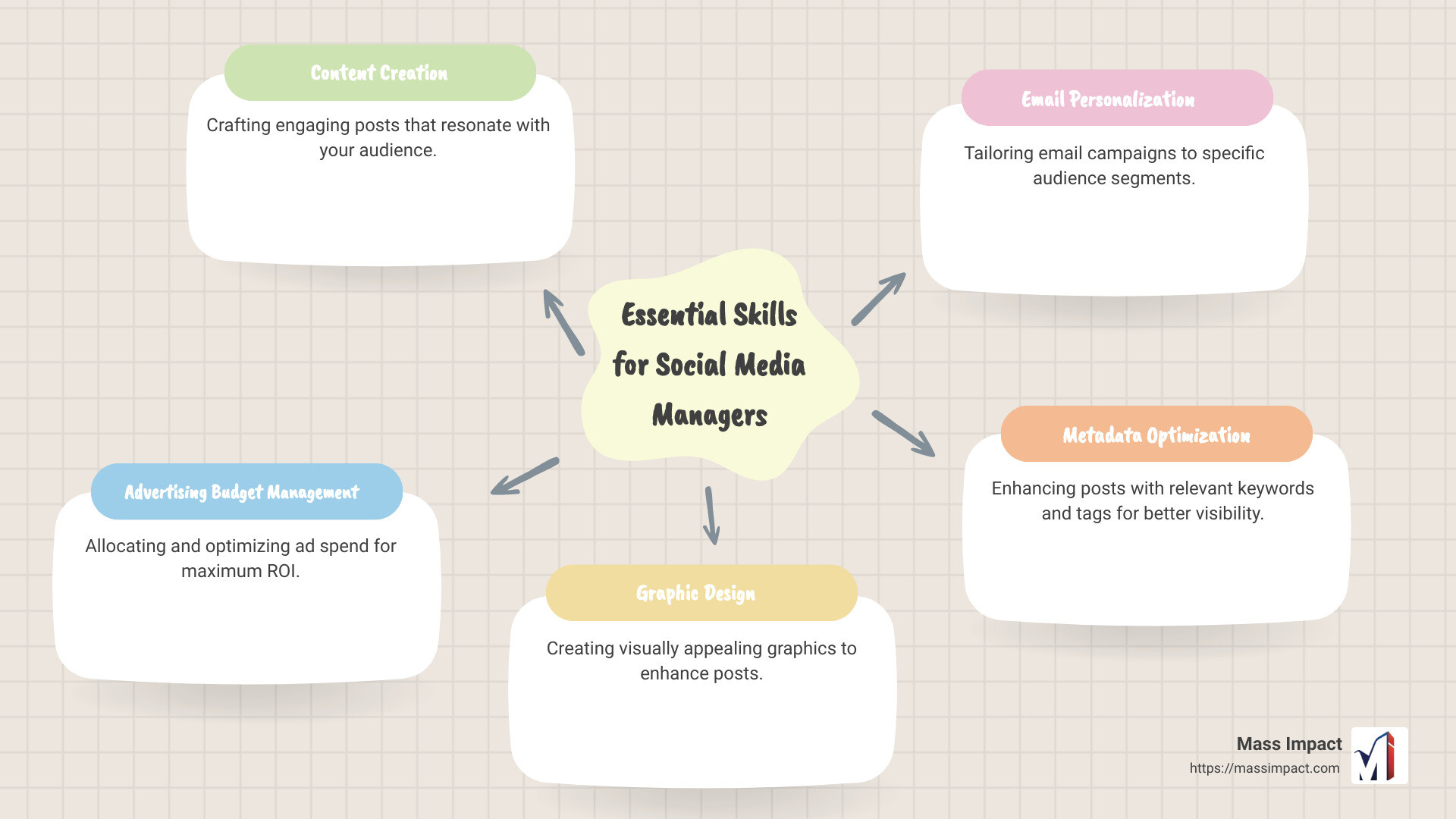
- Content Creation Skills: Learn to craft posts that resonate with your audience. Understand how to establish a brand voice and tone, which is crucial for a recognizable online presence.
- Management Skills: Gain the ability to set up and maintain a content calendar, manage and moderate posts, and respond to customer inquiries efficiently.
- Data Analysis: Learn to analyze data to measure the performance of your social media efforts. Understanding metrics will help you make data-driven decisions to improve your campaigns.
- Post Effectiveness: Find how to increase the effectiveness of your posts through iteration and optimization based on real-world data.
- Writing: Improve your writing skills to create compelling and engaging content.
- Research: Develop the ability to research trends, competitors, and audience preferences to stay ahead in the market.
- Customer Service: Learn how to engage with your audience and manage your online community, including moderating comments and responding to inquiries.
- SEO Knowledge: Understand the basics of SEO to ensure your social media content is findable and drives traffic to your website.
- Creativity: Improve your creativity to produce unique and captivating content that stands out.
- Design: Basic graphic design skills can help you create visually appealing posts. Tools like Canva or Adobe Spark can be useful.
Course Structure and Modules
A typical social media management course is structured into several modules, each focusing on different aspects of social media management:
- Content Calendar: Learn to create and manage a content calendar to plan and schedule your posts effectively. This helps in maintaining consistency and ensuring timely updates.
- Managing Posts: Understand how to manage and moderate your posts across different platforms. This includes scheduling posts, monitoring engagement, and responding to comments and messages.
- Analyzing Data: Dive into data analysis to measure the success of your social media efforts. Learn about key metrics like engagement rates, reach, impressions, and conversions.
- Increasing Post Effectiveness: Find strategies to improve the effectiveness of your posts. This involves A/B testing, analyzing performance data, and making necessary adjustments to improve engagement.
By mastering these skills and understanding the course structure, you’ll be well-prepared to manage and grow a brand’s social media presence effectively.
How to Get Started in Social Media Management
Recommended Educational Background
To get started in social media management, having a solid educational foundation is crucial. Most social media managers hold at least a bachelor’s degr