

How to Start a Digital Marketing Agency from Scratch: Top Tips 2024
How to start a digital marketing agency from scratch can feel overwhelming, but with the right steps, it’s absolutely doable. Here’s a quick guide to get you started:
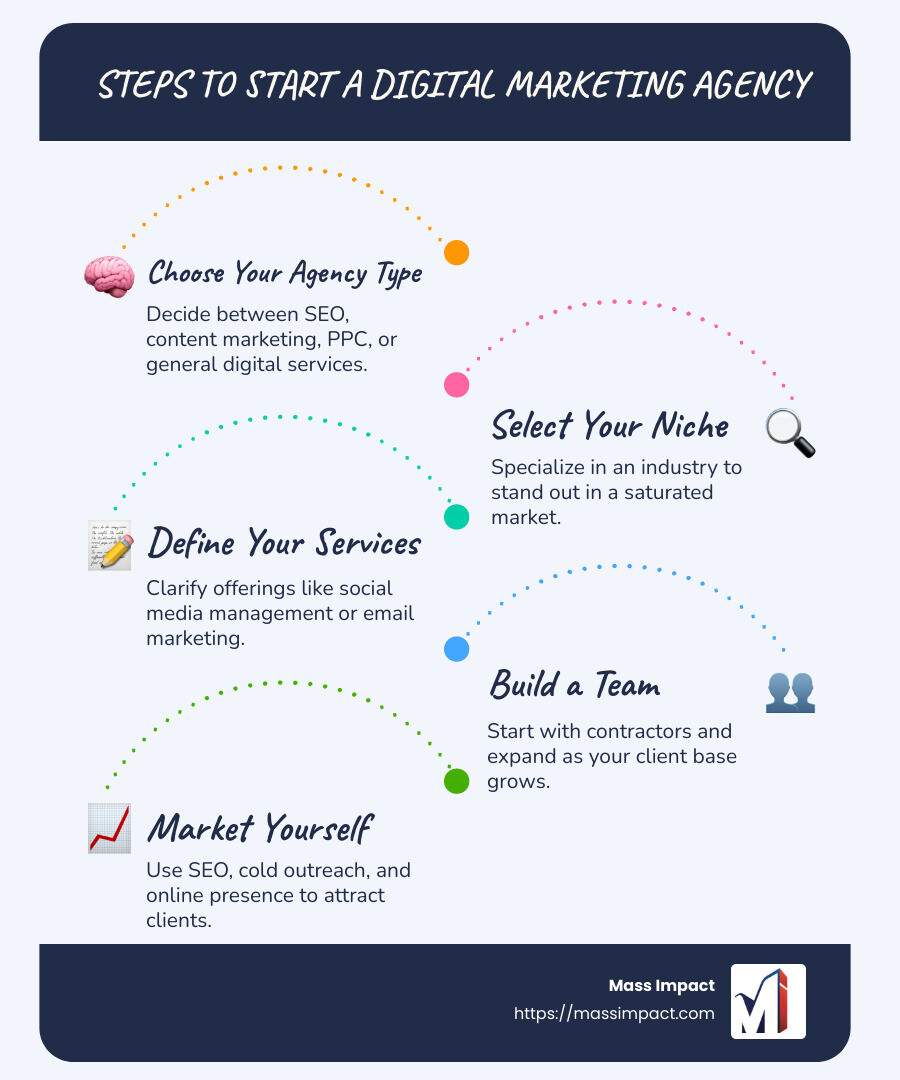
- Choose Your Agency Type: Decide whether you want to focus on SEO, content marketing, PPC, or general digital services.
- Select Your Niche: Specialize in an industry you’re passionate about to stand out in a saturated market.
- Define Your Services: Clearly outline what you will offer, whether it’s social media management, email marketing, or more.
- Build a Team: Start with contractors to handle tasks, then expand as your client base grows.
- Market Yourself: Use SEO, cold outreach, and a strong online presence to attract clients.
The world of digital marketing is vast, constantly evolving, and full of opportunities. Today, more businesses than ever need assistance navigating this digital terrain. Think of Anne Bertelsen’s words: “Success depends on your experiences, skills, and contacts.” Whether you have experience or not, the ambition to forge your own path in digital marketing is a step toward a promising business venture.
I’m Haiko de Poel Jr. With experience in digital innovation, I guide startups and established companies in carving out their niche. If you’re looking into how to start a digital marketing agency from scratch, I’ve been there and done that, leading companies through transformative digital landscapes.
How to start a digital marketing agency from scratch terms at a glance:
– how to start a digital marketing agency with no experience
– what do digital marketing agencies do
– what services do digital marketing agencies offer
Understanding the Digital Marketing Landscape
Starting a digital marketing agency from scratch requires a solid understanding of the digital marketing landscape. This world is dynamic, with trends that shift as technology and consumer behavior evolve. Let’s break it down into key components: digital marketing, market research, and industry trends.
Digital Marketing: The Core
Digital marketing is the use of online platforms to promote products or services. It encompasses various strategies like SEO, social media marketing, email campaigns, and paid advertising. Each of these channels has its own set of tools and best practices.
For example, SEO (Search Engine Optimization) is about optimizing your website to rank higher in search engine results. This helps attract organic traffic. Social media marketing, on the other hand, involves engaging with audiences on platforms like Facebook and Instagram to build brand awareness and loyalty.
Market Research: Your Foundation
Conducting thorough market research is crucial before diving into the digital marketing world. It helps you understand your target audience, their needs, and how they interact with digital content. This knowledge allows you to tailor your services to meet specific demands.
Market research can also reveal gaps in the market that your agency can fill. Use tools like surveys, focus groups, and competitor analysis to gather valuable insights. As highlighted in the research, understanding your market helps differentiate your agency and develop unique selling points.
Industry Trends: Stay Ahead
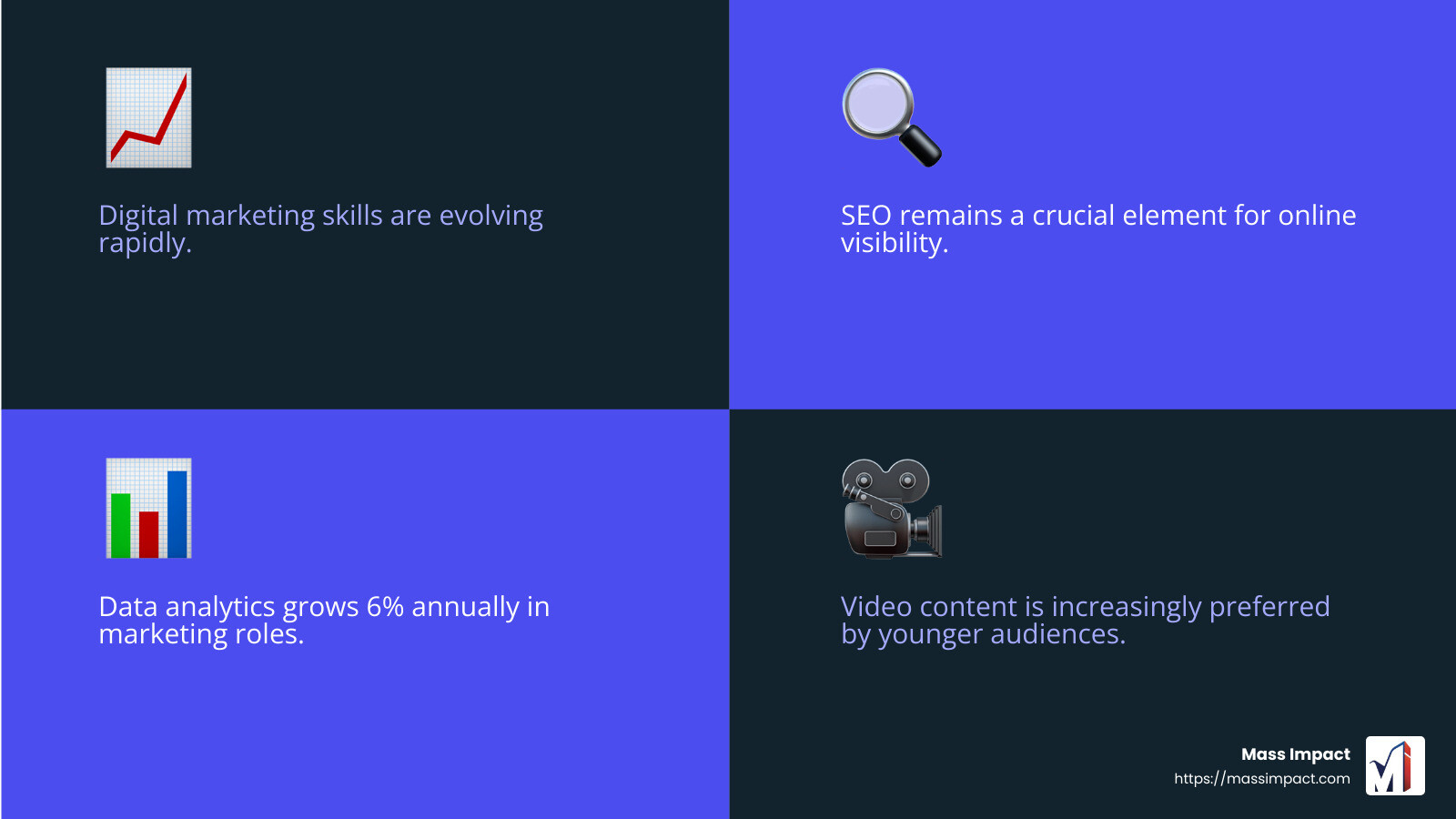
Keeping up with industry trends is vital for any digital marketing agency. Trends can dictate which platforms and strategies are most effective. For example, the rise of video content has made platforms like TikTok and YouTube essential for reaching younger demographics.
Another trend is the increasing importance of data analytics. Agencies that can effectively analyze and leverage data to optimize campaigns are in high demand. According to a report from Coursera, skills in market analysis are growing by 6% annually in marketing roles.
Being aware of these trends allows your agency to remain competitive and offer cutting-edge services. This adaptability is key to thriving in the digital marketing landscape.
Understanding these elements will set a strong foundation for your digital marketing agency. As you move forward, keep these insights in mind to steer the digital terrain effectively. Next, we’ll dive into how to choose the right niche for your agency.
How to Start a Digital Marketing Agency from Scratch
Starting a digital marketing agency from scratch can be an exciting journey, but it all begins with choosing your niche. This decision will guide your service offerings and pricing models, so it’s important to get it right.
Choosing Your Niche
Specialization is Key
In the crowded digital marketing landscape, specialization can set your agency apart. Consider what you’re passionate about and where your expertise lies. Do you have a knack for SEO, or perhaps a flair for social media marketing? Focusing on a specific area allows you to become an expert, which can be a significant selling point for potential clients.
Understanding Market Demand
Before settling on a niche, assess the market demand. Research who else is offering similar services and how they are delivering them. For example, if you’re considering a niche in email marketing, identify the industries that heavily rely on email campaigns.
Ask yourself:
– How many potential clients are there in this niche?
– What are they willing to pay for these services?
– Can you offer something unique that others don’t?
Defining Your Services
Once you’ve chosen your niche, it’s time to define your service offerings. This could include:
- SEO (Search Engine Optimization): Optimize websites to improve visibility on search engines.
- PPC (Pay-Per-Click) Advertising: Manage paid ad campaigns on platforms like Google and social media.
- Social Media Marketing: Create and manage content on platforms like Instagram, Facebook, and LinkedIn.
- Email Marketing: Develop strategies for email campaigns that engage and convert.
Each service requires a different skill set, so consider what you can deliver effectively. You might start with one or two services and expand as your agency grows.
Setting Your Pricing Model
Choosing the right pricing model is crucial for your agency’s success. Here are three common models to consider:
-
Hourly Rate: Charge clients based on the time spent on their projects. This is transparent but might limit your earnings if you work quickly.
-
Project-Based Pricing: Set a fixed price for each project. This works well for projects with clear goals and timelines. It’s important to define the scope to avoid scope creep.
-
Retainer-Based Pricing: Clients pay a recurring fee for ongoing services. This model provides steady income and is ideal for services like SEO or social media management.
When setting prices, consider:
– Your overhead costs
– The value your services provide to clients
– The competitive landscape in your niche
Tip: Always have a minimum price in mind to cover your costs and ensure profitability.
By carefully selecting your niche, defining your services, and setting a strategic pricing model, you’ll establish a strong foundation for your digital marketing agency. Next, we’ll explore how to build your team and infrastructure to support your growing business.
Building Your Team and Infrastructure
Starting a digital marketing agency from scratch is like building a house. You need a solid foundation, and that begins with building your team and infrastructure. Let’s explore the key roles you’ll need to fill and the tools that will help your agency thrive.
Key Roles to Fill
To deliver top-notch services, you’ll need a team of skilled professionals. Here are the essential roles:
SEO Specialist
An SEO specialist ensures your clients’ websites rank high on search engines. They focus on keyword optimization, link building, and technical SEO. Hiring someone with a proven track record in improving search rankings can be a game-changer for your agency.
Content Writer
A talented content writer creates compelling and engaging content that attracts and retains clients. They craft blog posts, articles, and social media updates that resonate with target audiences. Look for writers with a knack for storytelling and a deep understanding of SEO.
Social Media Manager
Social media managers are the voice of your clients on platforms like Instagram, Facebook, and LinkedIn. They create strategies, schedule posts, and engage with followers. A great social media manager knows how to analyze metrics and tweak campaigns for better results.
Remote Work and Hiring Contractors
Remote work offers flexibility and access to a global talent pool. Start by hiring contractors on platforms like Upwork or Fiverr. This approach keeps costs low and allows you to test the waters before committing to full-time hires.
Tips for Hiring:
- Hire for Your Weak Spots: If you’re not strong in a particular area, hire someone who is.
- Cultural Fit: Look for team members who share your values and vision. This fosters a cohesive work environment.
- Start Small: Begin with a few contractors and expand as your agency grows.
Tools and Technology
Equipping your team with the right tools is crucial for efficiency and success. Here are some must-have platforms and software:
Digital Platforms
- Google Analytics: Track website performance and understand visitor behavior.
- Semrush: An all-in-one tool for SEO, PPC, and competitive analysis.
- Zapier: Automate workflows and integrate multiple apps seamlessly.
Project Management Tools
Managing projects and tasks efficiently is key to delivering quality services on time. Consider these tools:
- Asana: Organize tasks, set deadlines, and collaborate with your team.
- Trello: Use boards and cards to visualize project progress.
- Basecamp: A comprehensive tool for team communication and project tracking.
Workflow Automation
Automation tools can save time and reduce repetitive tasks. Implement solutions like:
- Loom: Record quick video messages for team updates or client communications.
- Hunter.io: Find and manage potential client contacts for outreach.
By assembling a capable team and utilizing the right tools, you’ll lay the groundwork for a successful digital marketing agency. With these elements in place, you’ll be ready to market and grow your agency effectively.
Marketing and Growing Your Agency
Leveraging SEO for Growth
SEO is a powerhouse for growing your digital marketing agency. It helps you attract organic traff