

Why Pursue a Social Media Manager Career?
If you’re wondering how to become a social media manager course, then let me provide a quick overview:
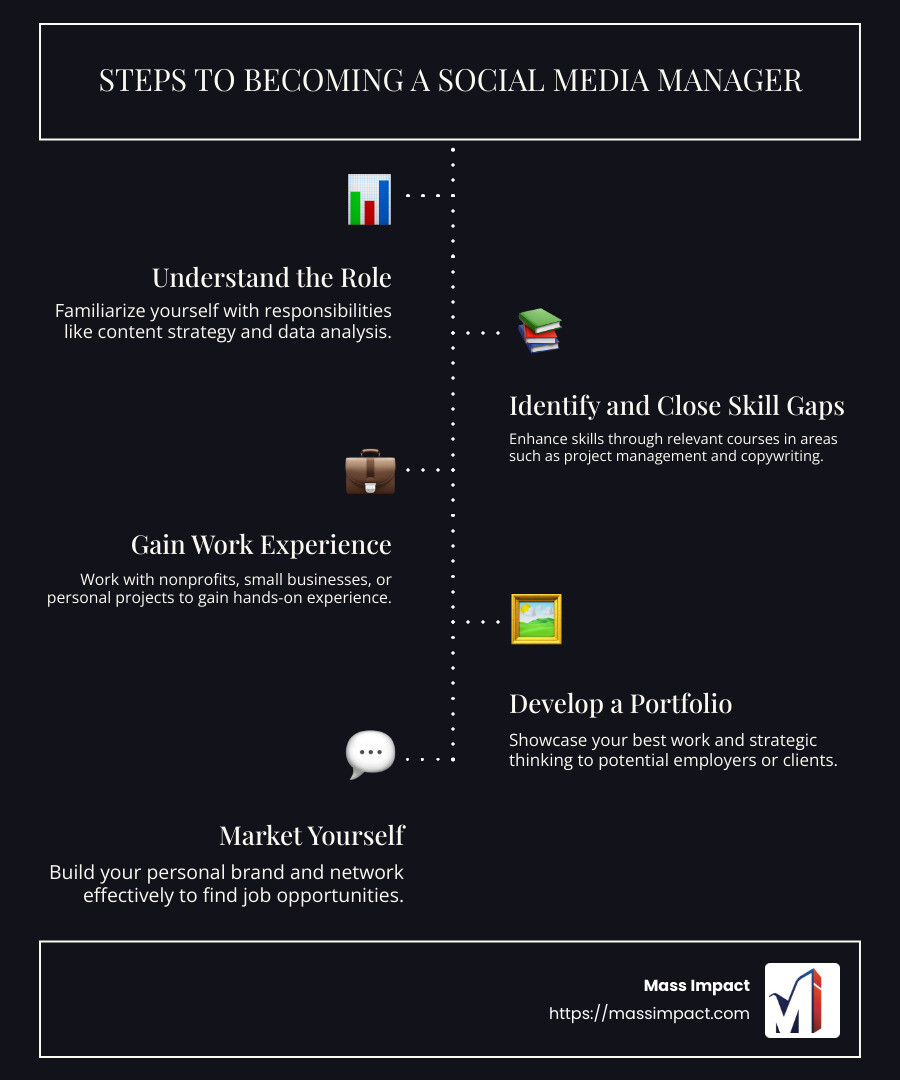
- Understand the role: Know what a social media manager does, including content strategy and data analysis.
- Skill gaps: Identify and close any skill gaps through relevant courses.
- Gain experience: Work with nonprofits, small businesses, or personal projects.
- Develop a portfolio: Showcase your best work and strategic thinking.
- Market yourself: Craft your personal brand and network to find job opportunities.
Becoming a social media manager means diving into a role that fuses creativity and analytics. It’s a career where storytelling, design, and data analysis intersect—bringing a brand’s story to life across various social platforms. Social media managers are essential in driving engagement and shaping a brand’s online presence. Given social media’s importance across industries, from corporations to non-profits, career opportunities are plentiful and diverse.
My name is Haiko de Poel Jr. With a background in branding and content strategy, I’ve guided startups and established businesses through the complexities of digital marketing, including how to become a social media manager course.
How to become a social media manager course vocabulary:
– free marketing certifications
– social media marketing career
– social media training
Step 1: Close Skill Gaps
Relevant Courses and Certifications
To become a successful social media manager, you need a mix of hard and soft skills. Here are some essential areas to focus on:
Project Management and Organization: Social media managers juggle multiple campaigns, posts, and deadlines. Courses in project management can help you learn to prioritize tasks and manage time effectively.
Communication and Copywriting: Clear, engaging communication is key. Strong copywriting skills will allow you to craft compelling messages that resonate with your audience. Look for courses that focus on marketing communication and creative writing.
Adaptability and Teamwork: The social media landscape changes rapidly. Being adaptable and able to work well with a team is crucial. Courses that include group projects or real-time case studies can help you develop these skills.
Digital Marketing Boot Camps: These intensive programs, often led by industry experts, cover a wide range of topics from SEO to social media strategy. They are designed to equip you with practical skills quickly. Many boot camps offer flexible schedules and can be completed in a few weeks or months.
Bachelor’s Degree Programs: A degree in marketing, public relations, or communications provides a solid foundation. These programs often include courses on consumer behavior, digital marketing, and brand management.
edX Courses: Platforms like edX offer a variety of online courses custom to social media management. You can learn at your own pace and earn certifications that add credibility to your resume. Courses cover everything from basic social media strategies to advanced analytics.

By focusing on these areas and leveraging the right educational resources, you can close skill gaps and position yourself as a skilled social media manager.
Step 2: Understand Social Media Platforms and Marketing Analytics
To excel as a social media manager, you need to master the key platforms and tools that drive successful social media campaigns. Let’s break down the essentials.
Key Platforms to Master
Facebook: With over 2.8 billion monthly active users, Facebook is a must-know platform. It offers targeted ads, pages for businesses, and live video streaming.
Instagram: Ideal for visually-driven industries like fashion and travel, Instagram focuses on photos and videos. Features like Stories, Reels, and IGTV offer various ways to engage audiences.
LinkedIn: Perfect for B2B marketing and networking, LinkedIn is where professionals connect. Share industry-specific articles, join groups, and network with potential clients.
Twitter: Known for real-time conversations, Twitter is great for sharing updates and participating in trending topics. Short, snappy messages called tweets help businesses stay relevant.
YouTube: As the largest video-sharing platform, YouTube is essential for video content. Create tutorials, product demos, and vlogs to reach a wider audience.
Pinterest: A visual findy engine, Pinterest is excellent for driving traffic to websites. It’s particularly effective for lifestyle, DIY, and retail brands.
Essential Tools and Skills
Social Listening and Analytics: Understanding what your audience is saying about your brand and competitors is crucial. Tools like Hootsuite and Sprout Social help track conversations and measure engagement.
Scheduling and Publishing: Consistency is key in social media. Use tools like Buffer and Later to schedule posts and ensure a steady flow of content.
Google AdWords: Learn to steer Google Display, Search, Video, Shopping, and Apps ads. Google Ads certifications can improve your credibility.
WordPress: Many businesses use WordPress for their websites. Familiarity with this platform helps in creating and managing content.
Facebook Ads: Facebook offers extensive tools for advertising. Understanding how to create and manage ads will boost your campaigns.
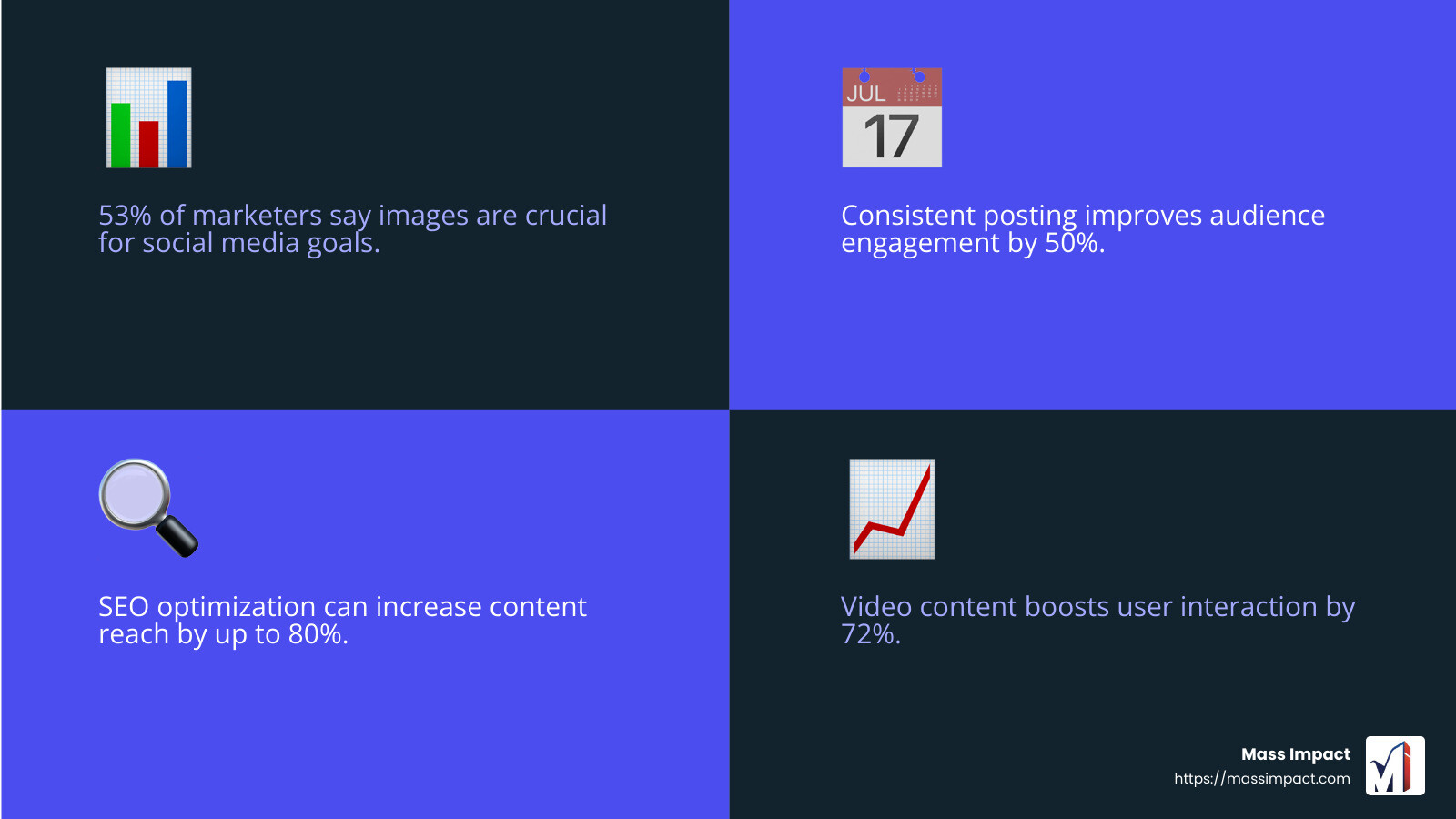
SEO: Search Engine Optimization (SEO) helps your content get found. Courses on SEO can teach you how to optimize posts for better visibility.
Graphic Design: Good design makes your content more engaging. Tools like Canva and courses from LinkedIn Learning can teach you the basics of design, including color, fonts, and composition.
Video Content: Platforms like TikTok and YouTube are leading the trend in video content. Mastering video creation and editing is essential.
By mastering these platforms and tools, you’ll be well-equipped to manage and grow a brand’s social media presence. Next, we’ll explore how to gain relevant work experience to further develop your skills.
Step 3: Gain Relevant Work Experience
Building a Personal Brand
To become a successful social media manager, hands-on experience is crucial. Here’s how you can build it:
Internships: Start with internships to gain real-world experience. Interning at a marketing agency or a company’s social media department allows you to learn from professionals. You’ll get to handle actual projects, which is invaluable.
Freelancing: Freelancing is another great way to build experience. Offer your services to small businesses or startups. You’ll have the freedom to experiment with different strategies and platforms. Plus, it’s a great way to build your portfolio.
Small Businesses and Nonprofits: Volunteering your skills to local businesses or nonprofits can also be rewarding. These organizations often need help with their social media but can’t afford to hire professionals. You can make a big impact and gain experience at the same time.
Personal Branding: Don’t underestimate the power of your own social media presence. Building your personal brand shows potential employers that you know how to engage an audience. Here are some tips:
-
Strategic Posting: Post content that aligns with your career goals. Share industry news, insights, and your own projects. This shows that you’re knowledgeable and passionate about your field.
-
Consistent Content: Consistency is key. Regular posting keeps your audience engaged. Develop a content calendar to plan your posts in advance.
-
Growing Your Following: Engage with your audience. Respond to comments, participate in discussions, and follow industry leaders. Building a loyal following takes time, but it’s worth it.
By gaining relevant work experience and building a strong personal brand, you’ll be well on your way to becoming a sought-after social media manager. Next, let’s look at how to develop a portfolio that showcases your skills and achievements.
Step 4: Develop a Portfolio
Structuring Your Portfolio
Creating a portfolio that truly showcases your skills as a social media manager is essential. Here’s how to structure it effectively:
Introduce Yourself
Start with a brief introduction. Include a professional photo and a short bio that highlights your experience and personal interests. This helps potential clients or employers get to know you.
Best Content Showcase
Select three or four of your best projects. These should highlight your ability to create engaging content across different platforms. Use visuals like screenshots or videos to make these projects stand out. Explain why you chose each piece and what makes it special.
Bring in Analytics
Analytics are crucial. For each project, include metrics that show how your content performed. Did a campaign increase engagement or drive more traffic to a website? Even if some projects didn’t perform as expected, explain what you learned and how you adapted. This shows your analytical thinking and problem-solving skills.
Outline Your Strategic Approach
Detail your strategic approach for each project. Explain how you came up with the idea, the steps you took to execute it, and how you measured its success. Highlight any collaboration with team members or clients. This demonstrates your ability to work well with others and lead projects.
Include Client Testimonials
Client testimonials add credibility. Ask for feedback from clients you’ve worked with, whether through internships, freelance gigs, or volunteer work. Positive testimonials can speak volumes about your ability to meet client needs and deliver results.
List Your Strengths and Services
Clearly outline the services you offer and your key strengths. Are you great at creating viral content? Do you excel in analytics? This section should reinforce the skills and expertise showcased in your projects.
Contact Information and Thank You
End with your contact information. Make it easy for potential clients or employers to reach you. Include your email, phone number, and links to your professional social media profiles. Add a brief thank you note to express your appreciation for their time.
By following this structure, your portfolio will effectively demonstrate your skills, strategic thinking, and ability to deliver results. Next, let’s explore how to market yourself to potential clients.
Step 5: Market Yourself to Potential Clients
Tailoring Your Portfolio and CV
Personal Brand
Your personal brand is your unique selling point. It’s the story you tell about yourself through your online presence. Make sure your social media profiles reflect your prof