
Introduction
In the bustling world of online sales, Shopify stands out as a beacon for business owners navigating the choppy waters of e-commerce. At its core, Shopify is a cloud-based platform designed to turn the dream of running an online store into a straightforward reality. Whether you’re dipping your toes into digital sales or scaling to meet the demands of a global audience, Shopify caters to a spectrum from small businesses to enterprise-level operations with its range of solutions, including Shopify Plus.
For someone looking to understand how Shopify works without diving deep into technical jargon, here’s a quick snapshot:
– Shopify is a cloud-based, all-in-one e-commerce platform.
– It operates on a Software as a Service (SaaS) model, requiring a monthly subscription.
– Users gain access to an admin panel to set up and customize both the front-end and back-end of their online store.
This simplicity and all-inclusiveness make Shopify a particularly appealing choice for business owners who are short on time and technical expertise but are ambitious about making a mark in their respective markets.
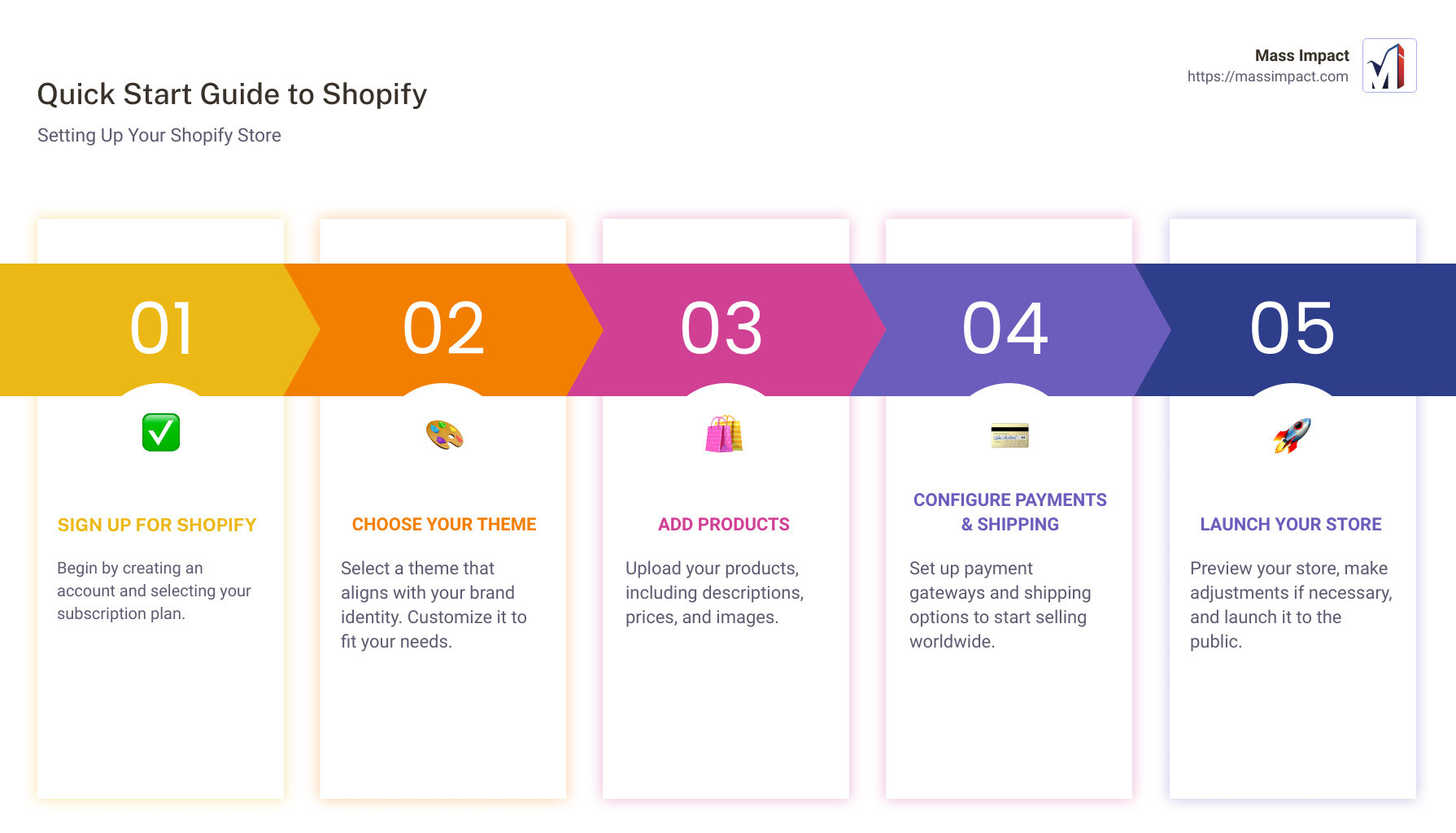
To encapsulate the essence of navigating Shopify functions:
What is Shopify?
At its core, Shopify is a cloud-based platform designed to provide a comprehensive eCommerce solution for businesses of all sizes. It operates on a Software as a Service (SaaS) model, which means users subscribe on a monthly basis to use the platform’s wide array of features. This approach allows businesses, especially small to medium-sized enterprises (SMEs), to set up and manage their online stores with ease and efficiency.
Cloud-Based Platform
Shopify’s cloud-based nature signifies that store owners can access their admin panel from anywhere, at any time, as long as they have an internet connection. This flexibility is crucial for modern entrepreneurs who need to be agile and responsive to their business needs.
Software as a Service (SaaS)
As a SaaS platform, Shopify takes away the headaches of server maintenance, security updates, and software upgrades from the users. For a monthly subscription fee, Shopify ensures your online store is always running on the latest technology, secure from threats, and loaded with the latest features.
Small Businesses
Shopify has become a go-to solution for small businesses looking to make their mark in the eCommerce space. Its user-friendly interface, affordable pricing plans, and extensive support resources make it accessible for entrepreneurs who might not have extensive technical knowledge.
Shopify Plus and Enterprise Solutions
For larger businesses with more complex needs, Shopify Plus offers a more robust solution. This enterprise-level offering provides advanced features such as higher customization capabilities, dedicated support, and scalability options to handle high volumes of traffic and sales. Shopify Plus is tailored to cater to the needs of big brands and fast-growing companies, providing them with the tools to expand and innovate.
Conclusion
Whether you’re a budding entrepreneur or a seasoned business looking to expand online, Shopify offers a scalable, secure, and user-friendly platform that grows with your business. From its humble beginnings catering to small businesses, Shopify has evolved to offer enterprise solutions, making it a versatile choice for any business aiming to thrive in the digital marketplace.
In the next section, we’ll dive deeper into how does Shopify work, exploring the nuts and bolts of setting up your Shopify store, from choosing the right plan to customizing your storefront and managing payments and shipping.
Understanding the mechanics of Shopify is essential for leveraging its full potential, whether you’re just starting out or aiming to scale your operations. Stay tuned as we unpack the process of setting up your Shopify store step by step.
How Does Shopify Work?
Diving into Shopify might seem daunting at first, but it’s actually quite straightforward once you understand its core structure. Shopify functions as a Software as a Service (SaaS) platform. This means it’s cloud-based and accessible over the internet without requiring any physical installations on your computer. Here’s a breakdown of how Shopify simplifies the e-commerce process:
Software as a Service (SaaS):
Shopify is a prime example of SaaS, providing a comprehensive e-commerce solution over the internet. This approach eliminates the need for dealing with physical software, making Shopify accessible from anywhere with internet access.
Monthly Subscription:
Shopify operates on a monthly subscription model. This means for a recurring fee, you get access to the platform and all its features. The subscription model is tiered, offering different levels of features for businesses of varying sizes, from small startups to large enterprises.
Admin Panel:
The heart of your Shopify store is the admin panel. It’s here that you manage everything from product listings to orders and customer data. The panel is designed to be user-friendly, ensuring even those new to e-commerce can navigate their way around with ease.
Online Store Setup:
Setting up your online store on Shopify is a smooth process. After signing up, you’re guided through a series of steps to get your store live. This includes choosing a domain name, selecting a theme, and adding your products.
Front-end Customization:
Shopify shines in offering a wide range of customization options for the look and feel of your store. Whether you opt for a free theme or purchase a premium one, you have the liberty to tweak the design to match your brand’s aesthetic. This includes changing colors, fonts, and the layout of your pages without needing to know a single line of code.
Back-end Management:
On the flip side, Shopify’s back-end management capabilities are equally robust. From processing orders to managing inventory and customer relationships, the platform has got you covered. You also gain access to detailed analytics to help make informed decisions about your store’s performance.
Shopify streamlines the process of launching and managing an online store by providing all the tools you need under one roof. It’s designed to be accessible for beginners while providing enough depth to satisfy the needs of more experienced users. With Shopify, the focus is on selling your products, not on the technicalities of setting up and managing an e-commerce website.
Understanding how does Shopify work is crucial for anyone looking to enter the e-commerce space. By leveraging Shopify’s SaaS model, users can focus on what truly matters – growing their business.

As we progress, keep in mind that the flexibility and ease of use offered by Shopify make it a powerful tool for entrepreneurs and businesses looking to establish or expand their online presence. Let’s move on to how you can set up your Shopify store effectively, from choosing
the right plan to expanding your sales channels.
Choosing the Right Plan
When starting with Shopify, one of the first decisions you’ll need to make is which plan fits your business needs. Shopify offers several plans:
- Basic Shopify is great for startups and small businesses just beginning their e-commerce journey.
- The Shopify plan is ideal for growing businesses looking to scale.
- Advanced Shopify is designed for larger businesses that require advanced reporting and lower credit card rates.
- Shopify Plus caters to enterprise-level businesses with high volumes and needs for more extensive customization and support.
Each plan comes with its own set of features and pricing, so evaluate what your business needs are now and what they might be in the future.
Selecting Products to Sell
Choosing the right products is crucial for the success of your e-commerce store. With Shopify, you have several options for sourcing products:
- Oberlo allows you to dropship products directly to your customers without holding inventory.
- Handshake wholesale is a marketplace where you can find unique products to sell from vetted wholesalers.
Selecting products isn’t just about what you think will sell but also about finding items that align with your brand and your customers’ needs.
Customizing Your Store
Shopify offers a wide range of free and paid themes to help you design your store. These themes are mobile-responsive, ensuring your store looks great on any device. Here are a few tips for customizing your store:
- Choose a theme that aligns with your brand’s aesthetic and values.
- Utilize theme customization options to tailor the look and feel of your store.
- First impressions count, so invest time in making your store visually appealing.
Managing Payments and Shipping
Shopify simplifies the complex processes of managing payments and shipping:
- Shopify Payments allows you to accept payments easily with competitive rates.
- For those who prefer, third-party payment providers are also supported, though additional fees may apply.
- Shipping options can be customized to suit your business model, whether you’re shipping worldwide or just locally. Shopify’s partnership with leading carriers through Shopify Shipping ensures you get discounted rates and a seamless shipping process.
Expanding Sales with Shopify
Taking your store beyond the Shopify platform can significantly increase your sales. Shopify supports various sales channels, including:
- Social media integration with platforms like Facebook and Instagram.
- Marketplace connections with Amazon and eBay.
- Shopify POS for selling in-person at retail locations or pop-up shops.
- Omnichannel selling ensures a cohesive customer experience across all platforms.
By leveraging these tools and strategies, you can create a robust online presence that attracts customers from various channels.
In summary, setting up your Shopify store involves careful planning and execution in choosing the right plan, selecting products, customizing your store, managing payments and shipping, and expanding your sales channels. Each step is crucial in building a successful e-commerce business that meets the needs of your customers and stands out in the competitive online marketplace.
For a deeper dive into setting up your Shopify store, visit How does Shopify work?.
As you embark on this journey, keep in mind the importance of staying flexible and responsive to market trends and customer feedback. Your Shopify store is a dynamic entity that will grow and evolve with your business. Happy selling!
Let’s move on to the frequently asked questions about Shopify to clear any doubts and provide further insights into making the most of this powerful e-commerce platform.
Frequently Asked Questions about Shopify
Can You Really Make Money on Shopify?
Yes, making money on Shopify is entirely possible. Many entrepreneurs and businesses have found success selling products and services through their Shopify stores. However, like any business venture, the amount you make depends on several factors including the demand for your products, your marketing strategy, and how well you manage your store’s operations.
The average income for Shopify store owners varies widely. Some store operators make a few hundred dollars a month, while others rake in thousands or even millions annually. Success on Shopify doesn’t happen overnight. It requires dedication, market research, and a solid understanding of your target audience.
How Much Does Shopify Take Per Sale?
Shopify charges transaction fees and payment processing fees. These fees depend on the Shopify plan you choose. If you use Shopify Payments, the platform’s integrated payment processor, you can avoid additional transaction fees. Otherwise, transaction fees can range from 0.5% to 2% per sale, depending on your plan.
For online credit card rates, the fees range from 2.4% + 30¢ for the Advanced Shopify plan to 2.9% + 30¢ for the Basic Shopify plan. It’s crucial to factor in these costs when calculating your profit margins.
Is Shopify Worth It for Beginners?
Shopify stands out for its user-friendly platform, making it an excellent choice for beginners. You don’t need technical skills to set up and run a Shopify store. The platform provides a wide range of themes and tools that allow you to customize your store, manage inventory, process payments, and handle shipping without needing to code.
Moreover, Shopify’s vast array of integrations and apps can help expand your store’s functionality as your business grows. Whether you’re selling a handful of products or thousands, Shopify scales with your business.
In conclusion, Shopify offers a comprehensive, easy-to-use platform for individuals and businesses of all sizes. Whether you’re a beginner looking to make your first sale online or an established business aiming to expand your sales channels, Shopify provides the tools and flexibility needed to succeed in the e-commerce space.
As we’ve seen, the potential to make money on Shopify is significant, but it’s not without its costs. Understanding and managing these costs is key to maximizing your profits. With its user-friendly interface and wide range of functionalities, Shopify remains a strong contender for anyone looking to enter the e-commerce world, regardless of their technical expertise.
Let’s dive deeper into how you can set up your Shopify store for success, focusing on selecting the right products and optimizing your store for sales.
Conclusion
In wrapping up our journey through the Shopify ecosystem, we’ve dissected the platform’s robust functionalities and how it stands as a beacon for entrepreneurs and businesses aiming to carve out their niche in the digital marketplace. From its user-friendly interface to its comprehensive suite of tools, Shopify simplifies the e-commerce process, allowing you to focus on what truly matters—growing your business.
Shopify functions as more than just an e-commerce platform; it’s a partner in your entrepreneurial journey. Whether you’re a budding business or an established brand, Shopify scales with you, ensuring your online presence is strong, secure, and successful. Its versatility in managing payments, shipping, and sales across various channels empowers merchants to reach their customers wherever they are, seamlessly integrating the physical and digital shopping experience.
At Mass Impact, we understand the importance of leveraging the right tools to amplify your online presence. Shopify’s blend of ease of use, comprehensive functionality, and scalability makes it an ideal choice for businesses looking to thrive in the competitive digital landscape. Whether you’re setting up your first store or looking to enhance your existing one, Shopify offers a solid foundation to build upon.
For those looking to dive deeper into how to make the most out of Shopify and truly understand “how does Shopify work,” we invite you to explore further with us. Our team at Mass Impact is dedicated to helping you navigate the complexities of e-commerce, ensuring your business not only grows but flourishes.
Let’s embark on this journey together, leveraging Shopify’s dynamic features to create an online store that resonates with your brand and connects with your customers. With the right strategy, tools, and support, the possibilities are endless. Start your Shopify success story with Mass Impact today.

In the changing world of e-commerce, staying ahead means constantly adapting and embracing the tools that empower you to reach new heights. Shopify is more than a platform; it’s a gateway to realizing your business dreams. And with Mass Impact by your side, those dreams are well within reach.