
Electronic Marketing: 5 Proven Ways to Succeed in 2025
Electronic marketing, often called online or digital marketing, is all about using the internet to promote your business. It’s a way to reach the people you’re aiming for, using tools like social media, email, and search engines. In simple terms, it’s how businesses talk to their audience in the digital world.
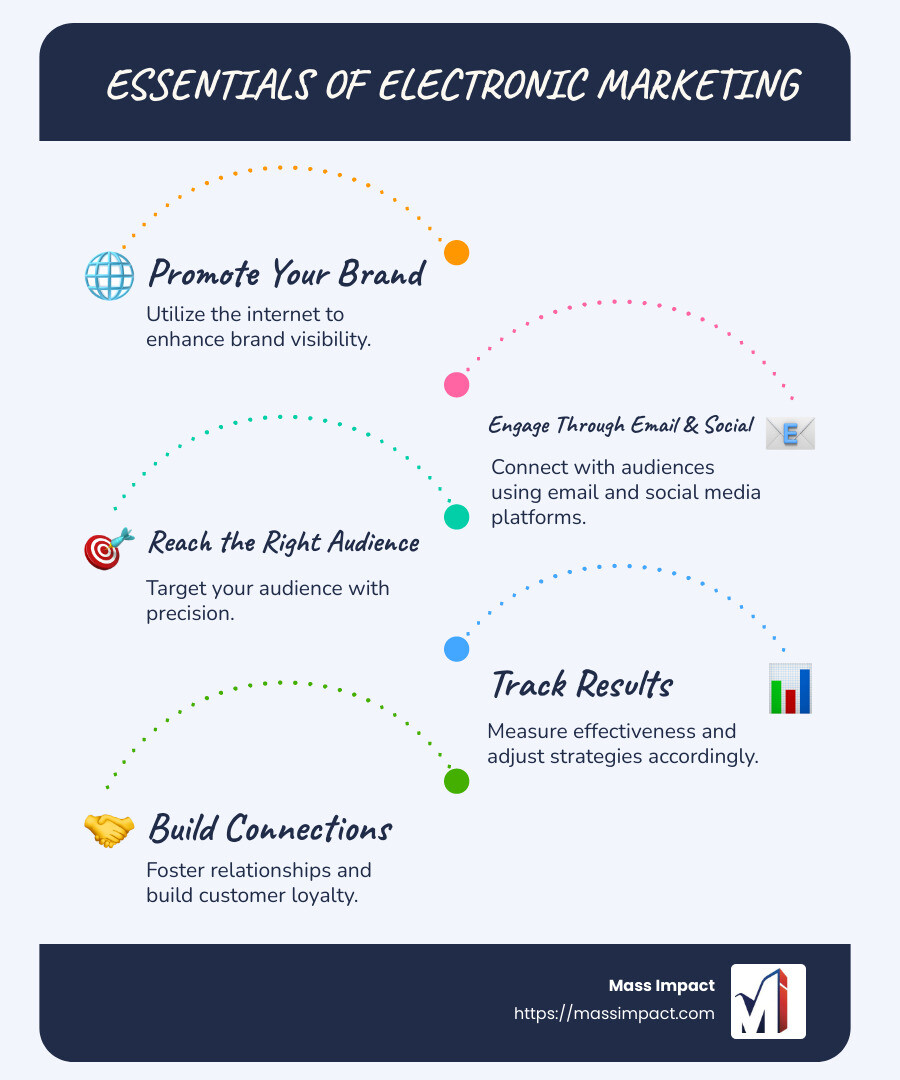
Here’s a quick rundown of electronic marketing essentials:
– Promotes your brand using the internet
– Engages through email, social media, and websites
– Reaches your audience at the right place and time
This effortless approach lets businesses connect with more prospects than traditional methods, like printed ads. It also helps track results better, making it easier to see what’s working.
My name is Haiko de Poel Jr, and I specialize in electronic marketing strategies. I guide companies through digital growth by blending creativity with strategic marketing. I’m here to help you pronounce your brand in today’s crowded digital space. Let’s explore how electronic marketing can transform your business in the upcoming sections.
Electronic marketing terms to learn:
– digital marketing campaign
– digital strategy
– seo strategy in digital marketing
Understanding Electronic Marketing
Electronic marketing is a powerful tool that leverages the internet to connect with your audience. It’s not just about sending emails or posting on social media. It’s about crafting a digital presence that speaks directly to your customers.
Internet Promotion
At the heart of electronic marketing is internet promotion. This involves using various online platforms to get your message out there. Think of it as your virtual billboard. But unlike traditional billboards, you can target specific audiences and track how well your message is being received.
-
Search Engine Optimization (SEO): This is how you make sure your website shows up when someone searches for products or services like yours. It’s about using the right words and providing useful content to climb up the search rankings.
-
Pay-Per-Click (PPC) Advertising: With PPC, you pay a fee each time someone clicks on your ad. It’s a way to buy visits to your site rather than earning them organically. Google Ads is a popular platform for this.
Digital Communication
Digital communication is how you engage with your audience online. It’s a two-way street where you can not only send messages but also receive feedback.
-
Email Marketing: This remains one of the most effective ways to reach your audience. By sending custom messages directly to your subscribers’ inboxes, you can build relationships and drive sales.
-
Social Media: Platforms like Facebook, Instagram, and TikTok are where people hang out online. By having a presence there, you can engage with your audience, share content, and build your brand’s personality.
Online Channels
Online channels are the various paths through which you can reach your audience. Each channel has its unique strengths and can be used to achieve different marketing goals.
-
Content Marketing: This involves creating valuable content like blog posts, videos, and infographics that attract and engage your audience. It’s about providing helpful information that builds trust and positions your brand as an authority.
-
Video Marketing: Platforms like YouTube offer a space to showcase your products in action. Video content is engaging and can help explain complex ideas simply and visually.

Electronic marketing is essential for any business looking to grow. By understanding and leveraging internet promotion, digital communication, and online channels, you can effectively reach and engage your audience. This approach not only broadens your reach but also allows for precise targeting and measurable results.
Next, we’ll dive into the key types of electronic marketing and how they can be strategically implemented to achieve your business goals.
Key Types of Electronic Marketing
In electronic marketing, there’s a toolbox filled with strategies to connect with your audience. Let’s explore some of the key types that can help you build a successful online presence.
Search Engine Optimization (SEO)
Think of SEO as the art and science of getting your website noticed by search engines. It’s about using the right keywords and creating valuable content to climb up the search rankings. Imagine your website as a book in a massive library. SEO ensures it’s in the right section for people to find.
- Keywords: These are the terms your audience is searching for. Using tools like Semrush can help you find them.
- Content: High-quality, relevant content is king. It attracts visitors and keeps them coming back.
- Backlinks: These are links from other sites to yours. They act like votes of confidence, boosting your site’s authority.
Social Media Marketing
Social media platforms like Facebook, Instagram, and TikTok are buzzing with activity. They’re places where you can engage directly with your audience, share your brand’s story, and build a community.
- Engagement: Respond to comments and messages to build relationships.
- Content Sharing: Share posts, images, and videos to keep your audience engaged.
- Ads: Use targeted ads to reach specific demographics and expand your reach.
Email Marketing
Despite the rise of social media, email marketing remains a powerhouse. It allows you to send personalized messages directly to your audience’s inbox.
- Newsletters: Keep your audience informed with regular updates.
- Promotional Emails: Announce special offers or new products.
- Segmentation: Tailor your messages by segmenting your audience based on their interests.
Pay-Per-Click (PPC) Advertising
PPC is a way to buy visits to your site. You pay a fee each time someone clicks on your ad. It’s a fast way to drive traffic and can be highly effective when combined with other strategies.
- Google Ads: A popular platform for creating PPC campaigns.
- Targeting: Aim your ads at specific keywords or demographics.
- Budget Control: Set a budget that works for you and adjust as needed.
Content Marketing
Content marketing is about creating valuable content that attracts and engages your audience. It’s not just about selling; it’s about providing value.
- Blog Posts: Share insights and information that interest your audience.
- Videos: Use platforms like YouTube to demonstrate your products.
- Infographics: Visual content can make complex information easy to digest.
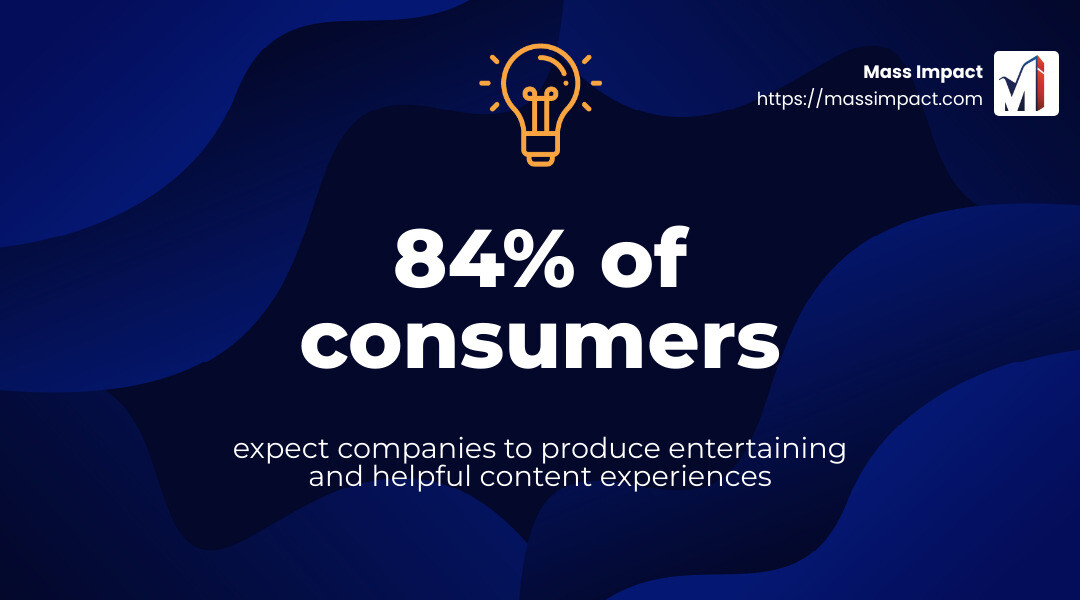
Each of these electronic marketing types offers unique benefits. By using a mix of these strategies, you can reach your audience in a way that resonates with them. Up next, we’ll explore the benefits of electronic marketing and how it can drive your business forward.
Benefits of Electronic Marketing
Electronic marketing offers a range of advantages that can propel your business to new heights. Let’s explore some key benefits that make it a powerful tool for any brand.
Broad Reach
One of the standout benefits of electronic marketing is its ability to reach a vast audience. Unlike traditional marketing methods, digital channels allow you to connect with people across the globe. Whether you’re sharing a social media post or sending an email, your message can travel far and wide.
- Global Audience: Connect with customers from different countries and cultures.
- 24/7 Availability: Your digital content is accessible around the clock, ensuring your audience can engage with your brand at any time.
Cost Efficiency
Marketing budgets can be tight, especially for small businesses. Electronic marketing offers cost-effective solutions that deliver impressive results without breaking the bank.
- Lower Costs: Digital ads and email campaigns are often cheaper than print or TV ads.
- High ROI: Email marketing, for example, can yield an average return of $38 for every $1 spent, according to the Direct Marketing Association.
Measurable Results
Tracking the success of your marketing efforts is crucial. With electronic marketing, you can easily measure performance and make data-driven decisions.
- Analytics Tools: Platforms like Google Analytics provide insights into website traffic and user behavior.
- Conversion Tracking: Monitor how many users complete desired actions, such as signing up for a newsletter or making a purchase.
Personalization
Personalization is key to standing out. Electronic marketing allows you to tailor your messages to individual preferences, enhancing user experience and boosting engagement.
- Segmented Campaigns: Divide your audience into segments based on demographics or behavior to deliver relevant content.
- Customized Emails: Personalize subject lines and content to resonate with each recipient, increasing open and click-through rates.
By leveraging these benefits, your business can create effective marketing strategies that resonate with your audience and drive growth.
Next, we’ll explore how to implement an effective electronic marketing strategy to maximize these advantages.
How to Implement an Effective Electronic Marketing Strategy
Creating a successful electronic marketing strategy might seem daunting, but breaking it down into manageable steps makes it easier. Let’s explore how you can set your business up for success by focusing on four key components: target audience, SMART goals, digital channels, and campaign analysis.
Know Your Target Audience
Understanding who you want to reach is the first step. Your target audience is the group of people who are most likely to be interested in your product or service. Knowing their age, interests, and online habits can help you tailor your marketing efforts to meet their needs.
- Create Personas: Develop detailed profiles of your ideal customers, including their demographics and preferences.
- Use Empathy Maps: Step into your audience’s shoes to understand their thoughts, feelings, and motivations.
Set SMART Goals
SMART goals are Specific, Measurable, Achievable, Relevant, and Timely. Setting these types of goals helps you focus your efforts and track progress.
- Specific: Clearly define what you want to achieve, like increasing website traffic by 20%.
- Measurable: Use metrics to track your progress, such as the number of new subscribers.
- Achievable: Set goals that are realistic given your resources and timeframe.
- Relevant: Ensure your goals align with your overall business objectives.
- Timely: Set a deadline to keep your team on track.
Choose the Right Digital Channels
With so many digital channels available, it’s important to choose the ones that best reach your audience and fit your goals.
- Social Media: Platforms like Instagram and Facebook are great for engaging with your audience through posts and stories.
- Email Marketing: Send personalized messages directly to your subscribers’ inboxes.
- SEO and PPC: Use search engine optimization to improve your website’s visibility, and pay-per-click ads to drive targeted traffic.
Analyze and Optimize Your Campaigns
Once your campaigns are live, it’s crucial to monitor their performance. This helps you understand what’s working and where you can improve.
- Use Analytics Tools: Platforms like Google Analytics provide valuable insights into user behavior and campaign effectiveness.
- Adjust Based on Data: If a campaign isn’t meeting its goals, use the data to tweak your strategy and try again.
By focusing on these components, you can craft a robust electronic marketing strategy that connects with your audience and drives results. Next, we’ll tackle some frequently asked questions about electronic marketing to further clarify this dynamic field.
Frequently Asked Questions about Electronic Marketing
What is an example of electronic marketing?
Electronic marketing uses digital tools to promote brands and connect with customers. One common example is emails. Businesses send newsletters or promotional emails to keep their audience informed and engaged. These messages can be custom to specific interests, making them a powerful tool for building relationships.
Another example is banner ads. These are the ads you see on websites, often at the top or side of the page. They help grab attention and direct visitors to a company’s website or landing page.
Social media is also a big part of electronic marketing. Platforms like Instagram and Facebook allow brands to interact with followers, share updates, and create a sense of community.
How does electronic marketing work?
At its core, electronic marketing is about using digital communication to promote a brand and connect with customers. It involves a mix of online channels like email, social media, and websites to reach people where they spend their time.
The process starts with creating engaging content that speaks to the audience’s needs and interests. This content is then shared through various digital platforms to build brand awareness and drive engagement.
For example, a company might use social media to start a conversation about a new product, send an email with a special offer, or use SEO to ensure their website appears in search results. The goal is to create meaningful interactions that lead to customer loyalty and sales.
What is the difference between digital marketing and electronic marketing?
The terms digital marketing and electronic marketing are often used interchangeably, but there’s a subtle difference. Digital marketing is a broad term that includes all marketing efforts using digital devices, both online and offline—think digital billboards or TV ads.
Electronic marketing, however, is a subset that focuses specifically on internet-based strategies. It leverages digital platforms like websites, social media, and search engines to reach and engage with audiences.
All electronic marketing is digital marketing, but not all digital marketing is electronic marketing. The internet is the key focus here, making it a crucial part of any modern marketing strategy.
Next, let’s explore how Mass Impact can help you harness the power of digital marketing to boost your brand’s online presence.
Conclusion
At Mass Impact, we understand that standing out in the crowded digital landscape requires more than just traditional marketing strategies. As a digital marketing agency based in Jacksonville, Florida, we pride ourselves on our creative solutions that not only improve your online presence but also set your business apart from the competition.
Creative Solutions for Unique Challenges
Every business faces its own unique challenges and opportunities. That’s why we tailor our digital marketing services to meet your specific needs. Whether it’s crafting engaging content, managing social media, or optimizing your website for search engines, our team is committed to helping you succeed. Our expertise in areas like SEO web design and graphic design ensures that your brand not only reaches your audience but leaves a lasting impression.
Building a Strong Online Presence
Having a robust online presence is non-negotiable. Our comprehensive strategies focus on making your business visible and memorable. From dynamic social media campaigns to user-friendly web designs, we ensure that your brand stands out in search engine results and delivers an exceptional user experience to your visitors.
Set Your Business Apart
What truly distinguishes a business in a saturated market is its ability to connect deeply with its audience. At Mass Impact, we use sophisticated analytics tools to fine-tune our strategies, ensuring your marketing messages are personalized and impactful. We don’t just aim for your brand to be seen; we aim for it to be remembered.
Join us at Mass Impact and transform your digital strategies into measurable success. By embracing our comprehensive digital marketing solutions, your business will not only improve its online visibility but also experience substantial growth. Let’s innovate and lead in the digital space together, ensuring your business not only competes but thrives.