
Introduction
A digital marketing campaign has become essential for businesses today. With consumers and businesses alike almost always online, an effective digital strategy can make all the difference in reaching and engaging your target audience. Here’s a quick summary of what a digital marketing campaign involves:
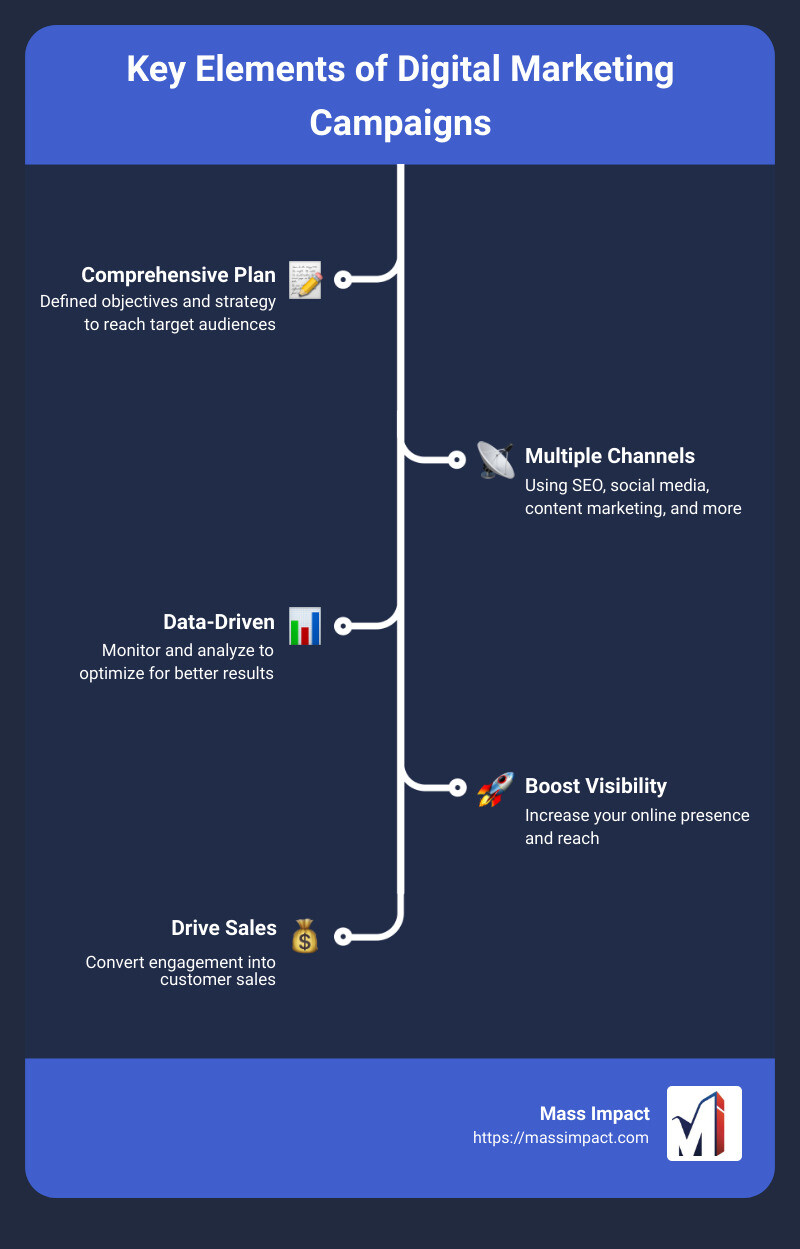
- Comprehensive Plan: Defined objectives and strategy to reach target audiences
- Multiple Channels: Using SEO, social media, content marketing, and more
- Data-Driven: Monitor and analyze to optimize for better results
In the ever-changing digital landscape, having a robust strategy isn’t just beneficial – it’s necessary. A well-crafted digital marketing campaign helps boost your visibility, build customer relationships, and ultimately drive sales.
I’m Haiko de Poel Jr, a Fractional Chief Marketing Officer with a specialty in digital marketing campaigns. My background in branding, product design, and SEO makes me a strong advocate for businesses navigating the complexities of digital transformation.
Let’s explore digital marketing campaigns.
What is a Digital Marketing Campaign?
A digital marketing campaign is a series of coordinated actions aimed at promoting a company’s product or service through various online channels. These campaigns are designed to achieve specific business goals, such as increasing brand awareness, driving website traffic, generating leads, or boosting sales.
Key Components of a Digital Marketing Campaign
1. Clear Objectives:
Start with the end in mind. Define what you want to achieve. Use S.M.A.R.T. goals (Specific, Measurable, Attainable, Relevant, Timely) to guide your campaign. For example, Nike’s digital campaign during the pandemic aimed to promote social distancing and used influencer marketing to spread the message.
2. Target Audience:
Know who you are marketing to. Create detailed buyer personas based on real data to understand your audience’s demographics, behaviors, and preferences. This ensures your messaging resonates with the right people.
3. Content Creation:
Content is king. Develop high-quality, engaging content that provides value to your audience. Use various formats like blog posts, videos, infographics, and social media posts. Apple’s “Shot on iPhone” campaign is a great example, using user-generated content and professional collaborations to showcase its product.
4. Channel Selection:
Choose the right platforms to reach your audience. This could include social media, email, search engines, and more. Google’s Super Bowl 2020 “Loretta” campaign used a touching video ad to promote Google Photos, leveraging the high visibility of the Super Bowl.
5. Budgeting:
Allocate your budget wisely. Determine how much you are willing to invest in each channel and consider costs for content creation, advertising, and other marketing activities.
6. Team and Tools:
Ensure you have the right team and tools in place. This might include content creators, designers, social media managers, and analytics tools to track your campaign’s performance.
7. Design and Messaging:
Your campaign’s visuals and messaging should be consistent with your brand but also tailored to the specific campaign. Nike’s campaign visuals and messages were consistent with their brand but focused on the theme of social distancing.
Digital Channels
1. Social Media:
Platforms like Facebook, Instagram, LinkedIn, and Twitter are essential for engaging with your audience. Social media allows for direct interaction and sharing of content, making it a powerful tool for digital marketing campaigns.
2. Email Marketing:
Email campaigns are great for reaching existing customers and prospects. They can be highly personalized and targeted, ensuring your message gets to the right people.
3. Search Engines:
SEO and PPC are crucial for visibility on search engines like Google and Bing. These strategies help you reach people who are actively searching for products or services like yours.
4. Content Marketing:
Creating valuable content like blogs, e-books, and videos helps attract and retain your audience. Content marketing builds trust and positions your brand as an authority in your industry.
5. Mobile Marketing:
With the rise of smartphone usage, mobile marketing is more important than ever. Ensure your website and digital assets are mobile-friendly to provide a seamless experience for your audience.
In the changing digital landscape, a well-executed digital marketing campaign can set your business apart. By understanding your audience, creating compelling content, and choosing the right channels, you can drive engagement, conversions, and ultimately, business growth.

Next, let’s explore the different types of digital marketing campaigns you can leverage to achieve your business goals.
Types of Digital Marketing Campaigns
Search Engine Optimization (SEO)
SEO is the art and science of making your web pages attractive to search engines like Google. The ultimate goal is to rank on the first page of search results for relevant queries. This involves several key factors:
Google Algorithms: Search engines use complex algorithms to rank pages. Google’s algorithm changes frequently, making it essential to stay updated. Factors like content quality, user engagement, mobile-friendliness, and inbound links play significant roles.
Keyword Research: Identifying the right keywords is crucial. Tools like Google Keyword Planner help find terms your target audience is searching for. Once identified, these keywords should be naturally integrated into your content.
Technical SEO: This involves optimizing the backend of your site. Elements like URL structure, loading times, and fixing broken links help search engines crawl your site more effectively.
Search Engine Marketing (SEM)
SEM combines SEO and paid advertising to boost your website’s visibility on search engines. It’s a powerful way to drive targeted traffic.
PPC (Pay-Per-Click): With PPC, you pay a fee each time someone clicks on your ad. Google Ads is a popular platform for this. It uses an auction system where your ad’s quality, keyword relevance, and bid amount determine its placement.
Ad Auctions: When a spot is available on a search engine results page (SERP), an instant auction takes place. The highest bidder with the best ad quality wins the spot. This ensures your ad appears in front of the right audience.
Social Media Marketing (SMM)
SMM involves using social media platforms to connect with your audience, build your brand, and drive traffic to your website.
Platforms: Popular platforms include Facebook, Instagram, Twitter, LinkedIn, and TikTok. Each platform has its own strengths and caters to different demographics.
Engagement Strategies: To engage your audience, post high-quality, engaging content regularly. Respond to comments and questions professionally. Create a social media posting schedule to maintain consistency.
Content Creation: Craft diverse content types like memes, videos, and infographics. Use analytics tools to track what works best and adjust your strategy accordingly.
Content Marketing
Content marketing focuses on creating and distributing valuable content to attract and retain your audience.
Blogging: Blogs are a common content marketing tool. They provide valuable insights, tips, and information that help build credibility and trust with your audience.
E-books: These are more in-depth than blog posts and can serve as comprehensive guides on specific topics. They’re excellent for generating leads.
Infographics: These visually appealing graphics present complex information in an easy-to-understand format. They’re highly shareable and can drive significant traffic to your site.
By leveraging these types of digital marketing campaigns, you can effectively reach and engage your target audience, driving both traffic and conversions. Next, we’ll delve into how to craft a successful digital marketing campaign.
Crafting a Successful Digital Marketing Campaign
Creating a successful digital marketing campaign involves several steps. Let’s break it down into manageable parts.
Setting Clear Objectives
Start with SMART goals. These are:
- Specific: Define what you want to achieve.
- Measurable: Ensure you can track progress.
- Attainable: Set realistic targets.
- Relevant: Align with your business objectives.
- Timely: Set a deadline.
For example, instead of saying “increase sales,” say “increase online sales by 15% in the next quarter.”
Understanding and Defining the Target Audience
Knowing your audience is crucial. Focus on:
- Demographics: Age, gender, income, etc.
- Psychographics: Interests, values, lifestyle.
- Buyer Personas: Create detailed profiles of your ideal customers.
For instance, if you sell eco-friendly products, your target might be young adults who value sustainability.
Choosing the Right Digital Marketing Tactics
Select the right channels and tactics based on your audience. Consider:
- Channel Selection: Social media, email, SEO, etc.
- Content Types: Blogs, videos, infographics.
- Messaging: Tailor messages to resonate with your audience.
If your audience is active on Instagram, focus on visually engaging content like images and short videos.
Importance of Quality Content
Quality content is key to engagement. Ensure your content:
- Informs: Provide valuable information.
- Entertains: Keep your audience interested.
- Engages: Encourage interaction.
Use visuals like images and videos to make your content more appealing. For example, blog posts with images get 94% more views than those without.
Consistency Across Channels
Maintain a consistent brand voice and message across all channels. This builds trust and recognition. Ensure:
- Unified Messaging: Same core message everywhere.
- Brand Voice: Consistent tone and style.
- Cross-Platform Strategies: Seamless experience across platforms.
For example, if your brand voice is friendly and approachable, keep it the same on your website, social media, and emails.
Effective Calls to Action (CTAs)
CTAs guide your audience towards the desired action. Focus on:
- Design: Make them stand out.
- Placement: Easy to find, like at the end of a blog post.
- Messaging: Clear and compelling.
For instance, instead of “Submit,” use “Get Your Free Ebook Now!” to encourage clicks.
Utilizing Analytics for Optimization
Use data to measure success and optimize your campaign. Key steps include:
- Data Analysis: Track metrics like traffic and conversions.
- A/B Testing: Compare different versions of content to see what works best.
- ROI Measurement: Calculate the return on investment to ensure your efforts are paying off.
Tools like Google Analytics can help you track these metrics in real-time.
By following these steps, you can craft a digital marketing campaign that is both effective and efficient. Next, we’ll look at some real-world examples of successful digital marketing campaigns.
Examples of Effective Digital Marketing Campaigns
Gillette’s “The Best Men Can Be”
Gillette’s campaign, “The Best Men Can Be,” launched in January 2019, aimed to tackle issues like toxic masculinity and sexual harassment. The campaign included a short film showing various forms of toxic behavior, such as bullying and sexism, and how men can stand up against them.
What made this campaign unique was its bold stance on social issues. While it faced criticism for being too political, it sparked important conversations about men’s roles in society. The campaign generated significant media buzz and positioned Gillette as a brand committed to positive social change.
Coca-Cola’s “Share a Coke”
Coca-Cola’s “Share a Coke” campaign, first launched in Australia in 2011, took personalization to a new level by replacing the iconic logo on bottles with popular names. This simple yet effective idea encouraged people to share a Coke with friends and loved ones.
The campaign expanded globally and included personalized messages and augmented reality experiences. It created a massive social media wave, with people sharing photos of their personalized bottles. The result? Increased sales and a stronger emotional connection with the brand.
Dove’s “ShowUs”
In 2019, Dove launched the “ShowUs” campaign in collaboration with Getty Images and Girl Gaze. The aim was to promote a more diverse and inclusive portrayal of women in media. The campaign featured over 5,000 images of women of different ages, races, sizes, and abilities.
What set this campaign apart was its focus on diversity and body positivity. Inspired by research showing that 70% of women don’t feel represented in media, Dove aimed to change this narrative. The campaign won several awards, including the 2019 Cannes Lion Grand Prix, and continues to promote positive body image and self-esteem.
ALS’ “Ice Bucket Challenge”
The ALS Ice Bucket Challenge became a viral phenomenon in the summer of 2014. Participants would dump a bucket of ice water on themselves, record a video, and challenge others to do the same. The goal was to raise awareness and funds for ALS, also known as Lou Gehrig’s Disease.
The campaign’s success was due to its simple, fun, and engaging concept. It went viral, with celebrities like Bill Gates and Oprah Winfrey participating. The hashtag #IceBucketChallenge was used over 1.2 million times on Twitter, and the videos were viewed over 10 billion times. This campaign demonstrated the power of social media in raising awareness and funds for a worthy cause.
Red Bull’s “Stratos”
In 2012, Red Bull launched the “Stratos” campaign, featuring Austrian skydiver Felix Baumgartner. He jumped from a capsule suspended by a helium balloon at an altitude of 24 miles. The event was broadcast live and promoted heavily on social media.
This campaign highlighted Red Bull’s brand values of adventure and pushing boundaries. It was a record-breaking event that captivated audiences worldwide, reinforcing Red Bull’s image as a brand that sponsors extreme sports and thrilling experiences. The campaign was a massive success, demonstrating the impact of creating memorable and inspiring content.
Next, let’s dive into some frequently asked questions about digital marketing campaigns.
Frequently Asked Questions about Digital Marketing Campaigns
What are the 7 C’s of digital marketing?
The 7 C’s of digital marketing are essential elements that help shape a successful strategy:
- Customer: Understand who you are selling to. Identify their needs, preferences, and behavior.
- Content: Create valuable and relevant content that resonates with your audience.
- Community: Build a loyal following by engaging with your audience and fostering a sense of community.
- Context: Ensure your content is relevant and timely. Tailor your messaging to fit the current context.
- Convenience: Make it easy for customers to buy from you. Simplify the purchasing process.
- Cohesion: Maintain a consistent brand voice and message across all channels.
- Conversion: Design content to convert viewers into customers. Use effective calls to action (CTAs).
What are the 4 major types of digital marketing?
The four major types of digital marketing are:
- Content Marketing: Involves creating and sharing valuable content like blog posts, e-books, and infographics to attract and engage your target audience.
- Search Engine Optimization (SEO): Optimizing your website to rank higher in search engine results, making it easier for potential customers to find you.
- Search Engine Marketing (SEM): Using paid advertising like PPC (Pay-Per-Click) to increase your website’s visibility on search engines.
- Social Media Marketing (SMM): Promoting your products or services on social media platforms through organic posts and paid ads to engage with your audience and build brand awareness.
What are the 5 steps in developing a digital marketing campaign?
Developing a digital marketing campaign involves the following five steps:
- Strategy Setup: Define your goals, target audience, and key performance indicators (KPIs). Create a detailed plan outlining your approach.
- Implementation: Execute your strategy by creating and distributing content, launching ads, and engaging with your audience across chosen channels.
- Conversion: Focus on turning your audience into customers. Use effective CTAs and optimize your landing pages to drive conversions.
- Understanding Client Desires: Continuously gather feedback and analyze customer behavior to understand their needs and preferences better.
- Re-plan and Research: Regularly review your campaign’s performance. Use data analytics to identify what’s working and what’s not. Adjust your strategy accordingly to improve results.
By following these steps and focusing on the 7 C’s, you can craft a digital marketing campaign that effectively reaches and engages your audience, driving both brand awareness and sales.
Conclusion
Digital marketing offers numerous benefits that can significantly enhance your business. First, it provides a broad geographic reach. Unlike traditional marketing, which is often limited by geography, digital marketing allows you to reach a global audience. This means you can connect with potential customers from all over the world.
Another key advantage is cost efficiency. Digital marketing is generally cheaper than traditional marketing methods like TV or print ads. You can create content that continues to draw in customers long after it’s published, maximizing your return on investment.
One of the most compelling benefits is the ability to achieve quantifiable results. With tools and platforms that track metrics like click-through rates, conversion rates, and customer engagement, you can easily measure the success of your campaigns. This data allows you to make informed decisions and optimize your strategies in real-time.
Digital marketing also enables easier personalization. By collecting and analyzing customer data, you can tailor your messages to specific segments of your audience, making your marketing efforts more effective.
Looking ahead, future trends in digital marketing are exciting and changing. Video marketing is on the rise, with platforms like TikTok and Instagram Reels gaining popularity. According to Wyzowl, 92% of video marketers report a positive ROI on video content. Generative AI is another trend to watch. It helps marketers create high-quality, better-performing content, making it a game-changer in content marketing.
At Mass Impact, we specialize in creating comprehensive digital marketing strategies that drive results. Our expertise spans SEO, social media management, content marketing, and more. We understand that each business is unique, and we tailor our strategies to meet your specific needs and goals.
Ready to elevate your digital marketing efforts? Learn more about how Mass Impact can help you.
By building a robust online presence and leveraging the power of digital marketing, your business can stand out from the competition and achieve lasting success.