
SEO Website Designers: 7 Essential Powerful Tips
SEO website designers are the bridge between beautifully designed sites and top-notch search engine performance. Their role is to ensure that when your potential customers search online, your website not only looks good but also appears right at the top of search results. Here’s how SEO website designers help your business:
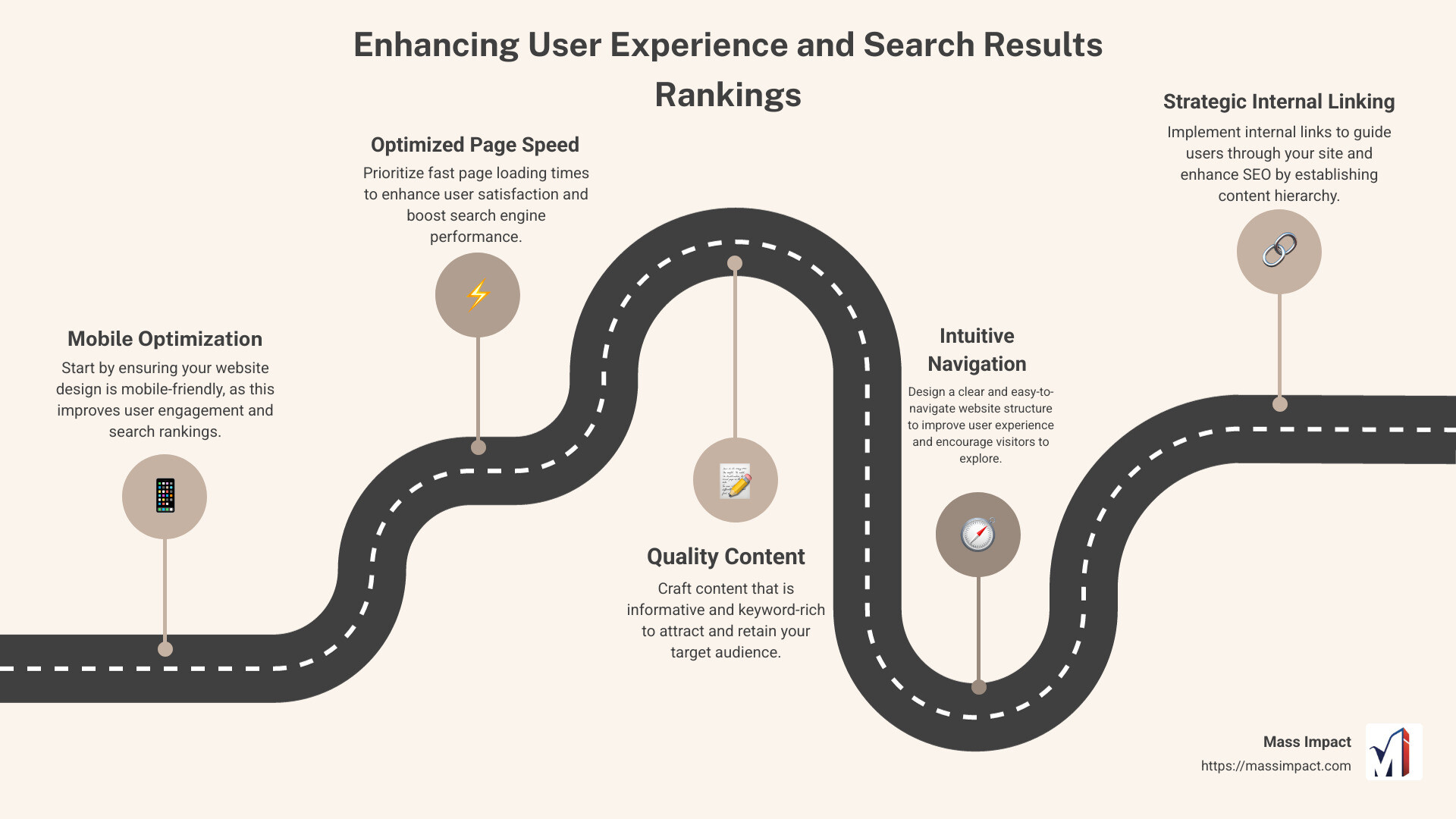
- Improve search engine rankings through optimized page speed and structure.
- Improve user experience by ensuring easy navigation and mobile-friendly designs.
- Craft quality content with strategic keywords to connect with your audience.
The marriage of SEO and web design is crucial. I’m Haiko de Poel Jr, a fractional CMO with a rich background in SEO and web design, helping businesses create distinctive online identities. With this foundation, let’s dig deeper into how the fusion of SEO and web design can transform your online presence.
Basic seo website designers vocab:
– seo web design
– website design and search engine optimization
– why responsive web design is good for seo
The Symbiotic Relationship Between SEO and Web Design
Imagine your website as a beautiful storefront. It’s visually stunning, with inviting colors and a neat layout. But what if it’s hidden in a back alley where no one can find it? This is where search engine optimization (SEO) steps in, ensuring your site is not just pretty, but also easily findable.
SEO web design is about creating websites that are both attractive and easy to find. It’s the art of blending aesthetics with functionality, ensuring that your site is not only eye-catching but also ranks well in search results.
The User Experience Connection
At the heart of this relationship is user experience. A well-designed site keeps visitors engaged, while effective SEO makes sure they find it in the first place. It’s a partnership where design and SEO work hand in hand to provide visitors with a seamless journey.
A clean, intuitive design improves usability, making it easier for users to steer. This, in turn, reduces bounce rates and signals to search engines that your site is valuable. As a result, your site climbs higher in search rankings.
Why SEO Matters in Web Design
Search engine optimization is not just about keywords and links. It involves the entire structure of your site, from its loading speed to its mobile-friendliness. Google’s algorithms reward sites that offer a smooth, fast, and mobile-friendly experience.
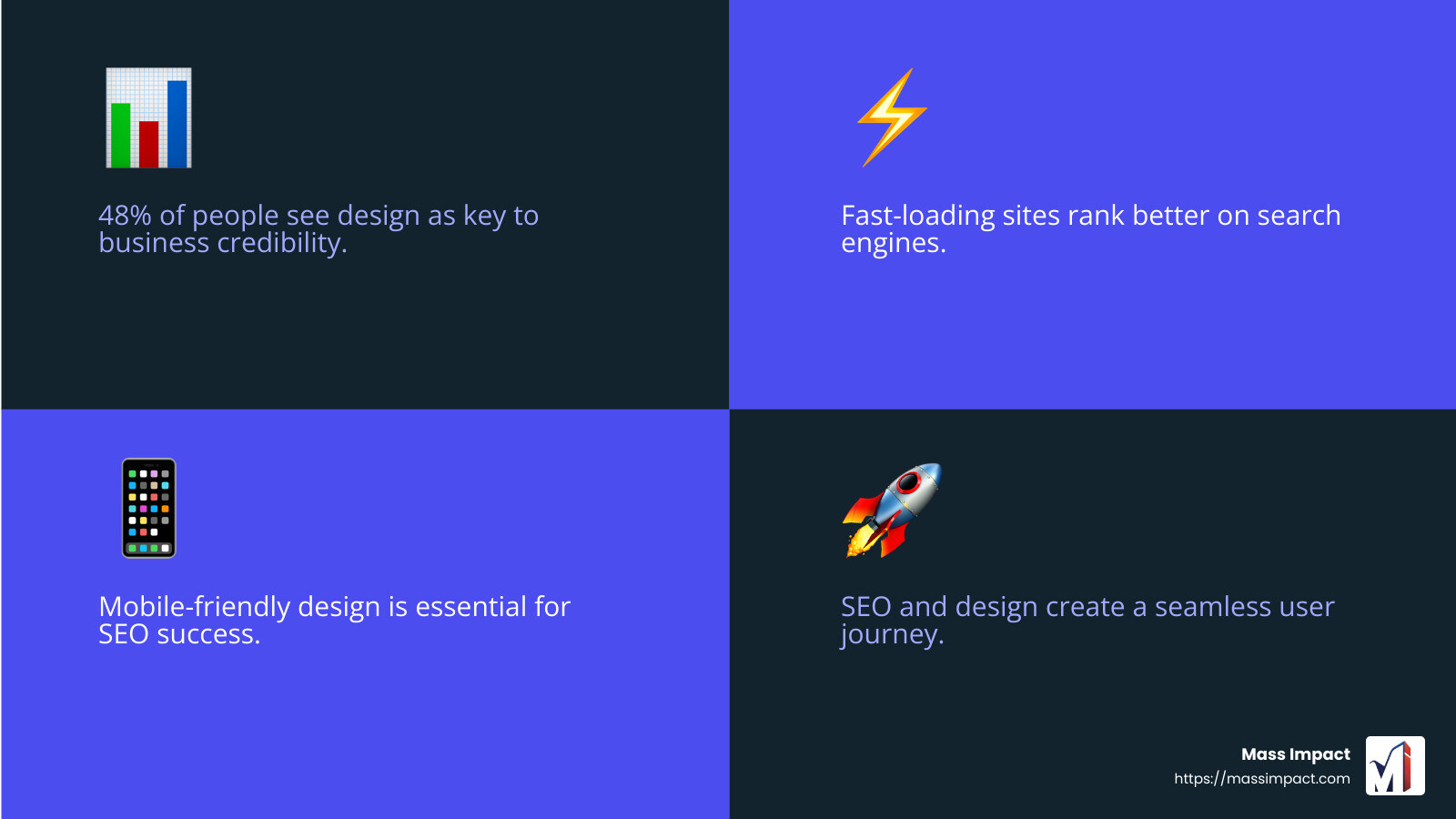
SEO website designers ensure that every element of your site, from images to navigation, contributes to its search engine performance. They understand that a fast-loading site not only pleases users but also ranks better on search engines.
Building Bridges with SEO Web Design
The fusion of SEO and web design is essential for building a strong online presence. By integrating SEO principles into the design process, seo website designers create sites that are both functional and appealing.
This integration leads to:
- Improved visibility: Your site appears in search results, attracting more visitors.
- Improved credibility: A well-designed, easily navigable site builds trust with users.
- Increased engagement: Visitors are more likely to stay and explore, reducing bounce rates.
SEO and web design are two sides of the same coin. Together, they create a user-friendly, search-friendly website that stands out in the crowded digital landscape.
Next, we’ll explore the key elements that make a web design truly SEO-friendly, ensuring your site not only looks great but also performs exceptionally well in search results.
Key Elements of SEO-Friendly Web Design
Creating a website that ranks well in search engines involves more than just attractive visuals. It requires a thoughtful approach to design and functionality. Let’s explore the essential elements that make web design SEO-friendly.
Mobile-First Design
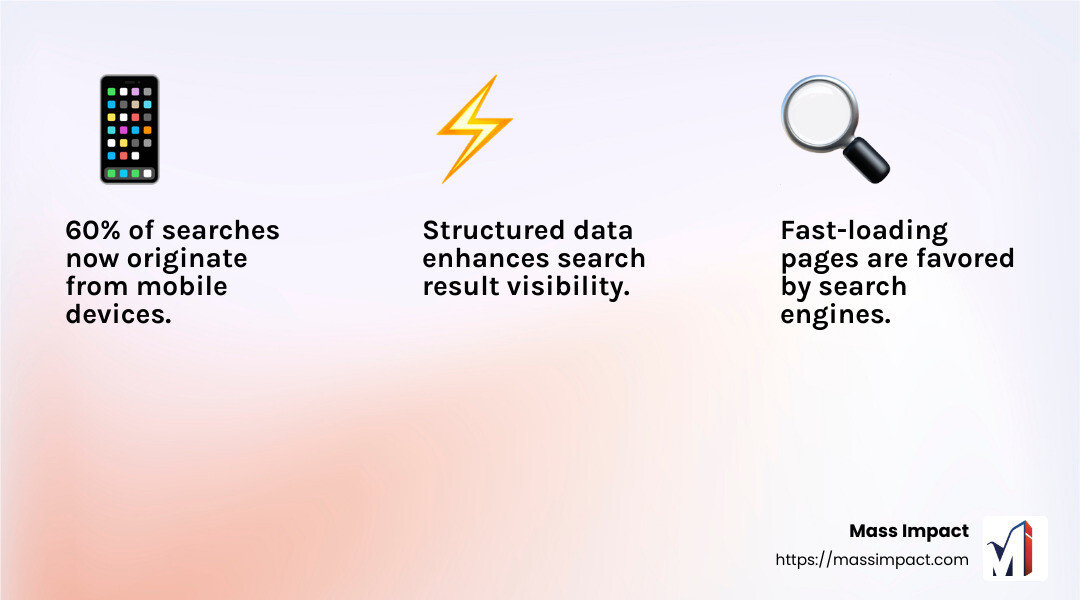
In today’s digital era, more than 60% of searches happen on mobile devices. Google has adopted a mobile-first approach, meaning that it primarily uses the mobile version of a site for indexing and ranking. Therefore, responsive design is crucial.
A responsive design ensures your site adapts to any device, providing a seamless experience whether users are on a phone, tablet, or desktop.
Page Speed
Page speed is a critical factor for both user experience and SEO. Fast-loading sites reduce bounce rates and improve user satisfaction. Some effective strategies to boost page speed include:
- Using WebP image format instead of bulkier JPEGs or PNGs to reduce file sizes.
- Reducing HTTP requests by minimizing the number of elements on a page.
- Enabling browser caching to speed up load times for returning visitors.
Use tools like Google’s PageSpeed Insights to analyze and optimize your site’s speed.
Website Structure
The structure of your website plays a pivotal role in SEO. A well-organized site helps search engines understand your content and makes navigation easier for users.
- Clear hierarchy: Organize your content logically with categories and subcategories.
- Consistent URLs: Use simple and descriptive URLs that reflect your site’s structure.
- XML sitemaps: Submit an XML sitemap to search engines to ensure all pages are indexed.
Navigation
Intuitive navigation keeps users on your site longer and helps search engines crawl your pages effectively. A clear and logical menu structure allows users to find what they need without frustration.
- Prominent menu: Position your navigation menu at the top of each page.
- Descriptive labels: Use clear labels for each menu item to guide users effortlessly.
Internal Links
Internal links are vital for SEO as they help distribute page authority and guide visitors through your site. They also improve the crawlability of your site.
- Link related content: Connect related pages to encourage users to explore more.
- Use anchor text: Ensure anchor text is descriptive and relevant to the linked page.
In summary, an SEO-friendly web design is all about creating a user-centric experience that aligns with search engine requirements. By focusing on these key elements, you’ll ensure your site is not only visually appealing but also optimized for search engines.
Next, we’ll dig into the role of SEO website designers and how they craft sites that rank well in search results.
SEO Website Designers: Crafting Sites That Rank
Creating a website that ranks high on search engines is an art and a science. It’s where search engine optimization (SEO) meets web design to create a seamless user experience. SEO website designers are the bridge builders who make this happen.
The Role of SEO Website Designers
These experts understand that a website must do more than look good. It must perform well in search engines and offer a great user experience. Here’s how they do it:
-
Strategic Planning: Before any design work begins, SEO website designers plan the site architecture. This involves organizing content logically and ensuring every page is easily accessible by search engines and users alike.
-
Responsive Design: With more than 60% of searches coming from mobile devices, responsive design is non-negotiable. Designers ensure that websites adapt to various devices, providing a smooth experience whether users are on a phone or desktop.
-
Page Optimization: Fast-loading pages are a must. Designers optimize images, reduce HTTP requests, and enable caching to speed up sites. These actions not only improve user experience but also improve rankings since Google favors fast sites.
Crafting User-Centric Experiences
SEO website designers focus on creating user-centric sites. This means designing with the end-user in mind while also adhering to SEO best practices.
-
Intuitive Navigation: Clear, logical navigation helps users find what they need without hassle. A prominent menu with descriptive labels ensures users and search engines can steer the site effortlessly.
-
Quality Content: Designers work with content creators to ensure that content is not only engaging but also optimized for keywords. This dual approach helps in ranking and retaining visitor interest.
Balancing Design and Functionality
The key to successful SEO web design lies in balancing aesthetics with functionality. A site must be visually appealing yet also technically sound to rank well.
-
Structured Data: Implementing structured data like schema markup helps search engines understand the site content better. This can lead to improved visibility in search results, such as rich snippets.
-
Internal Linking Strategy: Designers create a robust internal linking structure that guides users through the site and helps distribute page authority effectively.
SEO website designers play a crucial role in crafting websites that not only attract visitors but keep them engaged. By integrating SEO into the design process from the start, they ensure that sites are both user-friendly and search engine-friendly, leading to higher rankings and better user satisfaction.
Next, we’ll explore the 7 essential factors that SEO website designers focus on to ensure their sites stand out in search results.
7 Essential Factors for SEO Website Designers
Creating a standout site requires attention to several key elements. SEO website designers focus on these factors to ensure both search engines and users love the site.
1. Code
The code is the backbone of any website. SEO website designers use clean, efficient HTML and CSS to ensure fast loading times and easy crawling by search engines. Avoiding Flash is crucial since search engines struggle to index it.
2. Mobile Friendliness
With over half of all web traffic coming from mobile devices, a mobile-friendly design is essential. Responsive design ensures the site looks and functions well on any device. Google’s mobile-first indexing means that sites optimized for mobile are more likely to rank higher.
3. Readability
Good readability keeps users engaged. Designers use clear fonts, concise language, and ample white space to make content easy to digest. A readable site improves user experience and encourages visitors to stay longer, which can positively impact rankings.
4. Quality Content
Content is king. High-quality, relevant content attracts visitors and keeps them coming back. SEO website designers collaborate with writers to ensure content is optimized for important keyw