

Graphic Design Trade Schools: Top 5 Success Tips
Graphic design trade schools offer a practical starting point for anyone looking to dive into a creative career with promising prospects. These institutions provide specialized training, equipping students with the artistic flair and technical skills necessary to flourish in the changing world of digital media. If you’re considering pursuing this vibrant career path, here’s what you need to know:
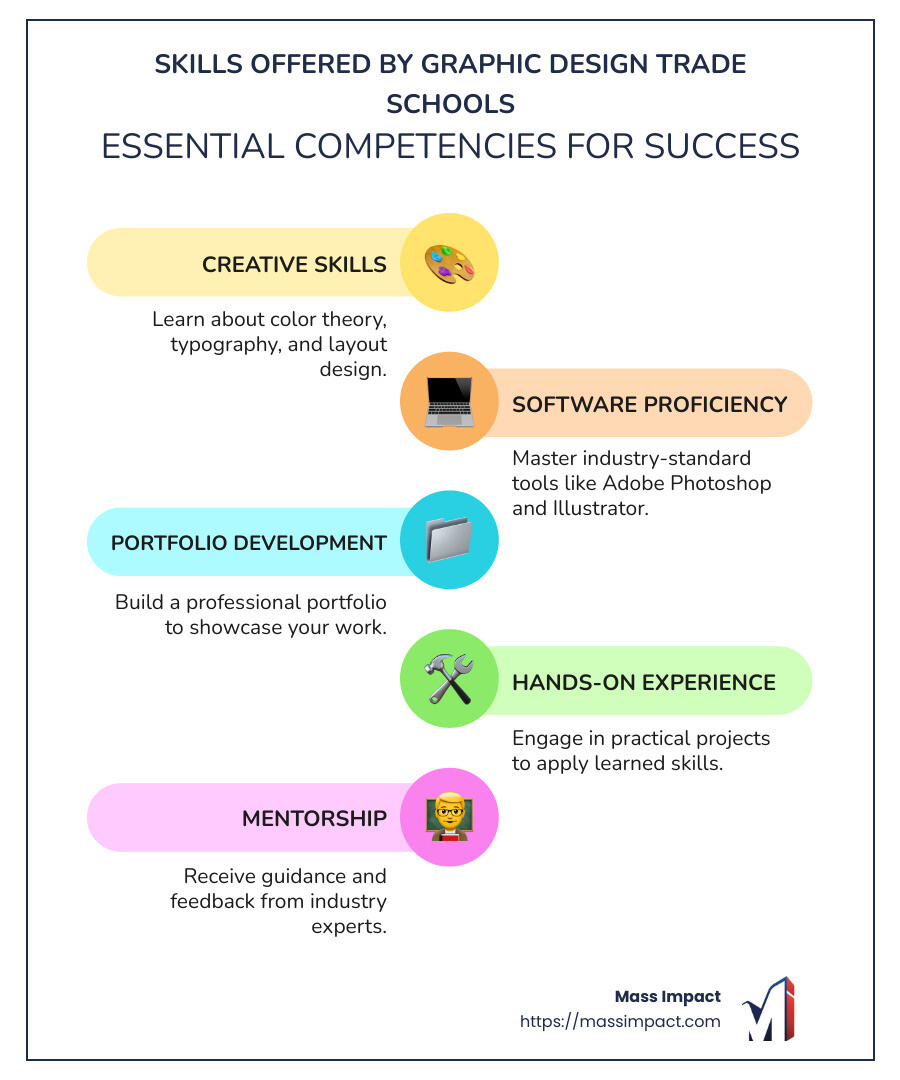
- Graphic design trade schools offer focused programs that emphasize hands-on experience.
- You’ll learn essential creative skills like color theory, typography, and layout design.
- Mastering industry-standard software such as Adobe Photoshop and Illustrator is a key component of the curriculum.
As someone who has digd deeply into the field of graphic design trade schools, I’m Haiko de Poel Jr, and I’d like to share my expertise on navigating this dynamic field. With solid experience in education and digital change, I’m committed to guiding you through the opportunities and skills these schools offer.
Quick graphic design trade schools terms:
– graphic designer jobs jacksonville fl
– graphic designer salary jacksonville fl
– jacksonville logo design
Understanding Graphic Design Trade Schools
When considering graphic design trade schools, understand the variety of degree options available. These schools cater to different levels of education, from certificates to master’s degrees, each offering unique benefits and career paths.
Degree Options
-
Certificate and Diploma Programs: Typically completed within a year, these programs focus on teaching design software skills. They’re ideal for those with some design background or those looking to freelance or work with smaller companies.
-
Associate Degrees: Usually taking about two years, these programs provide a broader education, including both technical and design fundamentals. Graduates can pursue roles in midsized organizations.
-
Bachelor’s Degrees: These four-year programs offer the most comprehensive education, covering a wide range of design concepts and skills. Graduates are well-prepared for positions in organizations of any size.
-
Master’s Degrees: For those aiming at leadership roles or academia, these two-year programs dig deeper into design theory and practice.
Program Length
The length of training in graphic design trade schools varies widely, from as short as six weeks to as long as four years. Most programs fall between 12 and 48 months, allowing flexibility based on your career goals and prior experience. For instance, accelerated associate degree programs can be completed in just 18 months, offering a quicker path to entering the workforce.
Curriculum
The curriculum in graphic design trade schools is a blend of technical and creative education. Key components often include:
-
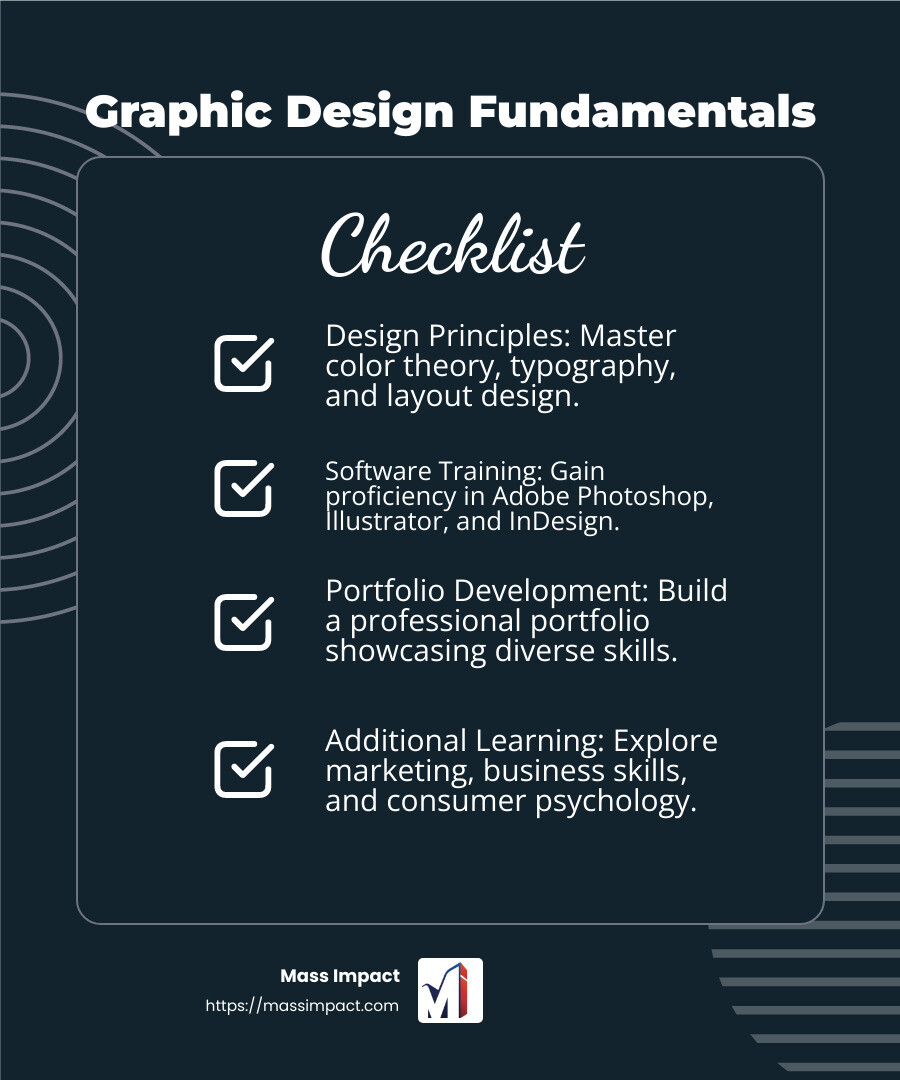
Design Principles: Understanding color theory, typography, and layout design is crucial. These basics are the foundation of any effective design work.
-
Professional Software Training: Mastery of tools like Adobe Photoshop, Illustrator, and InDesign is essential. Some programs also offer courses in basic HTML or CSS for web design.
-
Portfolio Development: A strong portfolio is a graphic designer’s calling card. Schools often emphasize creating a professional portfolio that showcases a range of skills and styles.
-
Additional Courses: Depending on the school, you might also study marketing, business skills, or even psychology to understand consumer behavior.
Choosing the right program depends on your current skill level, career goals, and the time you can commit to your education. Whether you aim to join a large organization or start your own design business, graphic design trade schools provide the training and experience needed to succeed in this creative field.
Top 5 Graphic Design Trade Schools
When it comes to graphic design trade schools, finding the right fit is crucial for your career path. Whether you’re looking for online programs, associate degrees, or bachelor’s degrees, these top schools offer robust options.
1. Tidewater Community College (TCC)
Program Highlights:
– Associate of Applied Science in Graphic Design: TCC offers a comprehensive program that spans five semesters, focusing on both traditional and interactive design.
– Hands-on Experience: Students gain practical skills using industry-standard software, preparing them for a seamless transition into the workforce.
– Flexible Locations: With multiple campuses, TCC provides accessibility to students in various regions.
2. Jacksonville University
Program Highlights:
– Bachelor of Fine Arts (BFA) in Visual Design: This program emphasizes a human-centered design approach, integrating technology and design-thinking practices.
– Online Options: For those needing flexibility, Jacksonville University offers a fully online bachelor’s degree, allowing students to balance other commitments while earning their degree.
– Small Class Sizes: With a low student-to-faculty ratio, students receive personalized mentorship and guidance.
3. Berkeley College
Program Highlights:
– Bachelor’s Degree in Graphic Design: Berkeley College provides a curriculum that combines creative skills with business acumen, essential for today’s competitive job market.
– Online Learning Environment: Students have the option to complete their degree entirely online, enjoying a 24/7 learning environment with dedicated success coaches.
– Community Engagement: Berkeley’s commitment to community service and networking opportunities improves students’ educational experience.
4. Mass Impact Academy
Program Highlights:
– Specialized Graphic Design Courses: Mass Impact Academy focuses on providing targeted training in areas like branding, web design, and motion graphics.
– Industry Connections: The academy offers networking opportunities with experienced professionals, crucial for career advancement.
– Portfolio Development: Emphasis is placed on building a strong portfolio, a key asset for any aspiring designer.
5. Florida State College at Jacksonville (FSCJ)
Program Highlights:
– Associate Degree in Graphic Design: FSCJ offers a program that balances technical skills with creative exploration, preparing students for diverse roles in the design industry.
– Access to Cutting-Edge Software: Students learn using the latest design tools, ensuring they are industry-ready upon graduation.
– Career Services: FSCJ provides robust career support, helping students transition from education to employment.
These graphic design trade schools offer a variety of programs to suit different needs and aspirations. Whether you prefer the flexibility of online learning or the comprehensive education of a bachelor’s degree, these institutions provide the foundation for a successful career in graphic design.
Benefits of Attending a Graphic Design Trade School
Choosing to attend a graphic design trade school can be a game-changer for your career. Here’s why:
Career Advancement
Trade schools are designed to fast-track your entry into the workforce. By focusing on practical skills and real-world applications, these schools prepare you for immediate employment. Hands-on experience with industry-standard software like Adobe Photoshop and Illustrator means you’ll be ready to tackle professional projects right after graduation.
Mentorship
One of the standout benefits of trade schools is the access to mentorship from experienced professionals. Unlike larger universities, trade schools often have smaller class sizes. This means more personalized attention and guidance from instructors who have real-world experience. They provide insights into the industry and help you steer your career path, offering advice on everything from freelancing to landing your first job.
Software Access
In graphic design, proficiency in software is crucial. Trade schools provide access to the latest design tools, ensuring you’re not left behind in this fast-evolving field. You’ll gain expertise in Adobe Creative Suite, including Photoshop, Illustrator, and InDesign, as well as other tools like Sketch and Figma. This access is invaluable, as buying these programs independently can be costly.
By attending a graphic design trade school, you’re setting yourself up for success with a solid foundation in both the technical and creative aspects of design. This path not only improves your skills but also opens doors to a variety of career opportunities in the design world.
Next, let’s explore the specific skills you’ll acquire in these programs, from mastering design principles to developing a standout portfolio.
Skills Acquired in Graphic Design Trade Schools
When you enroll in a graphic design trade school, you’re not just learning to create visually appealing images. You’re building a robust skill set that prepares you for a dynamic career in design. Here’s what you’ll master:
Design Principles
Understanding design principles is the foundation of any successful graphic designer. At trade schools, you’ll dive deep into concepts like color theory, typography, and composition. These principles guide how you create balanced, visually appealing designs that communicate effectively.
You’ll learn to solve visual problems using principles like alignment, balance, contrast, and visual hierarchy. This knowledge is crucial for creating designs that not only look good but also convey meaning and purpose.
Software Proficiency
Knowing how to use design software is non-negotiable. Graphic design trade schools offer hands-on training with industry-standard tools. You’ll become proficient in the Adobe Creative Suite, including Photoshop, Illustrator, and InDesign. These programs are essential for tasks like photo editing, vector graphics, and layout design.
Moreover, you’ll get to explore other popular tools like Sketch, Figma, and even basic HTML or CSS for web design. This software proficiency ensures that you can handle any design challenge that comes your way.
Portfolio Development
Your portfolio is your calling card in the design world. Trade schools emphasize the importance of developing a professional portfolio. You’ll have opportunities to create and refine a collection of your best work.
A strong portfolio showcases your skills and creativity. It’s what potential employers will look at to decide if you’re the right fit for their team. By the end of your program, you’ll h