

Creator Web Site: Top 5 Essential Features for 2024
Website creation doesn’t have to be complicated. If you’re eager to create a stunning digital presence without getting bogged down by tech jargon, you’re in the right place. Here’s a quick guide to get you started:
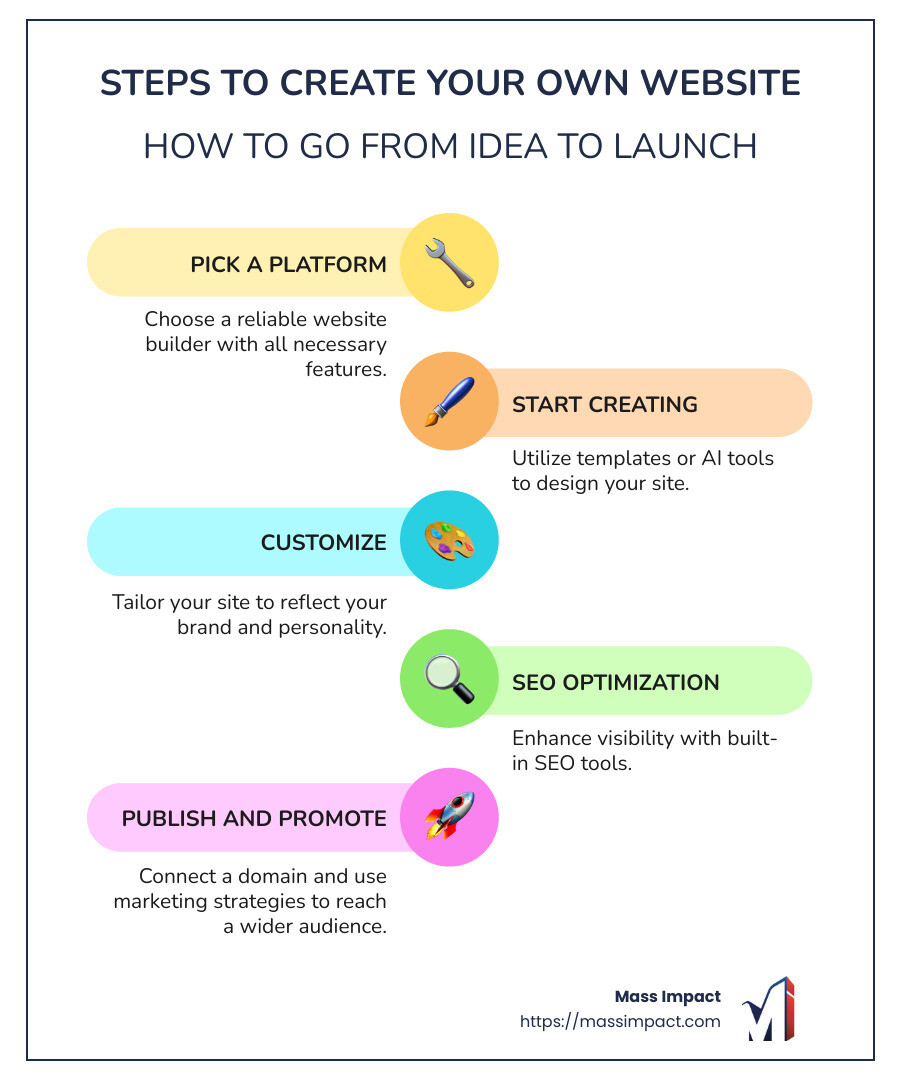
- Pick a platform: Choose a reliable website builder that has all the features you need.
- Start creating: Use templates or AI tools to design your site.
- Customize: Tailor your site to mirror your brand.
- SEO Optimization: Boost visibility with built-in SEO tools.
- Publish and Promote: Connect a domain and use marketing tools to spread the word.
Using the power of digital marketing is essential to make your site not just exist, but thrive. Your website can be a powerful tool to attract, engage, and convert visitors into loyal customers, all starting with a few simple steps.
As Haiko de Poel Jr, a seasoned strategist with a deep understanding of digital innovation and branding, I have helped numerous brands successfully establish their creator web site. Let’s dig into website creation together and build a foundation for your digital presence.
Creator web site vocabulary:
– create your own website
– how to build a website
– web builder
Understanding Website Creation
Creating a creator web site can seem daunting, but it’s easier than you might think. Let’s break down the basics: website builders, web design, and site structure.
Website Builder
A website builder is your best friend if you’re new to website creation. Think of it as a tool that helps you build a website without needing to write code. Popular options offer intuitive drag-and-drop interfaces, making it simple to add elements like text, images, and videos to your site. These platforms often come with professionally designed templates that you can customize to fit your style.
Why use a website builder?
- Ease of Use: No coding skills required. You can build a site in minutes.
- Cost-effective: Often cheaper than hiring a developer.
- Speed: Get your site up and running quickly.
Web Design
Web design is all about how your website looks and feels. A well-designed site can make a strong impression on visitors and keep them coming back.
Key elements of web design:
- Layout: Organize your content in a way that’s easy to navigate.
- Color Scheme: Choose colors that reflect your brand and are easy on the eyes.
- Typography: Use fonts that are readable and match your site’s tone.
A good design is not just about aesthetics; it’s also about usability. Your site should be easy to navigate and accessible on all devices.
Site Structure
Site structure refers to how different pages on your website are organized and linked together. A clear structure helps both users and search engines understand your site.
Components of site structure:
- Homepage: The main entry point, providing an overview of what your site offers.
- Navigation Menu: Guides visitors to different sections of your site.
- Internal Links: Connect related content to keep visitors engaged.
A well-structured site improves user experience and can boost your search engine rankings.
By understanding these fundamental aspects of website creation, you’re well on your way to building a successful creator web site. Next, we’ll explore the top features to look for in a website builder, ensuring you choose the right platform for your needs.
How to Create Your Own Creator Web Site
Creating a creator web site involves a few essential steps. Don’t worry, it’s not as complicated as it sounds. Follow these steps to get started on your digital journey.
Step 1: Choose a Domain Name
Your domain name is your website’s address on the internet. It should be simple, memorable, and reflect your brand or purpose. Think of it as your online identity.
Tips for choosing a domain name:
- Keep it short and easy to spell.
- Use keywords related to your content or brand.
- Avoid numbers and hyphens if possible.
Once you’ve decided on a name, use a domain registration service to check its availability and secure it.
Step 2: Select a Web Hosting Provider
Web hosting is like renting space on the internet for your website. It stores your site’s files and makes them accessible to visitors.
Consider these factors when choosing a host:
- Reliability: Look for providers with high uptime guarantees.
- Support: Ensure they offer 24/7 customer service.
- Scalability: Choose a plan that allows your site to grow.
Some platforms offer free hosting, but paid options often provide better performance and features.
Step 3: Customize a Template
Most website builders offer a variety of templates to choose from. These are pre-designed layouts that you can customize to suit your style and needs.
How to customize your template:
- Colors and Fonts: Match them with your brand’s identity.
- Images and Graphics: Use high-quality visuals that resonate with your audience.
- Content Layout: Arrange your text and images for easy navigation and readability.
A well-customized template makes your site unique and engaging.
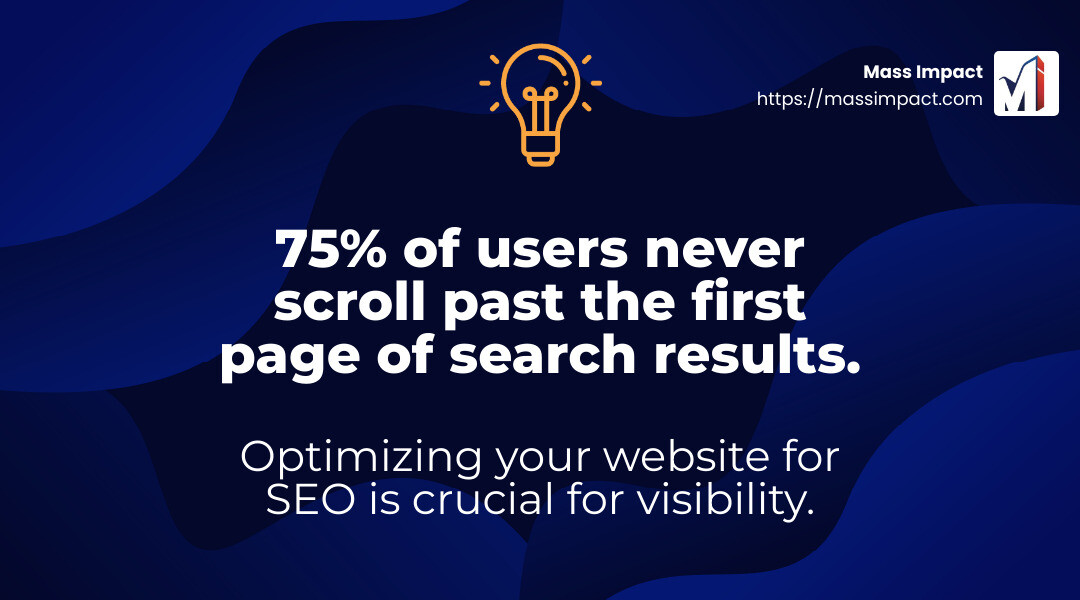
Step 4: Optimize for SEO
Search Engine Optimization (SEO) helps your site rank higher in search results, making it easier for people to find you.
Basic SEO tips:
- Use relevant keywords in your content.
- Write descriptive titles and meta descriptions.
- Ensure your site is mobile-friendly.
By following these steps, you’ll be well on your way to creating a stunning creator web site that captures your audience’s attention. Up next, we’ll dive into the top features to look for in a website builder to ensure you make the best choice for your project.
Top 5 Features to Look for in a Website Builder
Choosing the right website builder is crucial for creating a successful creator web site. Here are the top features you should prioritize:
1. User-Friendly Interface
A user-friendly interface is essential. It allows you to build and manage your site without technical skills. Look for builders with intuitive drag-and-drop editors. This feature lets you arrange elements on your page by simply dragging them into place.
- Why it matters: A simple interface saves time and reduces frustration, allowing you to focus on your content.
2. Customizable Templates
Customizable templates are a must-have. They provide a starting point for your site design and allow you to tailor the look to match your brand.
- What to look for: A wide selection of templates with options to change colors, fonts, and layouts. This flexibility ensures your site stands out.
3. Responsive Design
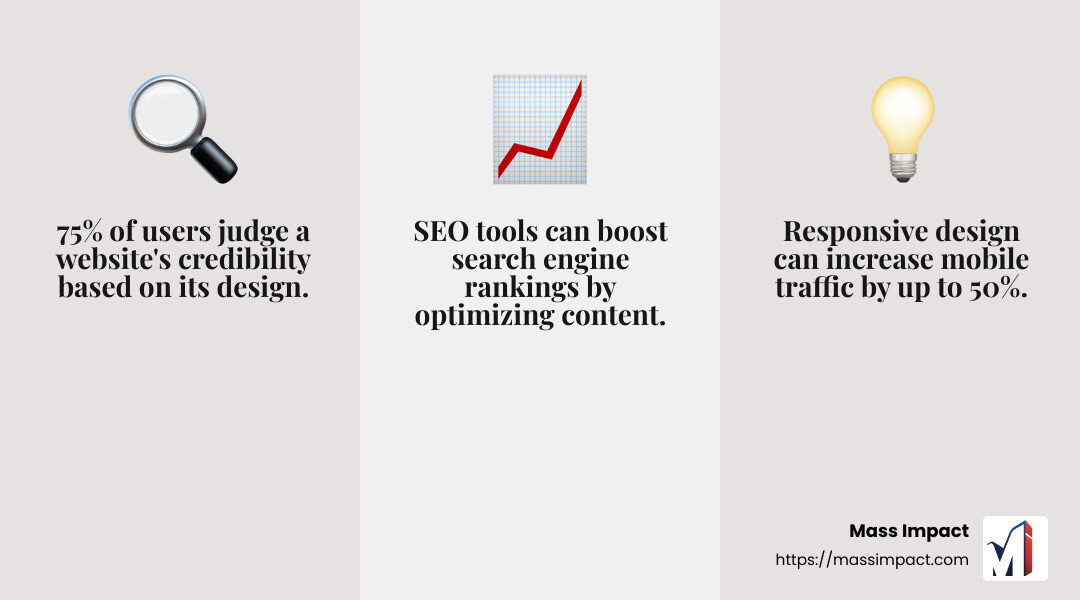
With mobile internet usage on the rise, responsive design is non-negotiable. It ensures your site looks great on any device, whether it’s a phone, tablet, or desktop.
- The benefit: Responsive sites improve user experience and can boost your search engine rankings.
4. SEO Tools
Built-in SEO tools are vital for getting your site noticed. These tools help you optimize your content to rank higher in search engine results.
- Key features: Look for keyword suggestions, meta tag editing, and automatic sitemap generation. These features make SEO more manageable and effective.
5. Social Media Integration
Social media integration helps you connect with your audience and expand your reach. It allows visitors to share your content easily and follow you on various platforms.
- Why integrate: Seamless social media links and sharing buttons can drive traffic and engagement, turning visitors into followers.
By focusing on these features, you can choose a website builder that makes creating and managing your creator web site a breeze. Next, we’ll explore the essential tools that can further improve your website building experience.
Essential Tools for Building a Creator Web Site
Building a creator web site can seem daunting, but with the right tools, it’s a manageable and even enjoyable process. Here are the essential tools you need:
Drag-and-Drop Editor
A drag-and-drop editor is like having a magic wand for your website. It allows you to construct your site by simply dragging elements like text, images, and buttons into place. No coding required.
- Why use it: It’s intuitive and saves time. You can see changes in real-time, making it easy to experiment with different layouts and designs.
SEO Tools
Search Engine Optimization (SEO) tools are crucial for getting your site noticed by search engines like Google. These tools help you optimize your site to appear higher in search results.
- Key features: Look for tools that offer keyword suggestions, meta tag editing, and performance analytics. These features can help you understand what works and what doesn’t, so you can adjust accordingly.
Social Media Integration
Social media integration is a must-have for any creator web site. It connects your site with your social media accounts, allowing visitors to share your content easily.
- Benefits: By adding social sharing buttons and embedding social feeds, you can increase engagement and drive more traffic to your site. This integration can turn casual visitors into loyal followers.
These tools are the building blocks of a successful creator web site. They simplify the process, improve functionality, and help you reach a wider audience. Next, we’ll answer some frequently asked questions about website creation to clear up any remaining doubts.
Frequently Asked Questions about Website Creation
Can I create my own website for free?
Absolutely! Many platforms offer free website builder options that allow you to start without spending a dime. These free plans often include basic features and a subdomain (e.g., yoursite.platform.com). While they are great for testing the waters or creating a simple web presence, they might display ads or the platform’s branding.
For more professional features like a custom domain or e-commerce tools, consider upgrading to a paid plan. Prices generally start from $12 to $50 per month, depending on your needs. This investment can significantly boost your online presence and credibility.
What does a website creator do?
A website creator is like a digital artist, combining technical skills with creative flair. They use tools like drag-and-drop editors to design and build websites without needing to write code. This role involves selecting visual elements like images, fonts, and colors to create an attractive and functional site.
Website creators also focus on user experience (UX), ensuring that visitors can easily