

Is the Foundation of a Successful Digital Marketing Strategy: Top 6 Best Practices
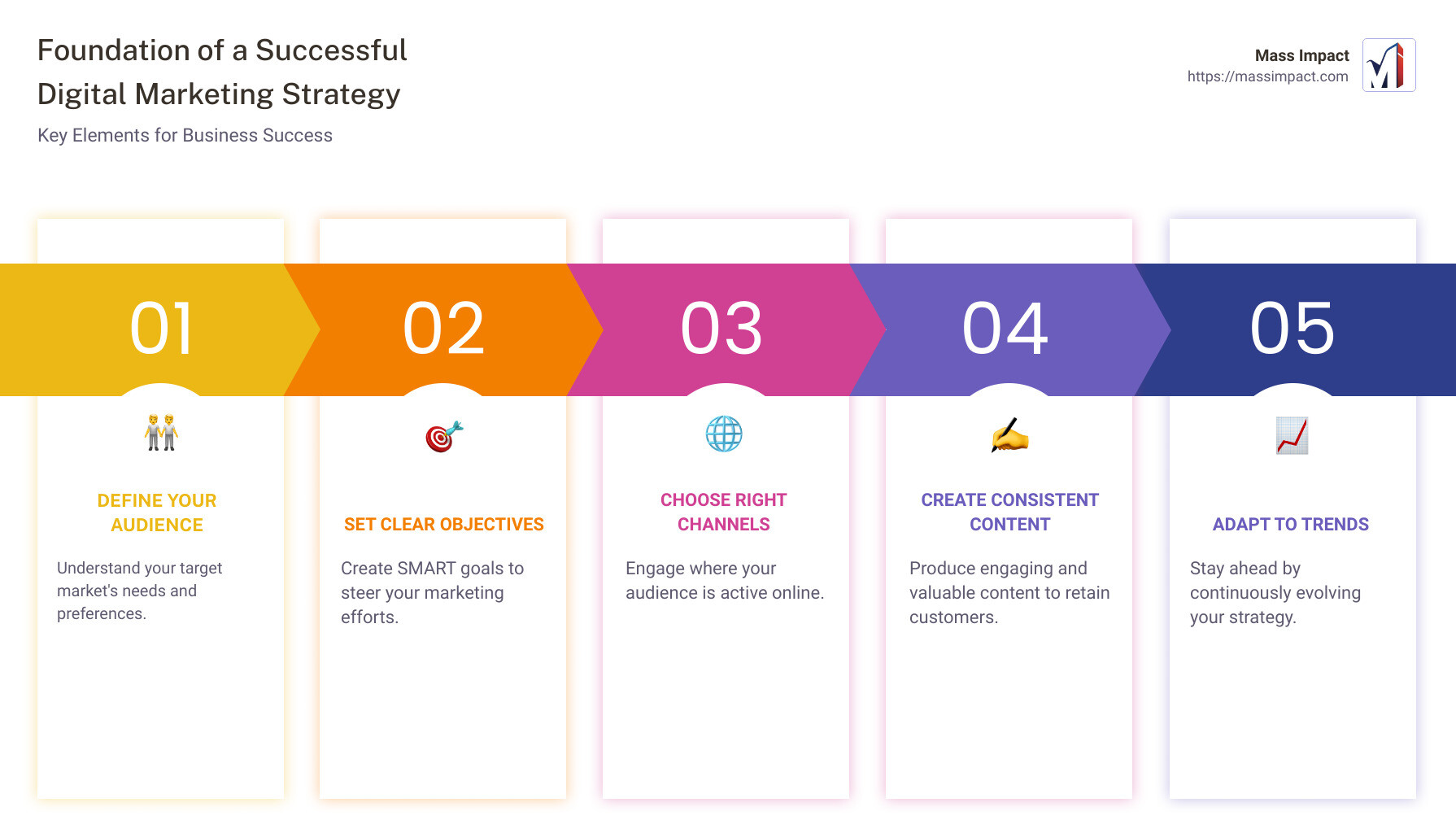
Is the foundation of a successful digital marketing strategy crucial for your business? Absolutely. Whether you are trying to increase brand visibility or drive sales, understanding the cornerstones of a robust digital marketing strategy can make all the difference. Here are the fundamental elements:
- Defining Your Audience: Know your target market inside out.
- Setting Clear Objectives: Establish SMART goals to guide your actions.
- Choosing the Right Channels: Identify where your audience spends their time online.
- Consistent Content Creation: Content remains king in engaging and retaining customers.
Digital marketing is no longer a mere option but a necessity in today’s fast-changing business landscape. Achieving success requires a clear strategy, even if resources are limited. From small businesses to large enterprises, the ability to precisely target your audience and adapt to new trends can distinguish you from the competition.
I’m Haiko de Poel Jr, and I’ve spent years diving into digital strategy, helping companies craft unique marketing plans that connect with their audiences. Throughout my career, I’ve seen how is the foundation of a successful digital marketing strategy can propel businesses to new heights. Now, let’s dig deeper into each element to uncover how these strategies can be custom to fit your specific needs.
Find more about is the foundation of a successful digital marketing strategy:
– digital marketing plan
– digital marketing strategies
– how to build a digital marketing strategy
Defining the Foundation of a Successful Digital Marketing Strategy
When building a successful digital marketing strategy, the first step is to establish clear and measurable goals. These goals will act as your roadmap, guiding every action and decision. Whether you aim to boost brand awareness, increase website traffic, or drive sales, your goals should be SMART: Specific, Measurable, Achievable, Relevant, and Time-bound. This approach helps you stay focused and measure progress effectively.
Defining Your Target Audience
Understanding your target audience is crucial. You need to know who your ideal customers are, what they like, and what challenges they face. This knowledge allows you to create personalized marketing efforts that resonate with your audience. For instance, if you’re targeting young professionals, your messaging and channels might differ from those aimed at retirees.
Segmentation and Differentiation
Once you know your audience, it’s time to segment them. Segmentation divides your audience into smaller groups based on shared characteristics like age, location, or buying behavior. This helps tailor your marketing messages to each group, making them more effective.
Differentiation is about setting your brand apart from competitors. What makes your product or service unique? Highlight these aspects in your marketing to attract your target audience’s attention. For example, if your product is eco-friendly, emphasize this feature to appeal to environmentally conscious consumers.

Putting It All Together
In summary, the foundation of a successful digital marketing strategy involves setting clear goals, knowing your audience, and effectively segmenting and differentiating your brand. These elements work together to create a robust strategy that can adapt to changing market conditions and consumer preferences.
Now, let’s explore the key components that build on this foundation to improve your digital marketing efforts.
Key Components of Digital Marketing Strategies
Once you’ve laid the foundation with clear goals and a keen understanding of your audience, it’s time to dig into the key components of a digital marketing strategy. These components are the building blocks that will help you achieve your objectives and drive success.
Website Optimization
Your website is often the first point of contact with potential customers, so it needs to be in tip-top shape. Website optimization involves improving various elements of your site to improve user experience and performance. This includes:
-
Ensuring fast load times: A slow website frustrates users and can lead to high bounce rates. Tools like Google PageSpeed Insights can help identify areas for improvement.
-
Creating a user-friendly design: Navigation should be intuitive, allowing visitors to find what they need quickly. A clean layout with clear calls-to-action (CTAs) is essential.
-
Mobile responsiveness: With more people using mobile devices, your site must look great and function well on all screen sizes.
Search Engine Optimization (SEO)
SEO is the foundation of a successful digital marketing strategy because it improves your website’s visibility on search engines like Google. When done right, SEO can drive organic traffic and attract qualified leads. Key SEO practices include:
-
Keyword research: Identify the terms your audience is searching for and incorporate them naturally into your content.
-
On-page SEO: Optimize individual pages by using meta tags, headers, and internal linking.
-
Off-page SEO: Build authority through backlinks from reputable sites.
Social Media Marketing
Social media platforms like Facebook, Instagram, and Twitter offer unique opportunities to engage with your audience. Social media marketing allows you to:
-
Build brand awareness: Share content that reflects your brand’s voice and values.
-
Engage with your audience: Respond to comments, messages, and mentions to foster a sense of community.
-
Run targeted ads: Use detailed targeting options to reach specific demographics.
Email Marketing
Email marketing remains a powerful tool for nurturing leads and maintaining customer relationships. With email marketing, you can:
-
Send personalized content: Tailor messages based on subscriber behavior and preferences.
-
Automate campaigns: Use tools like MailChimp to schedule and automate emails, ensuring timely delivery.
-
Measure results: Track open rates, click-through rates, and conversions to refine your strategy.
These components—website optimization, SEO, social media marketing, and email marketing—are crucial for a comprehensive digital marketing strategy. By integrating these elements, you can create a cohesive plan that drives traffic, engages your audience, and ultimately, achieves your business goals.
Next, we’ll dive into the role of content in enhancing your digital marketing strategy.
The Role of Content in Digital Marketing
Content is the foundation of a successful digital marketing strategy. It attracts, engages, and converts your audience. But how do you make your content work for you?
Content Optimization
Optimizing content is about making it easy to find, consume, and act upon. To start, ensure your content is aligned with what your audience is searching for. Use keyword research tools to find popular search terms related to your industry. Incorporate these naturally into your content. This not only boosts your SEO but also ensures your content is relevant to your audience’s needs.
Next, consider the format. People consume content in different ways. Some prefer reading, while others might like videos or infographics. Offering a mix can increase your reach.
Lastly, always include a clear call-to-action (CTA). Whether it’s signing up for a newsletter or downloading a guide, guide your audience on what to do next.
Engaging Your Audience
Engagement is not just about clicks and views. It’s about building a relationship with your audience. Create content that speaks to their interests, answers their questions, and solves their problems. This could be through blog posts, videos, or even interactive content like quizzes.
Take a page from Dutch airline KLM, which engages with its audience by replying to over 93% of tweets directed at them. This approach not only builds trust but also fosters a sense of community.
Encourage your audience to interact with your content by asking questions, inviting comments, or hosting live sessions. The more engaged they are, the more likely they are to become loyal customers.
Crafting Effective Calls-to-Action
A call-to-action is a prompt for your audience to do something. It’s the bridge between engagement and conversion. Make your CTAs clear, concise, and compelling. Use action-oriented language like “Download Now,” “Sign Up Today,” or “Learn More.”
Place your CTAs strategically within your content. They should be visible, but not intrusive. Consider using buttons or highlighted text to make them stand out.
Every piece of content should have a purpose. Whether it’s driving traffic, generating leads, or boosting sales, your CTA should guide your audience toward that goal.
By focusing on content optimization, engagement, and effective CTAs, you can harness the power of content to improve your digital marketing strategy.
Next, we’ll explore the importance of mobile responsiveness in reaching your audience wherever they are.
The Importance of Mobile Responsiveness
Mobile adaptation is the foundation of a successful digital marketing strategy. With more people using smartphones and tablets to access the internet, ensuring your digital presence is mobile-friendly is not just optional—it’s essential.
Mobile Adaptation
Mobile adaptation means making sure your website and digital content look great and work well on any device. This involves using responsive design techniques that automatically adjust the layout based on the screen size. A mobile-adapted site ensures that users can easily read text, view images, and steer without pinching or zooming.
Fact: By the end of 2013, over half of all emails were opened on mobile devices. This trend has only grown, highlighting the need for mobile-friendly designs.
User Experience
A seamless user experience (UX) is crucial for keeping visitors on your site. If your website is slow or hard to steer on a phone, users will likely leave.
To improve UX, optimize images and reduce load times. Use touch-friendly design elements like larger buttons and easy-to-click links. This not only makes your site more accessible but also encourages users to stay longer and explore more.
Example: A touch-friendly design helped a company reduce bounce rates and incre