

Digital Ads Management: Top 10 Best Practices 2024
In the fast-evolving world of marketing, digital ads management is crucial for businesses striving to capture their audience online. This practice not only entails managing and optimizing your ad campaigns but also ensures you’re reaching the right people at the right time.
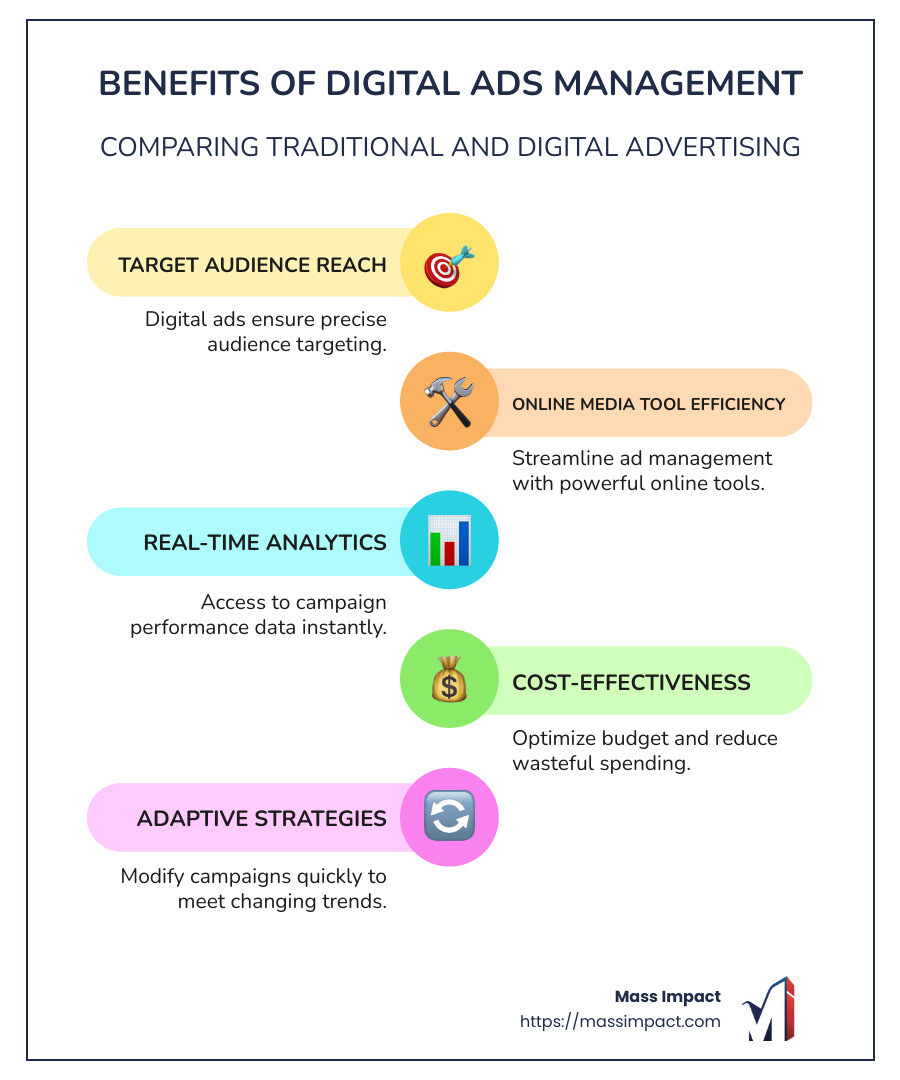
- Digital advertising aims to connect with potential customers via platforms like Google and social media.
- Online media tools streamline this process, allowing for precise audience targeting.
- Your target audience is the key demographic you’re trying to reach with your ads.
Mastery of these elements can greatly improve your business visibility and ROI.
I am Haiko de Poel Jr, a Fractional Chief Marketing Officer at the helm of digital innovation. With a rich background in digital ads management, I fuse creativity with strategic insights to propel brands to new heights, ensuring your digital campaigns are not just seen but remembered.
Know your digital ads management terms:
– adwords management consultants
– ppc management consultant
What is Digital Ads Management?
Digital ads management is the art and science of overseeing online advertising campaigns to ensure they run smoothly and effectively. It’s about making sure your ads reach the right people and achieve your business goals.
The Role of Online Media Tools
Online media tools are essential in digital ads management. They help automate and streamline various tasks, from campaign planning to execution and analysis. Platforms like HubSpot and Google Ads offer features that simplify complex processes, making it easier to manage multiple campaigns across different channels.
These tools provide insights into your campaigns’ performance, allowing you to adjust strategies in real-time. This adaptability is crucial in today’s digital world, where consumer preferences can shift quickly.
Understanding Your Target Audience
A key component of successful digital ads management is knowing your target audience. This means identifying who your potential customers are and understanding their needs, preferences, and online behavior. Tools like Google Analytics can help gather this data, enabling you to tailor your ads to resonate with your audience.
By targeting the right people, you increase the chances of your ads leading to conversions, whether that’s a sale, a sign-up, or another desired action.
Delivering Higher Quality Service
Effective digital ads management leads to a higher quality service for your audience. By using precise targeting and engaging content, you create a better experience for your potential customers. They see ads that are relevant to their interests and needs, which increases the likelihood of positive engagement.
Furthermore, by continuously analyzing and optimizing your campaigns, you ensure that your advertising efforts remain effective and efficient, providing better value for your ad spend.
In summary, digital ads management combines strategic planning with the use of advanced tools to reach and engage your target audience effectively. This approach not only improves your advertising efforts but also lifts your overall service quality, leading to better business outcomes.
Types of Digital Advertising
Digital advertising encompasses various strategies to connect with audiences online. Each type has unique benefits and can be custom to meet specific business goals. Here’s a breakdown of the key types of digital advertising:
1. Affiliate Marketing
Affiliate marketing involves partnering with individuals or other businesses to promote your products. Affiliates earn a commission for each sale or lead they generate through their marketing efforts. This strategy is popular because it allows businesses to expand their reach without upfront costs.

2. Content Marketing
Content marketing focuses on creating valuable and engaging content to attract and retain a clearly defined audience. By producing blog posts, videos, podcasts, and more, businesses can build trust and authority in their industry. This type of marketing is about storytelling and providing information that resonates with your audience.
3. Email Marketing
Email marketing remains a powerful tool for reaching customers directly. By sending personalized messages, businesses can nurture relationships, promote products, and encourage engagement. It’s highly measurable, allowing marketers to track open rates, click-through rates, and conversions.
4. Marketing Analytics
Marketing analytics involves collecting and analyzing data from various advertising efforts to improve decision-making. By understanding which campaigns are performing well and why, businesses can optimize their strategies and allocate resources more effectively.
5. Mobile Marketing
With the rise of smartphones, mobile marketing has become essential. This type of advertising targets users on their mobile devices through apps, mobile websites, and SMS. It’s crucial for reaching people on the go and providing a seamless experience across all devices.
6. Pay-Per-Click (PPC)
PPC advertising allows businesses to place ads on search engines and other platforms. Advertisers pay a fee each time their ad is clicked. PPC is highly targeted and can drive immediate traffic to your website. Google Ads is one of the most popular platforms for PPC campaigns.
7. Search Engine Optimization (SEO)
SEO improves your website’s visibility in search engine results. By optimizing your content for relevant keywords, you can attract organic traffic from users searching for products or services like yours. SEO is a long-term strategy that improves your online presence and credibility.
8. Social Media Marketing
Social media marketing uses platforms like Facebook, Instagram, and LinkedIn to engage with audiences. It’s about creating content that encourages interaction and sharing. Social media is excellent for building brand awareness and fostering community engagement.
By leveraging these types of digital advertising, businesses can create comprehensive strategies that reach their target audience effectively. Each type offers unique advantages and can be integrated to maximize impact and achieve business goals.
Essential Tools for Digital Ads Management
Managing digital ads effectively requires the right tools and software. These tools help streamline the process and ensure your campaigns are successful. Let’s explore some of the essential tools for digital ads management.
AdRoll
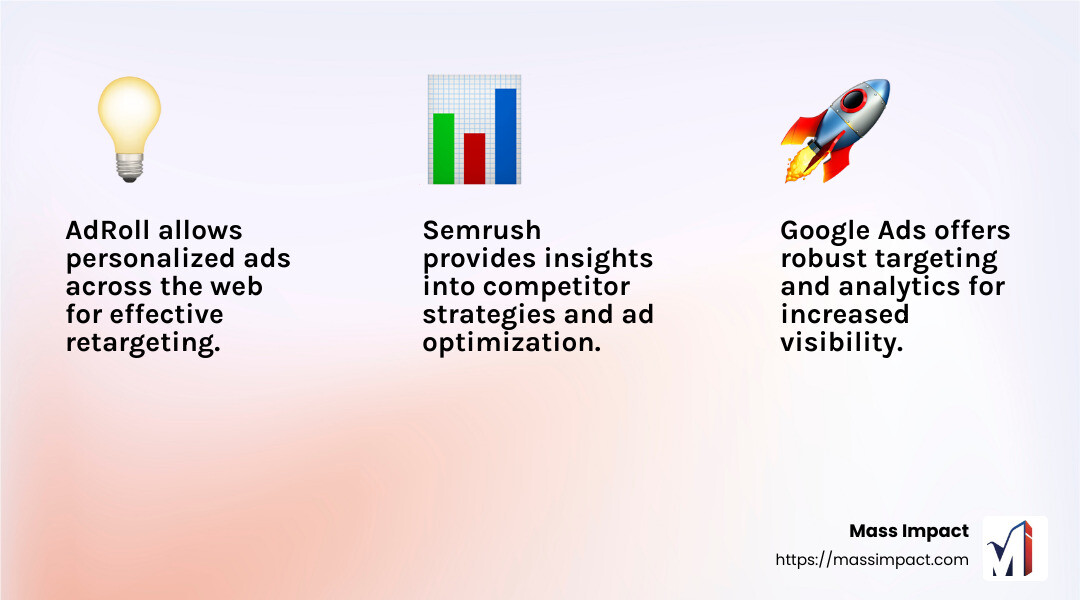
AdRoll is a powerful platform for retargeting and display advertising. It allows you to reach potential customers who have previously interacted with your brand. With AdRoll, you can create personalized ads that follow users across the web, reminding them of your products and encouraging them to return and complete a purchase.
HubSpot
HubSpot offers a comprehensive suite of marketing tools, including ad management. It’s particularly beneficial for integrating advertising efforts with other marketing activities. HubSpot’s platform allows you to create, manage, and analyze your ad campaigns all in one place, ensuring a seamless experience.
Google Ads
Google Ads is a cornerstone of digital advertising. It enables businesses to display ads on Google’s search engine and its vast network of partner sites. With robust targeting options and detailed analytics, Google Ads helps you reach the right audience at the right time. It’s an essential tool for any business looking to increase visibility and drive traffic.
Semrush
Semrush is a versatile tool known for its SEO capabilities, but it’s also invaluable for managing digital ads. It offers insights into competitor strategies, keyword research, and ad performance. By utilizing Semrush, you can optimize your campaigns to achieve better results and gain a competitive edge.
Celtra Inc.
Celtra Inc. specializes in creative automation for digital advertising. It streamlines the ad creation process, making it easier to produce high-quality, engaging ads. Celtra’s platform supports collaboration among team members, allowing for efficient design and approval workflows. This tool is particularly useful for businesses looking to improve their ad creative without sacrificing speed or quality.
Ad Management Software
Ad management software is crucial for overseeing and optimizing ad campaigns. These tools automate various aspects of advertising, from planning and execution to monitoring and analysis. They help marketers save time and improve efficiency, allowing them to focus on strategy and creativity. With the right ad management software, you can ensure your campaigns are well-organized and aligned with your business goals.
By leveraging these tools, businesses can improve their digital ads management and achieve better results. Each tool offers unique features that cater to different aspects of advertising, from creative production to detailed analytics. Integrating these tools into your strategy can lead to more effective campaigns and a higher return on investment.
Best Practices for Digital Ads Management
When managing digital ads, follow best practices to maximize success. Here are some key strategies to consider:
Customize Campaigns
Tailor your ad campaigns to fit the needs and preferences of your target audience. Personalization can significantly boost engagement and conversion rates. Use data from past campaigns to refine your approach and create more relevant ads.
Performance Goals
Set clear and measurable performance goals. Whether it’s increasing website traffic, boosting sales, or generating leads, having specific objectives helps you track success and make necessary adjustments. Regularly review these goals to ensure they align with your business strategy.
Budget Management
Effective budget management is crucial. Allocate your budget wisely across different platforms and campaigns. Monitor spending to avoid overspending and ensure you’re getting the best return on investment. Tools like Google Ads offer insights into budget performance, helping you make informed decisions.
Ad Creative Control
Maintain control over your ad creative to ensure it aligns with your brand message. High-quality visuals and compelling copy are vital for capturing attention. Use tools like Celtra Inc. to streamline the creative process and maintain consistency across all ads.
Targeting and Geo-Targeting
Precise targeting is key to reaching the right audience. Use advanced targeting options to focus on demographics, interests, and behaviors. Geo-targeting allows you to display a