What is PPC Advertising: 2024 Guide for Beginners
What is PPC advertising? It’s a type of online marketing where businesses only pay when their ad is clicked. Simple, right? PPC ads show up on search engines, social media, and even on websites you visit. It’s one of the quickest ways to get your brand in front of people.
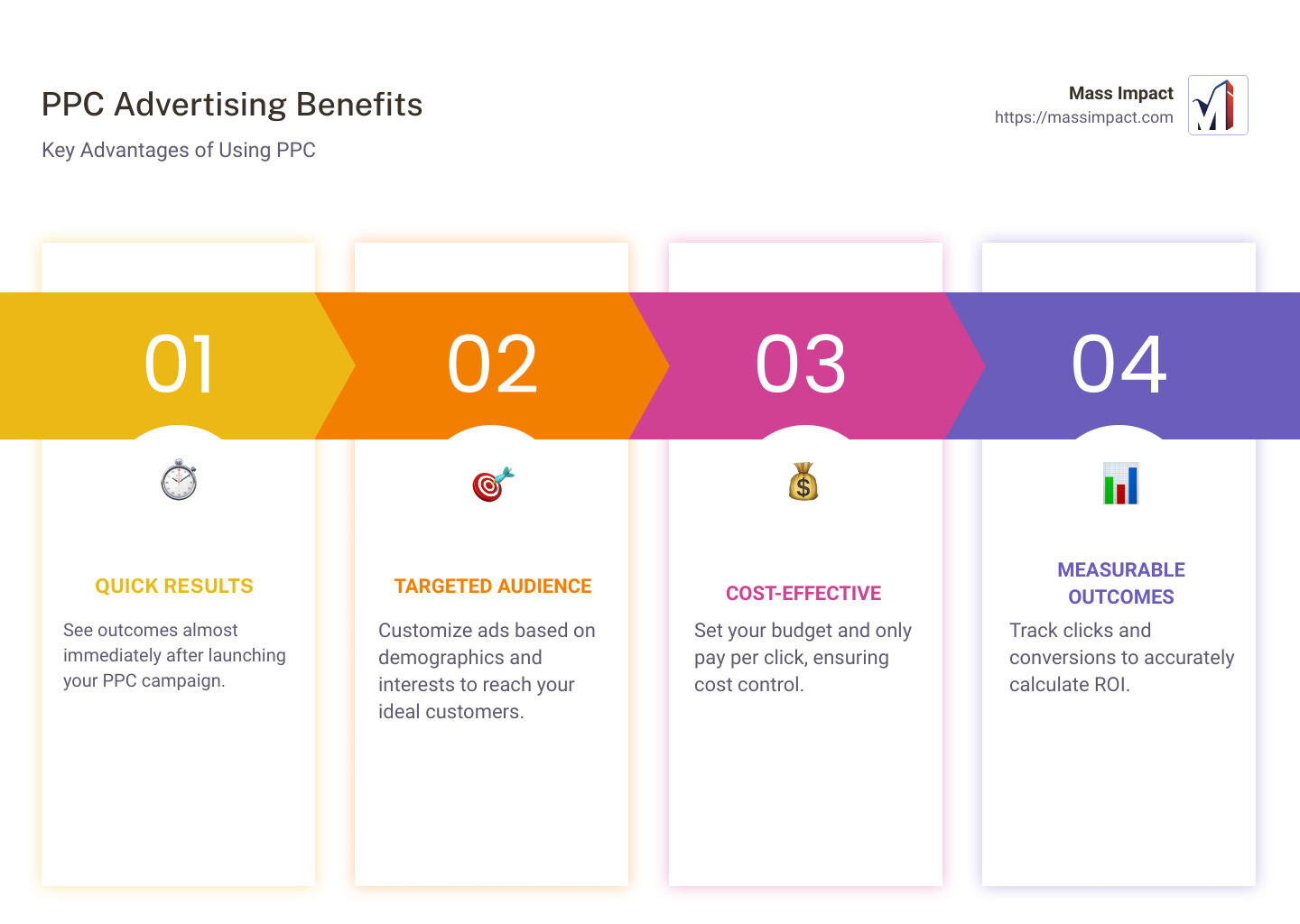
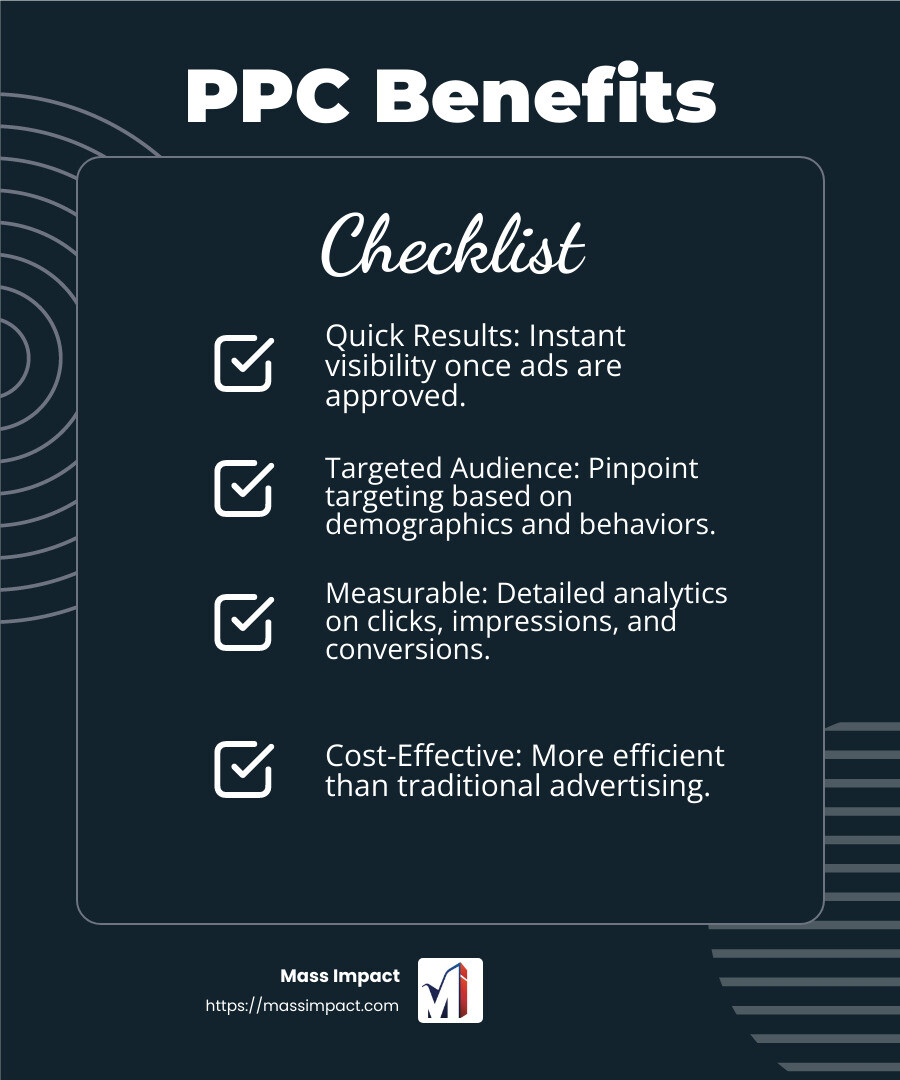
- Quick Results: With PPC, see results almost immediately after launching your campaign.
- Targeted Audience: Tailor your ads to reach exactly who you want, based on interests and demographics.
- Cost-Effective: You set the budget and only pay per click, making it budget-friendly.
- Measurable: Track every click and see the direct outcome, which allows for precise ROI calculations.
Pay-per-click advertising is not just a trend; it’s a key digital marketing tool for any business aiming to boost their online presence. Whether you’re a small local business or a large international corporation, PPC offers a strategic approach to attract and convert your target audience. The benefits are clear: you can drive fast traffic, manage costs effectively, and measure your success in real-time. As Rand Fishkin would emphasize, the power of PPC lies in its ability to bring your business to the right people at the right moment.
I’m Haiko de Poel Jr, a seasoned digital strategist, here to guide you through the ins and outs of what is PPC advertising. My journey has been about harmonizing creativity with strategy to shape effective advertising campaigns for dynamic online markets. As we dig deeper, you’ll gain insights into leveraging PPC to boost your brand’s digital footprint.
Basic what is ppc advertising terms:
– pay per click marketing
– pay per click remarketing services
– pay per click consulting services
What is PPC Advertising?
Pay-Per-Click (PPC) advertising is a powerful online marketing tool where advertisers pay a fee each time their ad is clicked. This model allows businesses to place their ads on search engines, social media platforms, and websites, targeting audiences who are likely to be interested in their products or services.
PPC vs. SEM vs. SEO
While these terms often get mixed up, they each have distinct roles in digital marketing:
-
PPC is a form of online advertising where businesses pay for every click on their ads. It’s all about quick, paid traffic.
-
SEM (Search Engine Marketing) is a broader term that encompasses both PPC and SEO. It includes all strategies to increase a site’s visibility on search engines, whether through paid ads or organic methods.
-
SEO (Search Engine Optimization) focuses on optimizing a website to rank higher in organic search results. Unlike PPC, SEO is about earning traffic without paying for clicks, using techniques like keyword optimization and quality content creation.
Types of PPC Ads
PPC isn’t limited to one format. Here’s a quick look at the different types of PPC ads:
-
Search Ads: These appear at the top of search engine results pages. Businesses bid on keywords, and their ads are shown when users search for those terms. Google Ads is a prime example of this.
-
Display Ads: These are visual ads that appear on websites across the internet. They can be banner ads, images, or rich media, designed to catch the eye of the viewer.
-
Video Ads: These ads use video content to engage users and can appear on platforms like YouTube. They can be skippable or non-skippable, depending on the advertiser’s choice.
-
Remarketing: This strategy targets users who have previously interacted with a website or app, showing them ads as they browse other sites. It’s a way to remind them of your brand and encourage them to return.
-
Social Media Ads: These ads appear on platforms like Facebook, Instagram, and LinkedIn. They are targeted based on user demographics, interests, and behaviors, making them highly effective for reaching specific audiences.
Each type of ad has its strengths and can be used strategically to achieve different marketing goals. For instance, search ads are great for capturing intent-driven traffic, while display ads are ideal for building brand awareness.
PPC advertising offers a versatile and effective way to reach potential customers, driving traffic and conversions across various platforms and formats. Whether you’re aiming to increase brand visibility or boost sales, understanding the nuances of PPC can significantly improve your digital marketing strategy.
How Does PPC Advertising Work?
Setting Up a PPC Campaign
Creating a successful PPC campaign involves several steps, each crucial for maximizing your return on investment. Here’s a simple breakdown:
-
Define Your Target Audience and Goals: Start by identifying who you want to reach. Consider demographics like age, location, and interests. Set clear goals—whether it’s increasing website traffic, generating leads, or boosting sales.
-
Conduct Keyword Research: Keywords are the backbone of PPC. Use tools like Google’s Keyword Planner to find terms your audience is searching for. Long-tail keywords (more specific search terms) often have less competition and can be more cost-effective.
-
Craft Compelling Ad Copy: Your ad copy should grab attention and include a strong call-to-action. Make sure it aligns with the keywords you’re targeting and speaks directly to your audience’s needs.
-
Choose the Right Ad Platforms: Decide where your ads will appear. Google Ads is popular for search ads, while Facebook Ads are great for social media targeting. Each platform has unique strengths, so choose based on your audience and goals.
-
Set Your Bidding Strategy: In PPC, you bid on keywords to determine ad placement. You can choose manual bidding, where you set your bids, or automated bidding, which adjusts bids to meet your goals.
-
Launch and Monitor Your Campaign: Once your campaign is live, keep a close eye on its performance. Use metrics like click-through rate (CTR) and conversion rate to assess effectiveness.
Optimization is key to a successful PPC strategy. Here’s how to keep your campaigns running smoothly:
-
Monitor Performance Metrics: Regularly check metrics like CTR, cost-per-click (CPC), and conversion rate. These insights help you understand what’s working and what needs adjustment.
-
Adjust Bids and Budgets: Based on performance, tweak your bids and budgets. Increase bids on high-performing keywords and reduce or pause bids on underperforming ones.
-
Refine Keyword Lists: Continuously update your keywords. Add new ones that show promise and remove those that don’t deliver results. Consider using negative keywords to filter out irrelevant traffic.
-
Test Ad Variations: Experiment with different ad copies and formats. A/B testing helps identify the most effective ads, allowing you to optimize for better results.
-
Implement Conversion Tracking: Use tools like Google Analytics to track conversions. This data shows how users interact with your site post-click, helping you refine your strategy for better ROI.
-
Focus on Quality Score: Google uses Quality Score to evaluate ad relevance and user experience. A higher score can lower your CPC and improve ad placement.
By continuously monitoring and optimizing your PPC campaigns, you can ensure they remain cost-effective and aligned with your marketing goals. PPC is not a set-it-and-forget-it strategy; it requires ongoing attention and adjustment to succeed.
Why is PPC Important?
Pay-per-click (PPC) advertising is a powerful tool for businesses looking to make a big impact with their marketing efforts. But why is it so important? Let’s break it down into a few key benefits:
Quick Results
One of the standout features of PPC advertising is its ability to deliver quick results. Unlike SEO, which can take months to show significant improvements, PPC ads can drive traffic to your site almost immediately. Once your ads are approved, they can start appearing on platforms like Google and Facebook, giving you instant visibility. This makes PPC ideal for time-sensitive promotions or product launches.
Targeted Audience
PPC allows you to hone in on your specific audience with pinpoint accuracy. You can target users based on demographics like age, gender, location, and even interests and behaviors. For example, if you’re selling hiking gear, you can target outdoor enthusiasts in specific regions. This level of targeting ensures your ads reach the people most likely to convert, making your marketing efforts more efficient.
Measurable and Trackable
With PPC, you can easily measure and track the success of your campaigns. Platforms like Google Ads provide detailed analytics, allowing you to see how many clicks, impressions, and conversions your ads are generating. This data helps you understand your campaign’s ROI and make informed decisions about future strategies.
Cost-Effective
PPC advertising can be more cost-effective than traditional advertising methods. You only pay when someone clicks on your ad, ensuring your budget is spent on interested users. Plus, you have control over your spending, allowing you to set daily or monthly budgets to avoid overspending.
Branding
Even if users don’t click on your ads, they still see them. This boosts brand visibility and awareness. Over time, repeated exposure can lead to higher brand recall. Think of it as free advertising—you only pay when someone clicks, but many more people will see your ad without costing you a penny.
Complementing SEO
PPC is a great complement to your SEO efforts. While SEO focuses on long-term organic growth, PPC provides immediate traffic. This is especially useful when launching a new product or service and needing quick visibility. Together, PPC and SEO create a robust digital marketing strategy that covers both short-term and long-term goals.
By leveraging these benefits, you can create a PPC strategy that not only drives immediate traffic but also supports your overall marketing objectives. Now, let’s explore the top platforms where you can run your PPC campaigns.
Top PPC Advertising Platforms
When it comes to PPC advertising, choosing the right platform can make all the difference. Here’s a look at some of the top players in the field:
Google Ads
Google Ads is the heavyweight champion of PPC advertising. It’s the largest and most popular platform, reaching billions of users worldwide. Businesses can create ads that appear on Google search results, YouTube, and other Google partner sites.
-
Search Engine: Google Ads excels in search advertising. By bidding on keywords, you can get your ads displayed at the top of search results. This is crucial for capturing users actively searching for your products or services.
-
Bidding: Google uses an auction system for ad placement. You bid on keywords, and the highest bidder with a good quality score wins the ad placement.
-
Ad Formats: Google offers a variety of ad formats, including text, display, shopping, and video ads. This flexibility allows you to tailor your campaign to suit different marketing goals.
-
Quality Score: Google evaluates your ad’s relevance and quality, known as the Quality Score. A higher score can lead to lower costs and better ad positions.
Facebook Ads
Facebook Ads offers a powerful way to reach users on social media. With over two billion active users, Facebook provides a massive audience for your ads.
-
Social Media Targeting: Facebook allows you to target users based on demographics, interests, and behaviors. This lets you reach a highly specific audience, increasing the chances of conversion.
-
Ad Formats: From image and video ads to carousel and collection ads, Facebook offers diverse formats to engage users. You can choose the format that best suits your campaign objectives.
-
Algorithm: Facebook’s algorithm helps optimize ad delivery by showing your ads to the people most likely to engage with them, improving your ROI.
Instagram Ads
Instagram Ads, managed through Facebook’s platform, offers visually appealing ad formats that blend seamlessly into users’ feeds.
-
Visual Engagement: Instagram is perfect for businesses with strong visual content. You can use photo, video, and story ads to capture attention.
-
Targeting: Similar to Facebook, Instagram offers detailed targeting options to ensure your ads reach the right audience.
Microsoft Advertising
Formerly known as Bing Ads, Microsoft Advertising is a solid alternative to Google Ads, especially for reaching users who prefer Bing as their search engine.
-
Search Engine Ads: Like Google, Microsoft Advertising allows you to bid on keywords and display ads on Bing search results.
-
Lower Competition: With less competition than Google, you might find lower CPCs and a different audience demographic.
TikTok Ads
TikTok Ads are relatively new but gaining traction fast, especially among younger audiences.
-
Viral Content: TikTok’s format encourages creative and engaging content, perfect for brands looking to leverage viral trends.
-
Targeting Options: You can target users based on interests, behaviors, and even specific hashtags.
LinkedIn Ads
LinkedIn Ads are ideal for B2B marketing, allowing you to target professionals based on their industry, job title, and more.
-
Professional Audience: LinkedIn is the go-to platform for reaching business professionals and decision-makers.
-
Ad Formats: Choose from sponsored content, message ads, and dynamic ads to engage your audience.
Twitter Ads
Twitter Ads offer a unique way to engage with users through promoted tweets and trends.
-
Real-Time Engagement: Twitter is great for real-time campaigns and interacting with users as events unfold.
-
Targeting: You can target users based on interests, followers, and keywords.
Each platform offers unique advantages, so consider your audience and goals when choosing where to run your PPC campaigns. Whether you aim to capture search traffic or engage on social media, there’s a platform that fits your needs.
Frequently Asked Questions about PPC Advertising
What is PPC advertising in marketing?
PPC advertising, or pay-per-click advertising, is a marketing model where advertisers pay a fee each time their ad is clicked. It’s a way of buying visits to your site, rather than attempting to earn those visits organically. This model is popular because it allows businesses to target specific audiences and control their budget effectively.
PPC ads can appear on search engines, websites, and social media platforms. They can be in various formats such as text, images, or videos, depending on the platform and the advertiser’s goals. This type of advertising is crucial for driving traffic and generating leads quickly.
What is an example of a PPC?
A common example of PPC is Google Ads. When you search for something on Google, you might notice ads at the top of the search results. These ads are placed through a PPC model. Advertisers bid on keywords related to their products or services. If their bid is high enough and their ad is of good quality, their ad will appear when users search for those keywords.
For instance, if a shoe retailer bids on the keyword “running shoes,” their ad might appear when someone searches for that term. The retailer pays Google each time someone clicks on their ad, which ideally leads to a sale.
What is PPC vs Google Ads?
While PPC is the advertising model, Google Ads is one of the platforms that use this model. Google Ads allows businesses to create ads that appear on Google’s search engine and other Google properties. It’s one of the most popular PPC platforms because of Google’s vast reach and the detailed targeting options it offers.
In Google Ads, advertisers participate in keyword bidding to determine where their ads will appear on the search results page. The platform uses an auction system that considers both the advertiser’s bid and the ad’s quality score to decide the ad’s placement.
Understanding the difference between the PPC model and a platform like Google Ads is essential for businesses looking to leverage online advertising effectively. PPC is the broader concept, while Google Ads is a specific tool that uses this concept to help businesses reach their target audiences.
This clear separation helps businesses choose the right tools and strategies to meet their marketing objectives.
Conclusion
In the changing landscape of digital marketing, PPC advertising stands out as a powerful tool for businesses seeking to improve their online presence. From Google Ads to social media platforms like Facebook and Instagram, PPC offers a dynamic way to reach targeted audiences, drive immediate traffic, and effectively manage advertising budgets.
At Mass Impact, located in Jacksonville, Florida, we specialize in crafting custom digital marketing strategies that leverage the full potential of PPC. Our expertise extends beyond PPC, encompassing SEO web design, social media management, and graphic design. These services work together to create a cohesive online presence that sets businesses apart from their competition.
Our team understands that every click counts. We focus on delivering measurable results that translate into real-world success. By integrating creative solutions with data-driven strategies, we help businesses not only reach but exceed their marketing goals.
Ready to lift your digital marketing efforts? Find how Mass Impact can help you achieve your business goals. Let’s create something amazing together!