
Social media training is essential for anyone looking to maximize their online presence. Whether you’re a business owner, marketer, or entrepreneur, understanding how to steer different platforms can lift your brand and increase engagement.
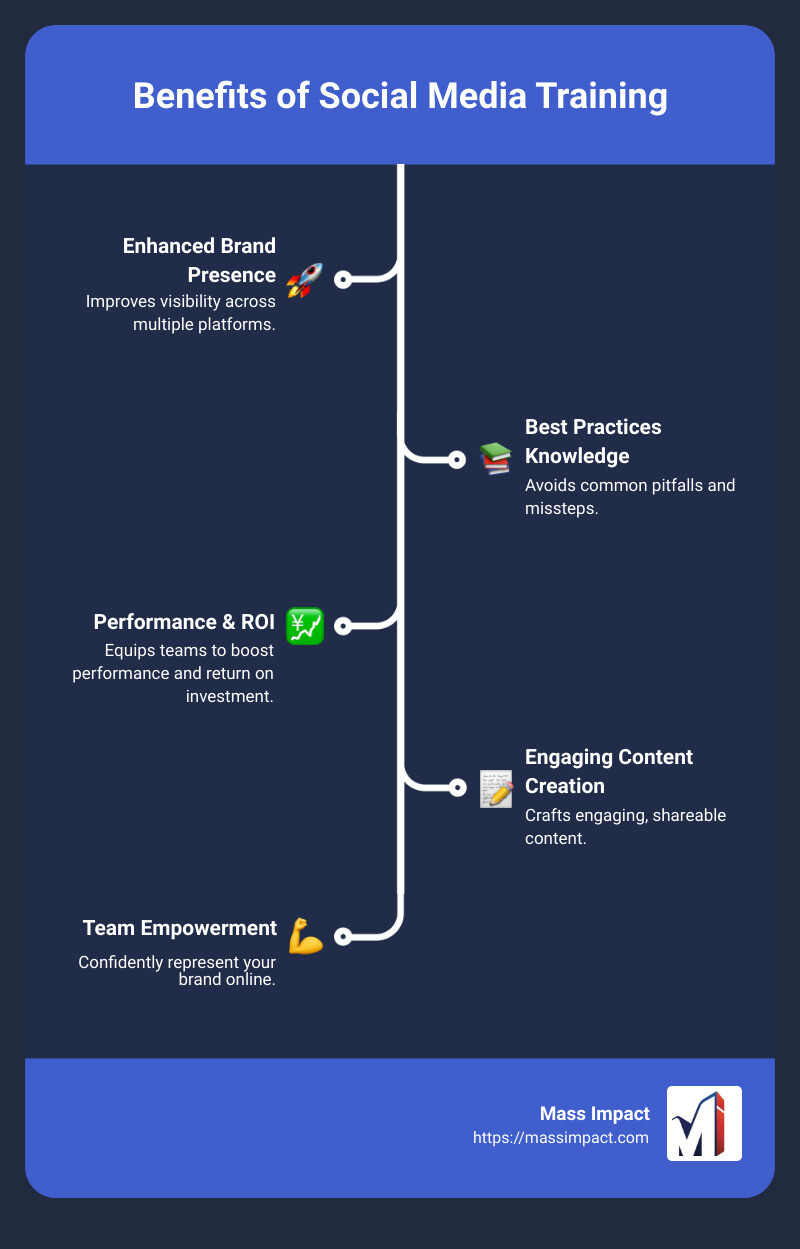
Here’s a quick overview of why social media training is important:
- Improves brand presence across platforms
- Provides knowledge on best practices to avoid missteps
- Equips teams with the tools to improve performance and ROI
- Helps in crafting engaging and shareable content
The world of social media is constantly evolving, and having up-to-date skills is more critical than ever. Companies like Mass Impact offer robust courses covering everything from social media policy to advanced marketing strategies. By investing in these courses, you ensure your company’s social media efforts are both effective and secure.
With social media training, you also empower your team to confidently represent your brand online, avoiding potentially costly mistakes. It’s not just about gaining followers; it’s about thoughtful engagement and strategic planning.
I’m Haiko de Poel Jr, and I specialize in digital marketing and social media strategies. With experience in training teams and guiding companies through digital change, I know the impact effective training can have on your brand’s online success.
Key social media training vocabulary:
What Does Social Media Training Include?
Social media training isn’t just about learning to use Facebook, Instagram, or Twitter. It’s about mastering best practices, creating engaging content, understanding audience engagement, and measuring performance effectively. Let’s break it down.
Best Practices
Best practices are the foundation of any successful social media strategy. They help ensure you’re not violating platform guidelines and maintain a professional image.
Why are best practices important?
- Avoiding pitfalls: Knowing what not to do can save you from disastrous mistakes. Remember the “Dirty Dominos Pizza” incident? Proper training could have prevented it.
- Maintaining professionalism: Consistent, ethical behavior online builds trust and credibility.
Engaging Content
Creating engaging content is crucial for capturing your audience’s attention. Here are some tips:
- Know Your Audience: Tailor your content to meet their interests.
- Use Visuals: Images and videos are more engaging than text alone.
- Tell Stories: Stories are memorable and can connect emotionally with your audience.
- Be Consistent: Maintain a consistent brand voice and posting schedule.
Audience Engagement
Audience engagement goes beyond likes and shares. It’s about building a community and fostering meaningful interactions. Here’s how:
- Respond promptly: Quick responses show you value your audience’s time.
- Ask questions: Encourage discussions to boost engagement.
- Host live sessions: Real-time interactions can greatly improve engagement.
Performance Measurement
Measuring your social media performance is essential to understand what’s working and what needs improvement. Here’s a simple way to do it:
- Set clear goals: Define what success looks like for your campaigns.
- Track relevant metrics: Use tools like Buffer or Hootsuite to monitor engagement rates, reach, and conversions.
- Analyze data: Compare data over time to identify trends and adjust your strategy accordingly.
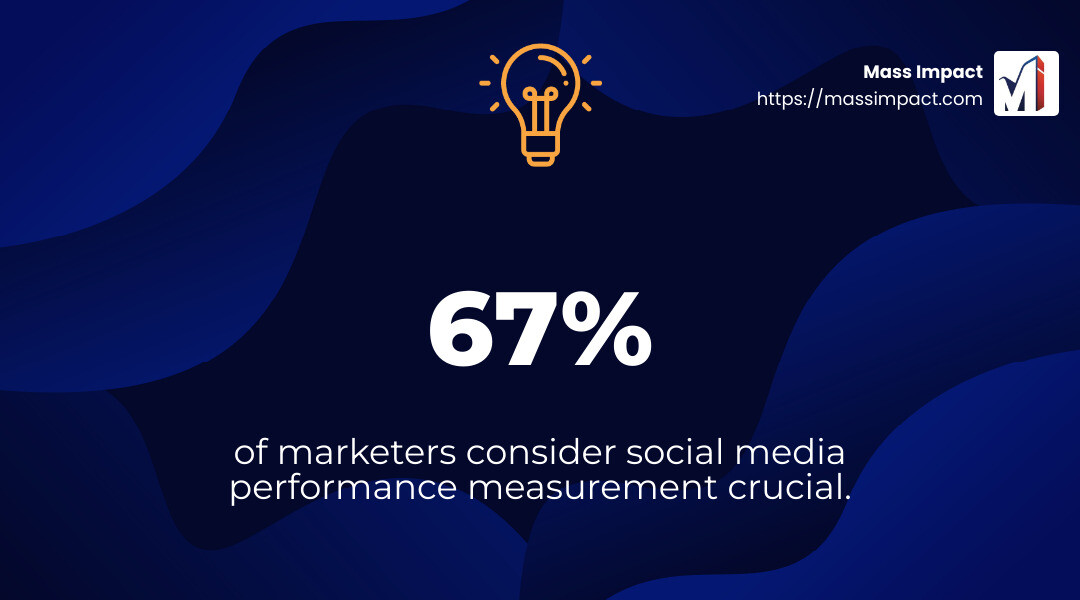
By consistently analyzing your performance, you can make informed decisions to optimize your social media strategy.
Investing in social media training equips you with these skills, ensuring your efforts are both effective and efficient. Whether you’re just starting or looking to refine your strategy, these elements are key to success.
Next, we’ll explore the top social media courses that offer comprehensive training.
How to Start Learning Social Media
Diving into social media can seem daunting, but breaking it down into manageable steps makes it easier. Here’s a simple guide to get you started.
Strategy Creation
Creating a social media strategy is your first step. This is your roadmap for what you want to achieve and how you plan to get there. Here are some key points:
- Set clear goals: Are you aiming to increase brand awareness, drive traffic, or boost sales?
- Research your audience: Understand who they are, what they like, and where they spend their time online.
- Plan your content: Decide on the type of content you’ll post (videos, images, articles) and how often.
Brand Voice
Your brand voice is how you communicate with your audience. It should be consistent across all platforms and reflect your brand’s personality. Here’s how to develop it:
- Define your tone: Are you formal, casual, humorous, or serious?
- Be authentic: Authenticity builds trust. Make sure your voice aligns with your brand values.
- Stay consistent: Consistency helps in building a recognizable brand.
Platform Nuances
Each social media platform has its own nuances. Understanding these can help you tailor your content effectively. For instance:
- Facebook: Great for community building and sharing a variety of content.
- Instagram: Focuses on visuals and short videos. Ideal for brands with strong visual content.
- Twitter: Best for quick updates and engaging in real-time conversations.
Analytics Monitoring
Monitoring analytics is crucial to understand how well your social media efforts are performing. Here’s what to focus on:
- Engagement metrics: Likes, comments, shares, and followers.
- Reach and impressions: How many people see your content.
- Conversions: Actions taken by users, like clicks or purchases.
Platform Selection
Choosing the right platforms depends on your audience and goals. Here’s a quick guide:
- Facebook: Broad audience, good for diverse content.
- Instagram: Younger audience, visually driven.
- Twitter: Fast-paced, good for news and updates.
- LinkedIn: Professional network, great for B2B marketing.
Strategy Implementation
Once your strategy is in place, it’s time for implementation:
- Create a content calendar: Plan your posts in advance to ensure consistency.
- Schedule your posts: Use tools like Buffer or Hootsuite to automate posting.
- Engage with your audience: Respond to comments and messages promptly.
By following these steps, you’ll build a strong foundation in social media management. Next, we’ll explore the top social media courses that offer comprehensive training.
Top Social Media Courses for Comprehensive Training
If you’re looking for comprehensive social media marketing training, Mass Impact offers a range of courses tailored to meet your needs. These courses cover everything from basic social media management to advanced advertising techniques, ensuring you have the skills to effectively manage and grow your online presence.
Most Comprehensive Social Media Marketing Training
Mass Impact’s flagship course provides an in-depth exploration of social media marketing across various platforms. This extensive training covers topics like building brand awareness, generating leads, and mastering paid advertising, making it perfect for anyone seeking a thorough understanding of social media dynamics.
Best Social Media Marketing Courses with Free Certificate
Mass Impact also offers a certification course that is free upon completion. This course covers essential topics such as social media strategy, content creation, and social listening, ideal for those looking to refine their skills and gain a credential that underscores their expertise.
Best Instagram Strategy Course for Business Growth
For those focusing on Instagram, Mass Impact provides a specialized course designed to enhance your business’s growth on the platform. Learn how to optimize your profile, create engaging content, and effectively use Instagram’s unique features like Stories and Reels.
Best Concise Course for Personal Branding
Mass Impact’s course on personal branding on social media is concise yet impactful, perfect for individuals aiming to enhance their personal brand across social platforms. This course teaches the essentials of maintaining a consistent brand voice and effectively engaging with your audience.
By enrolling in these courses, you’ll gain a well-rounded understanding of social media marketing tailored to various needs and platforms. Whether you’re seeking comprehensive training or a quick certification, Mass Impact has a program to help you succeed.
Is a Social Media Course Worth It?
Absolutely. Here’s why:
Knowledge Gain
Taking a social media course provides you with the latest knowledge in the field. Social media is always evolving, and staying updated is crucial. Courses cover everything from social media analytics to advertising and branding. This ensures you know the latest trends and tools to boost your online presence.
Skill Refresh
Even if you’re already familiar with social media, a course can be a great way to refresh your skills. Regular training helps you stay prepared for new challenges. Whether it’s a new platform feature or a shift in audience behavior, being well-prepared is key.
Recent Changes
Social media platforms frequently update their algorithms and features. For example, Twitter introduced “Fleets” and Instagram rolled out Reels. Staying informed about these changes is essential for effective strategy implementation. Courses like the Meta Social Media Management Course dive deep into these updates, ensuring you’re always ahead of the curve.
SEO Relevance
Search Engine Optimization (SEO) is not just for websites. It’s also crucial for social media. Courses often include modules on how to optimize your content for better visibility. This can significantly increase your brand’s online presence.
Success Measurement Tools
A critical aspect of social m