Understanding Pay-Per-Click (PPC) Marketing
Click PPC marketing, also known as Pay-Per-Click advertising, is a model where advertisers pay a fee each time their ad is clicked. Unlike traditional advertising, PPC places your brand directly in front of potential customers at the precise moment they are searching for products or services you offer.
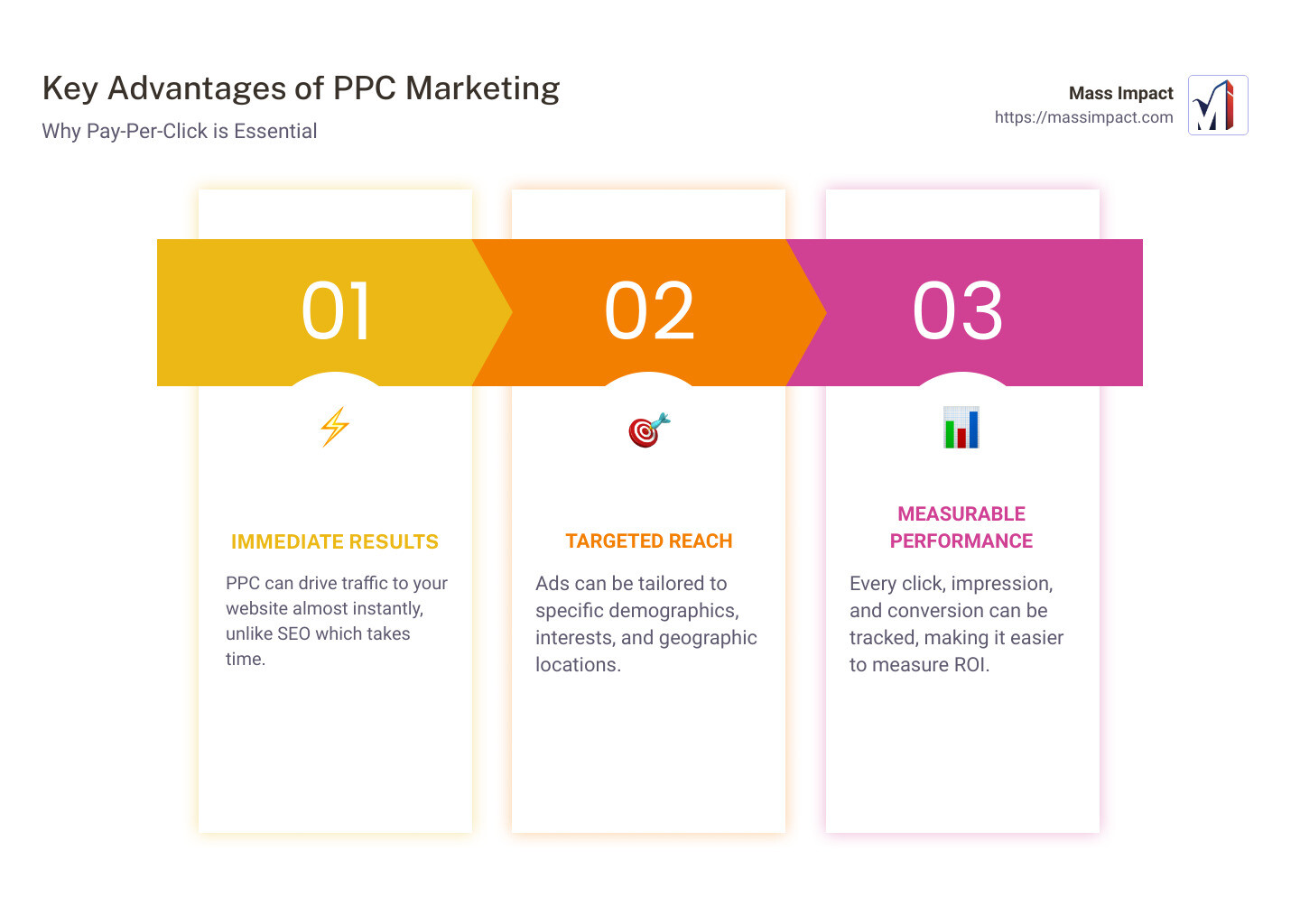
In a nutshell, here’s what makes click PPC critical for online marketing:
- Immediate Results: Unlike SEO, PPC can drive traffic to your website almost instantly.
- Targeted Reach: Ads can be custom to reach specific demographics, interests, and geographic locations.
- Measurable Performance: Every click, impression, and conversion can be tracked, making it easier to measure ROI.
- Cost Control: You only pay when someone clicks on your ad, giving you better control over your budget.
Pay-Per-Click marketing is pivotal for anyone looking to boost their online visibility quickly and cost-effectively. Whether it’s through search engines like Google, social media platforms like Facebook, or display networks, PPC offers a versatile approach to reaching your audience.
I’m Haiko de Poel Jr, and with my expertise in digital marketing and branding, I’ve helped numerous businesses steer the intricacies of PPC to maximize their online impact. Let’s dive deeper into PPC and uncover how it can lift your business.
What is PPC?
Types of PPC Ads
PPC, or pay-per-click, is a type of online advertising where businesses pay a fee each time someone clicks on their ad. This model is popular because it allows advertisers to control their budget and target specific audiences effectively.
There are several types of PPC ads:
- Search Ads: These are the most common type of PPC ads. They appear at the top or bottom of search engine result pages when users search for specific keywords. For example, when you search for “best running shoes,” the top results labeled “Ad” are search ads.
- Display Ads: These ads appear on websites within the display network. They often include images, videos, or interactive elements and are designed to catch the viewer’s attention as they browse the web.
- Video Ads: These ads use video content to promote products or services. They can appear on platforms like YouTube, either before, during, or after a video. Video ads can be skippable or non-skippable and often include clickable elements like calls-to-action.
- Remarketing Ads: Also known as retargeting ads, these are shown to users who have previously visited your website or interacted with your app. They aim to remind users of your brand and encourage them to return and convert.
How PPC Works
PPC advertising revolves around a few key concepts: keyword bidding, the ad auction, and cost-per-click.
- Keyword Bidding: Advertisers bid on keywords relevant to their products or services. For example, a shoe store might bid on keywords like “buy running shoes” or “best sneakers.”
- Ad Auction: When a user enters a search query, an auction is triggered. Advertisers with relevant keywords compete for ad placement. The auction considers both the bid amount and the ad’s quality score, which includes factors like ad relevance and landing page experience.
- Cost-per-Click (CPC): This is the amount an advertiser pays each time someone clicks on their ad. The actual CPC can vary based on the competition for the keyword and the advertiser’s quality score.

The PPC model is beneficial because it allows businesses to reach specific audiences who are actively searching for related content. It also provides measurable results, making it easier to track the effectiveness of ad campaigns.
By understanding these fundamentals, you can create a PPC advertising strategy that drives traffic, captures leads, and grows your business. Next, we’ll explore the benefits of PPC and how it can complement other marketing efforts.
Benefits of PPC
When it comes to digital marketing, PPC (pay-per-click) advertising offers a range of benefits that can help your business grow quickly and efficiently. Let’s explore some of the key advantages.
Quick Results
One of the standout benefits of PPC is the speed at which you can see results. Unlike SEO, which can take months to gain traction, PPC ads can drive traffic to your website almost immediately. Platforms like Google Ads and Facebook Ads approve ads quickly, often within hours. This means you can start seeing clicks and conversions right away.
Targeted Audience
PPC allows you to get your ads in front of the right people. You can target specific demographics, interests, and locations. For instance, if you run a local bakery, you can target ads to people within a certain radius of your shop. Social media platforms like Facebook even allow you to target based on behaviors and interests. This ensures that your ads are shown to those most likely to convert into customers.
Measurable Results
With PPC, you can track every aspect of your campaign. You can measure impressions, clicks, conversions, and even return on investment (ROI). Tools like Google Analytics offer detailed insights into how your ads are performing. This data helps you understand what’s working and what’s not, allowing you to make informed decisions to optimize your campaigns.
Cost-Effective
PPC is often more cost-effective than traditional advertising methods like TV or print. You only pay when someone clicks on your ad, making it a budget-friendly option. Plus, you have control over your spending. You can set daily or monthly budgets to ensure you never overspend. According to a Hanapin Marketing report, 79% of marketers find PPC beneficial, and 62% plan to increase their PPC budget.
Branding
Even if users don’t click on your ads, they still see them. This increases your brand visibility and awareness. Over time, repeated exposure can lead to higher brand recall. Think of it as free advertising—you only pay when someone clicks, but many more people will see your ad without costing you a penny.
Complementing SEO
PPC can also complement your SEO efforts. While SEO focuses on long-term organic growth, PPC can provide immediate traffic. This is especially useful when you’re launching a new product or service and need quick visibility. Together, PPC and SEO can create a robust digital marketing strategy that covers both short-term and long-term goals.
By leveraging these benefits, you can create a click PPC strategy that not only drives immediate traffic but also supports your overall marketing objectives.
Next, we’ll dig into the key metrics and performance indicators that are crucial for measuring the success of your PPC campaigns.
PPC Strategy and Campaign Planning
Creating a successful PPC campaign involves careful planning and strategy. Here’s a breakdown of the key elements you need to consider:
Target Audience
First, identify who you want to reach with your ads. Define their demographics, interests, and behaviors. For example, if you’re selling high-end sports equipment, your target audience might be young adults who are into fitness and live in urban areas. Platforms like Facebook and LinkedIn allow for very specific audience targeting based on these criteria.
Clear Goals
Set clear and measurable goals for your PPC campaign. Are you aiming to increase website traffic, generate leads, or drive sales? Knowing your objectives will help you tailor your campaign for optimal results. For instance, if your goal is to generate leads, you might focus on creating compelling landing pages that capture user information.
Keyword Research
Use keyword research tools to find the terms and phrases your target audience is searching for. Keywords are the backbone of any PPC campaign. Tools like Google Keyword Planner can help you identify high-volume and long-tail keywords with lower competition but higher conversion rates.
Compelling Ad Copy
Write attention-grabbing headlines and descriptions for your ads. Your ad copy should be concise, relevant, and include a clear call-to-action (CTA). For example, if you’re advertising a new fitness app, a compelling CTA could be “Download Now for a Free Trial.”
Ad Platforms
Choose the right platforms to run your ads. Here are some top PPC platforms:
- Google Ads: Ideal for search ads, display ads, and video ads on YouTube.
- Facebook Ads: Great for targeting specific demographics and interests.
- Instagram Ads: Perfect for visual content and reaching a younger audience.
- Microsoft Advertising: Useful for reaching a different search audience than Google.
- TikTok Ads: Effective for engaging a younger, trend-focused audience.
- LinkedIn Ads: Best for B2B marketing with advanced targeting options like job title and industry.
- Twitter Ads: Good for real-time engagement and trending topics.
Monitoring and Optimization
Track the performance of your ads using metrics like click-through rate (CTR), conversion rate, and return on investment (ROI). Tools like Google Analytics can help you see how your ads are performing in real-time. Continuously optimize your campaigns by adjusting bids, experimenting with different ad formats, and adding negative keywords to ensure your ads are shown to the most relevant audience.
Budget Setting
Decide how much you want to spend on your campaign and stick to your budget. PPC platforms allow you to set daily or campaign-level budgets. Start with a modest budget and increase it as you see po