

Social media manager salary remains a pivotal factor for both aspiring and current professionals in this dynamic field. Understanding the compensation trends and what influences these figures is crucial for career planning and development.
Social media management has matured into a critical marketing role as businesses increasingly rely on digital platforms to engage with audiences, drive sales, and enhance brand visibility. This role encompasses a blend of creativity, strategy, and data analytics to craft impactful online presences. With the digital landscape continuously evolving, the demand for skilled social media managers is expected to grow, making it a promising career path.
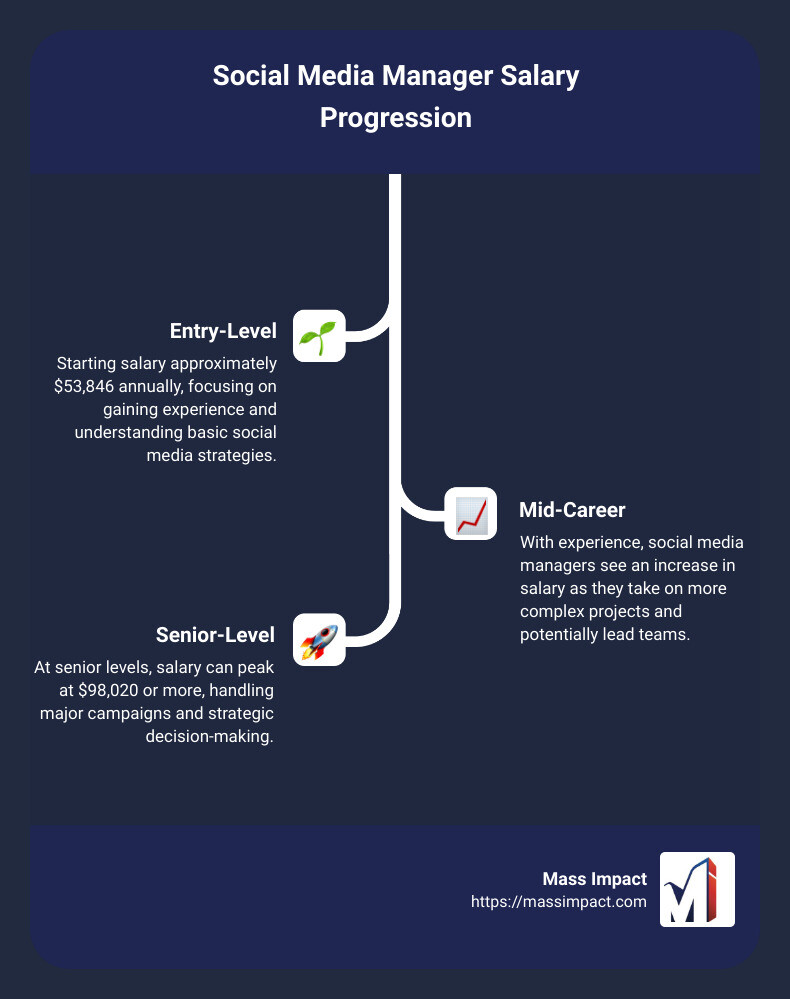
In terms of salary, entry-level social media managers in the United States can expect to start at somewhere around $53,846 per year, with the potential to earn up to $98,020 or more with advanced experience and proven success. Factors such as geographical location, industry, and the size of the company also play crucial roles in determining salary.
Whether you’re just starting out or looking to advance in this field, being informed about current salary standards can assist in negotiating your compensation and planning your career trajectory efficiently.
What Does a Social Media Manager Do?
A Social Media Manager plays a pivotal role in shaping a company’s digital presence. This section delves into the core responsibilities of a social media manager, which include strategies, content creation, analytics, and stakeholder communication.
Strategies
A social media manager develops comprehensive strategies that align with the company’s overall marketing goals. This involves identifying target audiences, setting specific objectives, and determining the best platforms and types of content that will resonate with those audiences. For instance, a strategy might focus on increasing brand awareness, boosting user engagement, or driving sales through targeted campaigns.
Content Creation
Content creation is at the heart of what social media managers do. They craft engaging posts, videos, and graphics that not only attract attention but also encourage interaction and sharing. This content must be both appealing and valuable to the audience, providing a mix of entertainment, education, and promotional material. Effective content creation requires a deep understanding of the brand’s voice and the interests of its followers.
Analytics
Social media managers use analytics tools to track the performance of their posts and campaigns. By analyzing data like engagement rates, follower growth, and click-through rates, they can gauge what content works best and refine their strategies accordingly. For example, if a particular type of post generates a lot of shares, they might decide to create more content in that style.
Stakeholder Communication
Regular communication with stakeholders is crucial. Social media managers must keep company leaders informed about social media performance and how it ties into broader marketing and business goals. This might involve presenting reports on campaign results, discussing insights from user feedback, and recommending adjustments to the social media strategy.
Through these activities, social media managers directly influence how a brand is perceived online. They play a critical role in not just maintaining but actively developing a company’s reputation and reach in the digital world. By understanding and executing on these key areas—strategies, content creation, analytics, and stakeholder communication—social media managers drive the success of digital marketing efforts.
Educational Requirements for Social Media Managers
Entering the field of social media management typically requires a solid educational foundation. Here are the key educational paths:
Bachelor’s Degree
Most social media manager positions require at least a bachelor’s degree. The fields of study that are particularly relevant include:
- Marketing: Courses in marketing help understand branding, consumer behavior, and market strategies.
- Communications: This focuses on effective messaging and media relations.
- Journalism: Teaches skills in writing, editing, and content curation, which are crucial for creating engaging social media content.
Why These Degrees?
-
Marketing: A degree in marketing equips you with the understanding of how to engage audiences and promote products or services effectively on various social media platforms. It also provides insights into digital marketing tactics and tools that are essential in a social media manager’s toolkit.
-
Communications: Strong communication skills are indispensable. This degree hones your ability to craft clear and compelling messages, a daily requirement for social media professionals. It also teaches you how to gauge and adapt to the audience’s response, an essential aspect of managing social media.
-
Journalism: With the rise of content marketing, having journalistic skills allows a social media manager to research, report, and present information in a way that is not only factual but also engaging and timely. This is crucial for content that stands out in a crowded digital landscape.
Additional Learning
Beyond formal education, aspiring social media managers are encouraged to keep abreast of the latest digital tools and social media trends. Continuous learning through online courses, workshops, and certifications in specific platforms like Facebook, Instagram, or Google Analytics can significantly enhance your skills and employability.
In summary, while a bachelor’s degree in marketing, communications, or journalism provides a strong foundation, the role of a social media manager also demands ongoing education and adaptation to new tools and trends. This blend of formal education and continuous learning prepares you to effectively manage a brand’s presence in the changing digital space.
Social Media Manager Salary Insights for 2024
Average Salary in the US
As we step into 2024, the landscape of social media manager salary in the US shows an intriguing pattern of stability and growth. The average salary for social media managers remains competitive, reflecting the ongoing demand for skilled professionals in this field. Here are the average annual salaries you might expect across different states:
– Average in general: $57,000
– California: $54,600
– New York: $54,170
These figures underline the significance of location in determining salary, as well as the substantial investment companies continue to make in their social media operations.
Salary Variations by Experience
Experience plays a pivotal role in salary determination for social media managers. Let’s break it down:
– Entry-level: For those just starting out, the average salary hovers around $45,000. Entry-level positions typically involve more executional tasks under supervision.
– Mid-career: After gaining a few years of experience, social media managers can see their salaries rise to approximately $60,000. This phase often involves strategy development and greater responsibility.
– Senior-level: At this level, where one is expected to lead social media strategies and teams, salaries can jump to $75,000 or more. Senior managers often handle crisis management and cross-departmental coordination.
Global Salary Trends
Looking beyond the US, the salary trends for social media managers in major cities around the world also offer insightful contrasts and comparisons:
– London: In the bustling market of London, social media managers can expect to earn around £42,000 ($56,000 approx), which aligns closely with US standards.
– New York City (NYC): Staying a strong market for digital careers, NYC offers around $70,000, reflecting its high cost of living and the concentration of major brands and agencies.
– Southfield, MI: Emerging as a surprising contender, Southfield offers competitive salaries averaging at $55,000, thanks to growing tech and media sectors.
– Detroit, MI: With revitalization efforts and digital growth, Detroit presents opportunities with average salaries around $53,000.
These figures show not just the variability based on geography, but also the global demand for skilled social media professionals. Whether in bustling global cities or emerging tech hubs, the role of a social media manager remains crucial and well-valued.
As we continue to navigate the complexities of digital spaces, understanding these salary insights helps current and aspiring social media managers gauge their career trajectories and potential earnings across different stages and locations. The next section will explore the factors influencing these salary variations in more depth.
Factors Influencing Social Media Manager Salaries
When considering a career as a social media manager, understand the various elements that can affect your potential earnings. Salaries for social media managers are not uniform across the board; they can vary significantly based on several key factors: industry type, company size, and geographic location. Let’s dive into how each of these elements plays a role in shaping the salary landscape for social media managers.
Industry Type
The type of industry in which a social media manager works can have a profound impact on salary potential. For instance, social media managers employed in high-revenue industries such as technology, finance, and pharmaceuticals often command higher salaries. These industries value the direct connection social media provides to their consumers, making skilled managers highly valuable.
Conversely, industries with less focus on digital engagement, such as manufacturing or transportation, might not offer the same level of compensation. The demand for social media expertise varies by sector, influencing how much companies are willing to invest in these roles.
Company Size
The size of the company is another crucial factor. Generally, larger organizations with more than 1,000 employees tend to offer higher salaries. For example, the average salary for social media managers in companies with over 1,000 employees is around $82,488, as they often have bigger budgets and a greater scope of work, requiring more experienced professionals who can command higher pay.
Smaller companies, especially startups, might offer lower base salaries but compensate with other benefits or equity, which could be lucrative in the long run. However, in these environments, social media managers often wear multiple hats, which can be both a challenge and an opportunity to build diverse skills.
Geographic Location
Geographic location significantly affects social media manager salaries. Urban centers like New York City, San Francisco, and Los Angeles typically offer higher salaries due to the higher cost of living and the concentration of companies in these cities. For instance, a social media manager in New York City can earn around $105,000, reflecting the competitive nature and high living costs of the area.
In contrast, smaller cities or rural areas might offer lower salaries. However, with the rise of remote work, geographical boundaries are becoming less restrictive, allowing for more uniform salary standards across different locations.
Understanding these factors can help current and aspiring social media managers navigate their career paths and salary negotiations more effectively. Recognizing the industry norms, the strategic importance of the role within a company, and the regional economic conditions can empower you to make informed decisions about your career trajectory.
As the digital landscape continues to evolve, the role of a social media manager remains critical. The next section will delve into some high-