

If you’re seeking comprehensive social media management services, you’re at the right place. Social media management is crucial for businesses looking to leverage platforms like Facebook, Twitter, Instagram, and LinkedIn to connect with their audience, build their brand, and drive sales. These services encompass strategy development, content creation, and analytics to ensure that every post moves you closer to your business goals.
Social media has rapidly evolved from a basic digital channel for socializing into a dynamic platform for digital marketing and audience engagement. As businesses recognize its potential impact, the demand for professional social media management has soared. This capability to engage customers directly and personally has transformed it into an essential tool for marketing success.
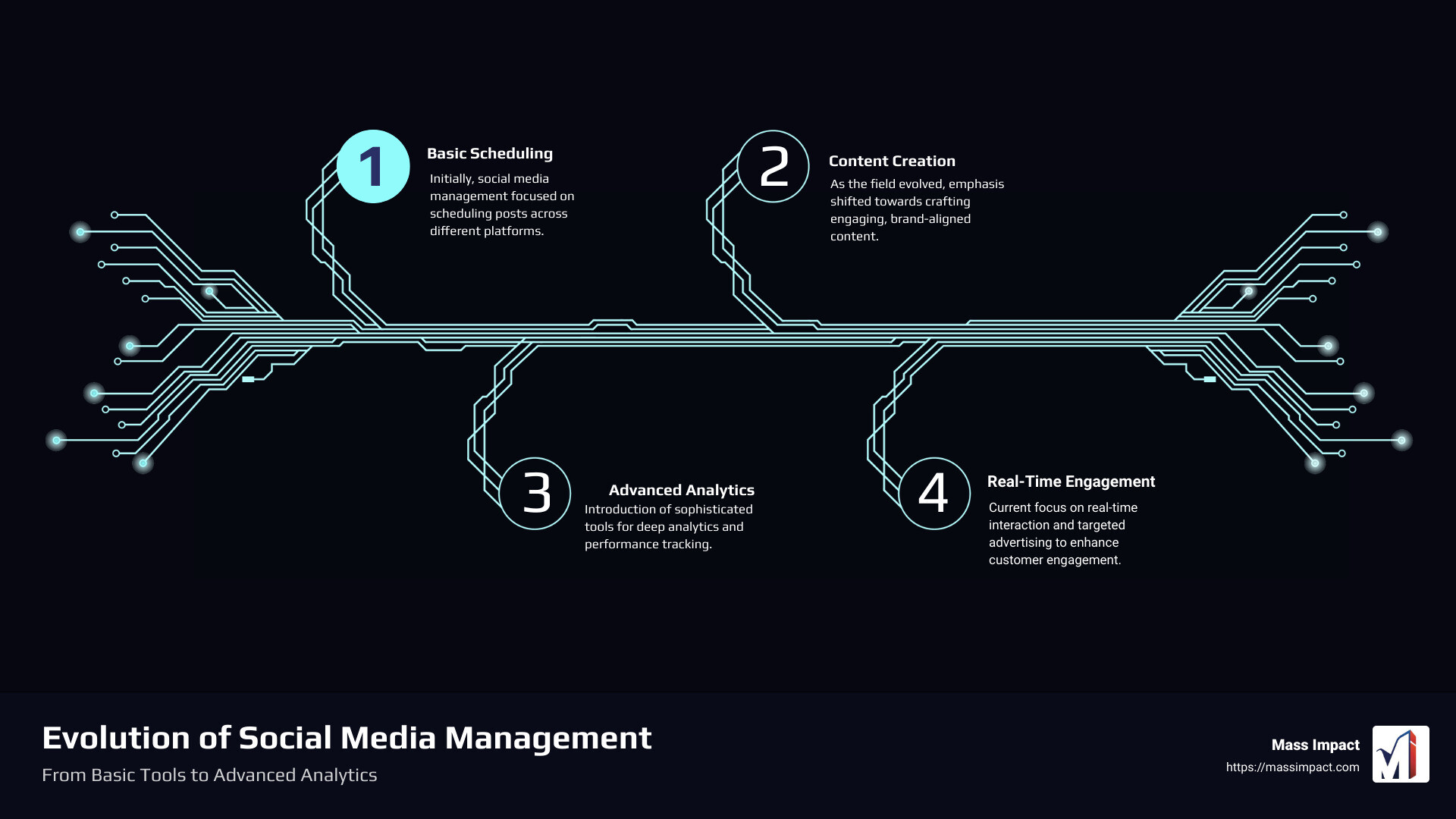
Given the nature of digital trends, social media management services have also evolved. They now include the use of sophisticated tools for analytics, customer engagement, and targeted advertising. Businesses, now more than ever, acknowledge the necessity of these services to maintain a competitive edge and ensure their brand stands out in a crowded digital space.
What Are Social Media Management Services?
Social media management services are specialized services that help businesses and organizations manage their online presence on social media platforms effectively. These services encompass a variety of tasks aimed at building and maintaining a strong social media presence.
Definition
At its core, social media management involves overseeing a company’s social media platforms. This includes creating, publishing, and analyzing content posted on social media platforms like Facebook, Instagram, Twitter, and LinkedIn. Additionally, it involves engaging and interacting with social media users.
Core Functions
The core functions of social media management services include:
- Content Creation: Developing relevant and engaging content tailored to the brand’s audience. This can range from posts and images to videos and stories.
- Content Scheduling: Planning and scheduling content to ensure consistent activity across all platforms without manual posting.
- Engagement: Monitoring interactions such as comments, likes, and shares, and responding appropriately to foster community and customer service.
- Analytics: Tracking and analyzing performance metrics to refine strategies and improve engagement and reach.
- Advertising: Managing paid advertising campaigns to boost visibility and reach targeted audiences more effectively.
Platforms
Social media management services cover a variety of platforms, each with unique features and audience types. The most common platforms include:
- Facebook: Offers extensive reach and tools for both organic engagement and paid advertising.
- Instagram: Ideal for visual content, with features like Stories, Reels, and IGTV.
- Twitter: Great for real-time updates and engaging in trending topics.
- LinkedIn: The go-to platform for B2B marketing, professional networking, and content sharing.
- YouTube: Essential for video marketing, providing tools for video uploads, live streaming, and video advertising.
- TikTok: A newer platform that’s rapidly gaining traction, particularly for reaching younger audiences with short-form video content.
These platforms are integral to a comprehensive digital marketing strategy, allowing businesses to reach diverse demographics and engage with them in creative and impactful ways.
By leveraging social media management services, companies can ensure their brand is not only visible but also actively engaging with its audience, driving growth, and building lasting relationships. This strategic approach is crucial in a digital era where social media presence directly influences business success.
Key Components of Effective Social Media Management
Effective social media management is not just about posting content; it involves strategic planning, engagement, and continuous monitoring. Here, we outline the key components that make social media management impactful.
Strategy Creation
Creating a robust social media strategy is the foundation of effective management. This involves:
- Defining clear objectives: What do you want to achieve? Increased brand awareness, more leads, or higher engagement?
- Understanding your audience: Who are they? What do they like? When are they online?
- Content planning: What type of content will attract your audience? How often should you post?
- Resource allocation: Who will create and manage your content? Do you have the right tools and technology?
Rachel Czeszewski, a senior social media manager at Thrive, emphasizes the importance of strategic input to make social media efforts successful. Without a clear strategy, efforts can be misdirected and ineffective.
Inbound Engagement
Engagement with your audience is critical. This means not just posting content, but also interacting with your followers. Effective engagement involves:
- Prompt responses to comments and messages: This shows your audience that you value their input and care about their experience.
- Encouraging user-generated content: This can increase engagement and provide authentic content for your brand.
- Running contests and polls: These can boost interaction and make your feed more engaging.
Alyssa Tear, another senior manager at Thrive, points out that while tools help streamline processes, they cannot replace the human element necessary for real engagement.
Analytics Monitoring
Monitoring your social media performance is crucial to understand what works and what doesn’t. This involves:
- Tracking key metrics: Likes, shares, comments, click-through rates, and conversion rates.
- Adjusting strategies based on data: Use insights from data to refine your content and strategies.
- Reporting: Regularly review and report on performance to understand the ROI of your social media efforts.
Effective analytics monitoring allows businesses to make data-driven decisions, enhancing the effectiveness of their social media strategies.
By focusing on these key components—strategy creation, inbound engagement, and analytics monitoring—businesses can optimize their social media presence. This not only enhances visibility but also fosters deeper connections with the audience, ultimately contributing to business growth and success.
Pricing Models for Social Media Management Services
When considering social media management services, understanding the various pricing models available can help you make informed decisions that align with your business goals and budget. Here’s a breakdown of the most common pricing structures:
Hourly Rates
Hourly pricing is straightforward—you pay for the hours worked. This model is ideal for small tasks or when you need consulting services. It offers flexibility and can be cost-effective for short-term needs.
- Pros: Clear cost based on time spent; good for specific, short-term projects.
- Cons: Can become expensive for long-term or ongoing tasks; less predictable monthly costs.
Monthly Retainers
With monthly retainers, you pay a set fee each month for a bundle of services. This model is perfect for businesses that require ongoing support and prefer predictable billing.
- Pros: Consistent costs; ongoing support; easier budgeting.
- Cons: Less flexibility to change service scope within the month; potentially paying for unused services.
Project-Based Fees
Project-based pricing applies to specific, one-time projects with a defined scope and timeline, such as launching a new product campaign or building a social media strategy from scratch.
- Pros: Costs are known upfront; no long-term commitment.
- Cons: Less flexibility; additional costs may arise if the project scope changes.
Package-Based Pricing
Package-based pricing involves predefined sets of services offered at a fixed price. This is suitable for businesses that need a combination of services but don’t require extensive customization.
- Pros: Easy to understand and choose what best fits your needs; combines various services at a bundled rate.
- Cons: May include services you don’t need; less customization.
Each pricing model has its own set of advantages and challenges, so it’s crucial to assess which one aligns best with your specific needs, budget, and business dynamics. Whether it’s managing day-to-day social media activities or launching targeted campaigns, understanding these pricing models will guide you in choosing the right service option for optimal results.
By focusing on these pricing models—hourly rates, monthly retainers, project-based fees, and package-based pricing—businesses can strategically select the best structure to manage their social media efforts effectively and efficiently.
Benefits of Outsourcing Social Media Management
Outsourcing your social media management can be a game-changer for your business. Let’s explore why many companies are turning to external experts to handle their social media needs.
Expertise
When you outsource, you tap into specialized knowledge and skills that your internal team may lack. Social media platforms are constantly evolving with new features and algorithms. Social media management agencies stay on top of these changes, ensuring that your social media strategy remains effective. For instance, Thrive’s social media managers bring nearly two decades of experience, aligning strategies with the latest trends to maximize your online presence.
Cost-Effectiveness
Hiring a full-time social media manager or building an in-house team can be expensive. You have to consider salaries, benefits, training, and the tools they need to succeed. Outsourcing eliminates many of these costs. Agencies like Thrive operate on a model that allows for flexible pricing structures such as monthly retainers or project-based fees, making it more affordable than maintaining an in-house team.
Time-Saving
Social media management is time-consuming. It involves content creation, scheduling, monitoring, engaging with followers, and analyzing data. By outsourcing, you free up your internal resources to focus on other critical aspects of your business. This is particularly beneficial for small to medium-sized enterprises that may not have the manpower to handle social media effectively.
Scalability
Outsourcing provides scalability that is difficult to achieve in-house without significant investment. As your business grows, your social media strategy can be quickly adjusted to accommodate new goals or markets. Agencies have the resources to scale up efforts during peak times or scale down when necessary, ensuring that your social media presence is always optimized for the best results.
By focusing on these key benefits—expertise, cost-effectiveness, time-saving, and scalability—outsourcing social media management can significantly enhance your online presence while allowing you to concentrate on growing your business. With the right agency, you can achieve a dynamic social media presence that engages your audience a