
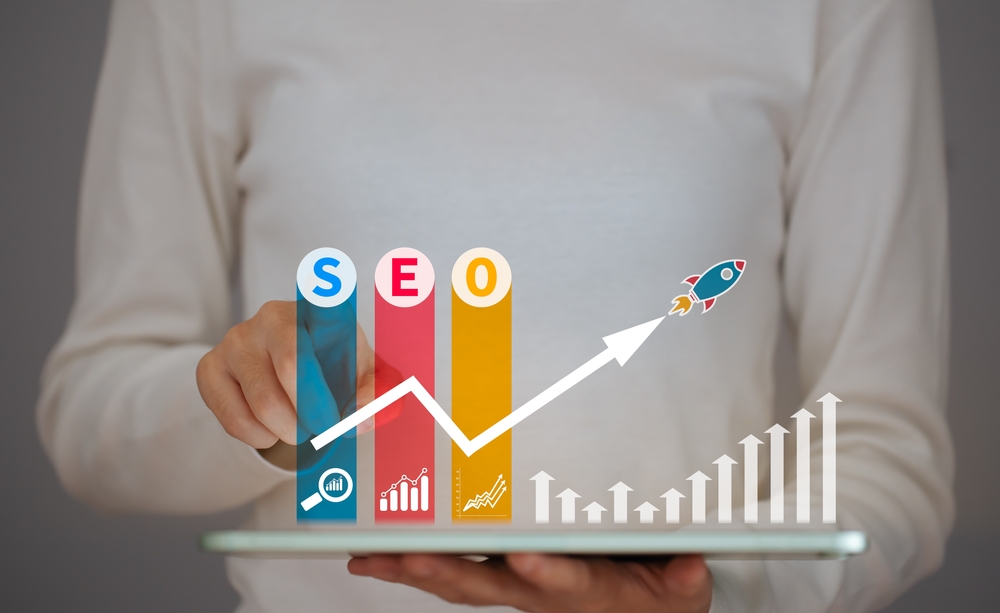
SEO vs SEM: What’s the Difference and Which is Best in 2023?
It’s no surprise that businesses strive to find creative strategies for increasing their online presence and gaining website traffic. Two of the most debated techniques being compared in this regard are search engine optimization (SEO) and search engine marketing (SEM): SEO vs SEM. To understand which approach fits best, let us dive into what sets them apart from one another – advantages, disadvantages, when to use each technique. It all comes down to comparison: so vs sem seo or seo vs sem? We will look at performance metrics so you can better evaluate your digital marketing strategy against goals set out by a campaign created via either an SEO or SEM framework. After reading through our overview of these two approaches you’ll have enough knowledge necessary for formulating the optimal plan when considering if Search Engine Marketing Sem is right over Search Engine Optimization Seo options available as part of any powerful Digital Marketing Strategy needed today!
Key Takeaways
- Understand the differences between SEO and SEM to optimize websites for higher rankings in SERPs.
- Consider budget, objectives, competition & business growth when deciding between SEO/SEM or a combination of both.
- Track key metrics such as organic traffic, keyword rankings & click-through rates to measure success of campaigns.
Understanding SEO and SEM

SEO and SEM are both critical components of digital marketing strategies, each using its own approach to drive targeted traffic towards a website in order to generate leads and sales. SEO focuses on optimizing your site for higher rankings within organic search engine results pages (SERPs), while SEM encompasses the optimization of your site speed and organic elements as well as paid tactics used with paid listings for searches that can get better visibility or ranking placement faster.
The major distinction between SEO and SEM is found by looking at search engines understand their methods of getting visitors. Those from organic search results being more trusted due to them earned rather than bought, while PPC ads associated with this process allow accurate targeting among an audience since they come quicker but require payment beforehand. Working alongside these terms is key when it comes increasing website traffic through usage of keywords — also being essential for successful on-page SEO efforts done correctly during use these services/techniques combined together .
What is SEO?
Search engine optimization, or SEO as it is more commonly referred to, is a type of digital marketing strategy designed to enhance visibility on organic search results without paid promotion. The process involves four main elements: On-page Optimization. Off-page Optimization. Technical SEO and Content Marketing. All these methods are aimed at improving the ranking of your website in Google’s search algorithms so that you can attract potential customers through increased traffic numbers.
If you want successful implementation of an effective SEO plan for your blog post and landing pages with maximum returns then make sure to use visual aids such as video clips, images and screenshots along with memes & infographics which will help build quality backlinks over time—an essential factor when calculating rankings according Wikipedia (1). Create content targeted towards user intent whilst abiding by common practices like optimised title tags meta descriptions etc.(2) Lastly focus heavily upon Link Building strategies both off page (e.g blogs etc.)(3) & On Page ((meta links alt text naming conventions)).
What is SEM?
Search engine marketing (SEM) is a term encompassing strategies to increase website traffic, including paid advertisements. SEM focuses on using both organic and paid traffic for search engine advertising techniques for higher rankings in the Search Engine Results Pages (SERPs). The primary tactics of SEM include Pay-per-click advertising, keyword targeting, ad creation/extensions optimization as well as Quality Score monitoring.
When assessing an SEM campaign’s success various metrics such as click through rate, cost per thousand impressions or return on investment can be employed to determine its effectiveness. Other elements like targeted landing pages and specific keywords utilized within the strategy must also be taken into account when evaluating performance over time
Key Components of SEO and SEM

Understanding the fundamentals of both SEO and SEM is essential to creating successful online marketing campaigns. In terms of SEO, components such as content creation, on-page optimization, off-page optimization and technical search engine optimizations are necessary for achieving higher organic rankings in order to gain more traffic directed towards your website. Whereas with an SEM campaign there’s keyword research involved along with setting bids & advertisement designs used for targeting a specific audience that can provide greater visibility or clicks when compared to relying solely upon organic searches within search engines results pages (SERP).
Technical Search Engine Optimization plays an important role in optimizing websites structure & codebase which contributes greatly towards enhancing its presence on google ads SERPs while Paid Searches advertise through various platforms like Google Ads taking advantage from increased exposure rate due to precise targetting abilities available by leveraging PPC ads among other traits it offers over depending merely onto natural/organic listings google’s search results from queries made by users browsing different search services out there today.
SEO Components
Search engine optimization consists of several components, such as on page seo on-page optimization, off-page optimization, technical SEO and content marketing. On page optimizing involves improving the visibility of particular web pages with relevant traffic from search engines to gain higher rankings. Off page activities like link building along with social media promotion. Guest blogging outreach plus online reputation management are used in order to increase a website’s presence outside its domain and thus help it rank better in SERPs (search engine results). Technical SEO is an intricate process wherein aspects including coding structure & performance must be optimized for achieving high ranking positions too whereas Content Marketing refers specifically to developing purposeful material that aims at appealing viewers so they stick around longer.
SEM Components
To maximize SEO efforts, utilizing Pay-per-click (PPC) in advertising platforms can provide useful search queries and results. Through keyword research to discover what customers are searching for, bid setting to determine the cost of ad clicks, creating compelling ads that meet target audience needs as well as keyword research for identifying specific groups likely interested in products or services. These various components make up a successful PPC campaign. Test campaigns via Google AdWords with particular keywords then analyze which ones lead to higher user click rates and conversions so they may be applied organic SEO activities resulting in better outcomes overall.
Comparing SEO and SEM: Pros and Cons

Having established the elements and capabilities of both SEO and SEM, we now need to review their advantages and drawbacks. Doing this comparison will help you decide which method is most appropriate for your individual business ambitions. Although SEO costs less money while also boosting brand awareness, it often takes longer to see results plus one must keep up with optimization processes. On the other hand, SEM yields faster outcomes through precise targeting options as well as enabling tests/refinements on campaigns. Though it may come with costlier expenditures that could lead to diminishing returns eventually.
By understanding each approach’s strengths & weaknesses in detail, decisions can be made more effectively about digital marketing strategies so as to optimize an online presence optimally . So let us look Into the good points and weak aspects of SEO along side those relevanttoSEM so that suitable selection choiceforbusiness can be facilitated better hereon after
Benefits of SEO
Optimizing your website’s content and structure can help search engines to identify it better, resulting in higher rankings. This brings greater organic visibility with cost-effectiveness compared to SEM for informational keywords, as well as increased trustworthiness over paid results. As the result of this investment yields a larger return on investment in time due to its compounding gains, SEO is an attractive option long-term wise. It also has additional benefits such as boosting brand recognition via expanding potential client base through targeted traffic generated from improved ranking positions within relevant search results and a better understanding by other search engines because of sites being optimized accordingly.
Drawbacks of SEO
While SEO offers many benefits, it also presents some drawbacks. Most significantly is the amount of time and effort required to see visible and paid search results, a delay that can be maddening for companies seeking immediate outcomes. Ongoing optimization work needs to take place across various search engines in order to sustain organic ranking performance and stay ahead of rivals vying for similar keywords. The issue here is there’s no guaranteed control over the algorithms utilized by these search engines which makes predicting how changes might affect website rankings rather tough.
Advantages of SEM
Using paid advertising, search engine marketing (SEM) offers businesses a way to rapidly achieve visibility in the results of their desired searches. This is particularly beneficial as it allows you to specify particular keywords associated with purchase intentions and target your ideal target audience much more quickly than SEO alone can provide. The flexibility that SEM provides through testing different ad formats and targeting options can be especially advantageous for those just beginning their SEO efforts, allowing them prompt outcomes on investment decisions.
Disadvantages of SEM
Search Engine Marketing (SEM) can be a great way to boost visibility and drive traffic however, It requires an investment in ad spend that is not needed for Search Engine Optimization (SEO), which utilizes organic search results. This expenditure may become too costly for businesses with limited budget or who are involved in competitive industries where bids have high costs attached to them. SEM campaigns could experience diminishing returns over time as competition increases and the cost of bidding rises. Here SEO efforts focused on long-term growth through improving organic search rankings would most likely produce better ROI than sustained reliance on paid advertising methods.
When to Use SEO, SEM, or Both

To make a wise marketing decision, it is essential to have an in-depth understanding of the benefits and drawbacks associated with SEO and SEM. To determine which path to take when considering your digital marketing budget, strategy or approach, it would be beneficial to weigh up several elements such as budget objectives competition stage of business growth etcetera.
Let’s explore when each tactic should be used independently from one another – whether that being SEO alone, SEM alone. Or if both combined could yield even greater outcomes for you too! Taking into consideration what matters most like: budget constraints, company aims & ambitions. Level of competitors in this sector et cetera can aid you arrive at your final conclusion regarding selecting the right combination for efficient implementation towards achieving those desired goals by using search engine optimisation plus pay per click advertising together..
Choosing SEO
For businesses that want to gain a long-term benefit, cost savings and organic visibility through their marketing strategy should prioritize SEO. It’s important to note though that it may take some months for the outcomes of the SEO efforts made visible – thus, not necessarily giving instant results. When budgeting or dealing with informational keywords, using search engine optimization is highly recommended as an efficient alternative option which increases organic rankings and offers specifically targeted web traffic in time. To achieve this goal more effectively one needs to concentrate on producing high quality content while optimizing your website properly for search engines at the same time.
Opting for SEM
If your company is in a highly competitive industry and requires quick results, then SEM could be the right choice for you. This type of paid search marketing allows accurate targeting as well as testing and optimization capabilities. Keep in mind that this approach can cost more than SEO at first, yet it provides quicker outcomes if used properly, which makes it beneficial to those brands just starting their own seo strategy and efforts too. With SEM targeting specific purchase and search intent and keywords quickly gives visibility on multiple platforms so new businesses will see immediate returns from investing here over regular organic SEO techniques alone.
Combining SEO and SEM
A successful digital marketing strategy typically involves integrating both SEO and SEM to create a comprehensive plan that amplifies visibility and pulls in web traffic from organic as well as paid sources. Utilizing the advantages of these two strategies creates an adaptive online presence which is capable of adapting easily with search engine algorithm updates or consumer actions.
For instance, findings derived from your SEM efforts can be used for optimizing your SEO approach such as recognizing highly effective keywords and ads formats you could use within organic content creation plans. Other retargeting initiatives may also prove useful – utilizing platforms like LinkedIn or Facebook for launching retargeting campaigns shopping ads targeted at site visitors who have not converted during their initial visit or first page – sending them back towards our page again using special advertisements..
Measuring Success: Key Metrics for SEO and SEM

Assessing essential metrics and scrutinizing performance data is fundamental to securing the success of your SEO and SEM campaigns. Analyzing these measurements enables you to recognize areas for advancement, evaluate how well your strategies are functioning, and make informed decisions to improve your online marketing attempts.
Using analytics tools paid search platforms like Google Analytics or SEMrush can be useful when monitoring key parameters such as organic search traffic, keyword rankings, backlinks generated per link building campaign taken on board , click-through rates (CTR), cost per clicks(CPC) alongside return on investment achieved by digital marketing tactics employed in motion . By considering trends plus tweaking plans accordingly one will then able refine their established digital strategy, ensuring a step closer towards improved results over time which shall supersede current achievement standings experienced at present!
SEO Metrics
Monitoring organic traffic, keyword rankings and conversion rates are indispensable in analyzing the success of your SEO campaigns. Search engine results from relevant keywords give insight into how highly-ranked you rank for these terms while search traffic reflects visitors that come to your website through those search outcomes. Backlinks demonstrate an important component regarding off page SEO since they inform major engines that yours is a remarkable resource deserving better positions on their searches. Analyzing all these metrics will aid with assessing your off page seo campaign efforts as well as provide areas which need more attention moving forward.
SEM Metrics
When assessing the performance of your paid advertising campaigns, tracking metrics such as click-through rate (CTR), cost per click and return on ad spend (ROAS) are key. CTR evaluates how many times an ad is clicked relative to its impressions. Whereas CPC indicates what it costs for each received interaction. ROAS enables you to calculate if a an ad campaign was profitable or not based on comparing income from ads versus expenses incurred when running them. Monitoring these SEM criteria allows one to evaluate the success of their marketing initiatives while finding ways optimize results further.
Summary
Ultimately, SEO and SEM have a huge impact on the realm of digital marketing. Being aware of their individual differences while taking into account how they can work together provides you with an understanding needed to generate a comprehensive marketing campaign that will help increase your visibility online as well as guide interested customers directly to your site. To maximize success from either or both strategies, it’s important to remain flexible when developing tactics. Use data-driven approaches frequently adjusting them in order for each one’s strengths serve better its purpose, helping reach desired audiences and succeed with set business goals.
Now is time we apply this information provided here by leveraging both search engine optimization (SEO) and Search Engine Marketing (SEM). Utilizing these methods opens up new possibilities which allow us extend our own web pages and presence Along connecting businesseswith potential clients effortlessly allowing companies access growth opportunities..
Frequently Asked Questions
Is SEM more effective than SEO?
SEM is often seen as the ‘paid half’ of online marketing, offering more immediate visibility through paid ads compared to SEO’s organic search visibility which takes time to build.
For quick results and traffic gains, SEM is the better route; however, SEO will offer a more profitable ROI in the long run.
What is the difference between SEO and SEM specialist?
SEO and SEM are two distinct methods for acquiring search traffic. SEO emphasizes improving organic results by optimizing a website, while with SEM paid advertisements can be used to generate traffic and increase visibility from both organic results and paid search engine listings.
What is SEO vs SEM advantages and disadvantages?
When it comes to a marketing strategy, SEO can be extremely beneficial in the long run due to its capacity for creating organic and free traffic. With search engine optimization being used at full advantage, this approach will yield results far into the future.
For more short-term solutions Search engines must be utilized with payment involved, SEM is such an example here. As opposed to SEO techniques that are costless and have longevity as their end goal, Search Engine Marketing requires costs in order for it reach desired outcomes quickly without having a large impact on your budgeting over
When should I choose SEO over SEM?
For those with a limited budget, SEO is an excellent choice for its long-term effects, efficiency and improved natural visibility. It costs less than other options while still bringing beneficial results that remain over time.
What are the key metrics for measuring the success of SEO and SEM campaigns?
To measure the effectiveness of SEO and SEM campaigns, key performance indicators to consider include organic traffic volume, keyword positions in SERPs (Search Engine Results Pages), backlinks gained or established for search ads over time, click-through rates for online ads displayed by search engines paid on a cost per click basis , as well as return on ad expenditure.
How to Choose an SEO Agency in 2023: Tips & Best Practices
Are you having trouble selecting the correct SEO agency for local business? We can help by providing key information on how to pick an ideal one in 2023. Find out why it is crucial to make a great choice good local seo. agency, aspects that matter when making this decision and mistakes commonly made during the process, unlocking success online starts here!
Key Takeaways
- When selecting an SEO agency, prioritize quality of service and expertise over geographic location.
- Consider the experience & expertise, customer feedback, cost structure & communication when assessing potential agencies.
- Establish clear expectations with your chosen SEO partner to ensure long-term success.
The Importance of Selecting the Right SEO Agency

A Jacksonville SEO company with experience and expertise in search engine optimization
Choosing the correct SEO firm is key to achieving goals, boosting visibility online and increasing organic traffic. Making sure that all requirements for search engine optimization are in place before forming a contract with an agency will put your digital marketing ambitions within reach. It’s wise to interact with various potential top SEO services and companies so you can select one suitable for what you need. Creating a well-structured action plan should be part of this process as it’ll ensure desired outcomes from utilizing the right strategies on multiple levels related to SEO performance. If done appropriately, selecting the right seo company or agencies could spell success. Don’t leave things up to chance if succeeding digitally matters!
Key Factors to Consider When Choosing an SEO Agency

Factors to Consider When Choosing a Jacksonville Digital Marketing Agency
When on the search for an SEO provider, it is essential to take into account their knowledge and skillset, customer reviews, budget-friendliness as well as communication. Assessing their competencies To client feedbacks about successful results achieved by good seo companies will help guarantee that you are picking good seo company and the right fit when selecting a local seo. firm.
We should bear in mind these crucial points while conducting our vetting process: experience & expertise. Testimonials from clients/case studies. Cost efficiency and approach taken with regards to reporting & communicating. Bearing all of this information during your inquiry stage for an suitable SEO partner can open more doors towards success than ever before!
Experience and Expertise
When seeking a trustworthy agency, it is important to examine their knowledge and proficiency in the SEO business so that you can be sure of their history of success. A reputable agency dependable SEO company should have experience using all the details of search engine optimization for themselves as well as appear at the top spot when googled. Hiring an organization with black hat techniques may lead to your website’s rating going down forever. Focus on ethical marketing services.
For ascertaining which seo experts are amongst the leading best seo companies now, ask them about websites they optimized before along with what keyword rankings these sites attained, this will help your seo needs to understand how good they really are while achieving successful outcomes from those strategies used by such search engine optimization firm selected .
Client Testimonials and Case Studies
When looking to hire an SEO agency, reviews from their past clients and case studies can be incredibly helpful in identifying what they are capable of. Client feedback provides insight into how well the company communicates with customers, respond to inquiries, offer customer service etc., while portfolios showcase examples of successful projects that have been completed by them. It is important to bear in mind that some older portfolio samples may not accurately reflect current trends for Search Engine Optimization (SEO). When researching potential agencies you should look at success stories which involve other businesses, similar in size or products offered as yours. If there are no testimonials available Investigation could be necessary including asking for concrete pieces of evidence such as sample work done before making a decision on who will handle your online presence optimization requirements.
Pricing and Value
When budgeting for SEO services, it is important to ensure that the pricing proposed by an agency includes no hidden costs and remains within what you can afford. Request complete transparency regarding fees from any prospective vendors prior to selecting one so there are no surprises down the line. Confirm if they provide anything specifically related to your organization’s needs when assessing their value compared with their cost, this ensures a collaborative approach rather than a cookie cutter package of offerings.
Communication and Reporting
It’s imperative to appraise an SEO agency’s communication and reporting practices for reliable updates. A comprehensive report should list all activities and actual sales,, such as the number of links created, effective outreach campaigns executed, content generated , web traffic status & search engine ranking progress for specified keywords plus how many website visitors moved In the sales funnel.
Since most clients look towards a dependable SEO partner offering frequent reports It is suggested that refusal or rejection from scheduling a meeting point be taken with caution while evaluating their interaction approach . Analysing these skillsets can ascertain if this company has what you are looking for when picking your ideal SEO associate.
Avoiding Common Pitfalls in Choosing an SEO Agency

When deciding to select an SEO agency, it is essential for business owner to be conscious of any issues that may arise such as believing assured returns, placing too much emphasis on a nearby location or simply selecting the cheapest service provider. Selecting the wrong firm can cause harm for your business over time in many ways including dubious link building strategies and low-grade content creation.
Choosing white hat SEO agencies allows you to capitalize from industry best practices and morally upright methods which bring about more natural search engine rankings. On the other hand black hat approaches involve underhanded tactics risking penalties by various search engines so pay close attention when choosing an SEO specialist entity for optimal results with no punishment involved.
Falling for Guaranteed Results
It is crucial to look out for SEO agencies that offer guarantees of specific search engine rankings, suggest overly ambitious timelines or declare quick results. While selecting an agency it is important to be aware of such claims which are too good to be true and could prove costly in terms of time and resources if they fail.
No one can ensure definitive ratings with regards to SEO because the environment changes so frequently due thereto frequent modifications made by search engines in their algorithms. Bearing this mind, bear note that successful Search Engine Optimization requires consistent effort as part of a continual ongoing process, no company has power over these statistics nor will assurance prevail at any moment on behalf e commerce website or thereof endeavors alone .
Overemphasizing Location
When looking for an SEO partner, don’t let location be a deciding factor. Quality of service should always come first and keep the ability to reach your desired audience in mind regardless of where they may live. Remote collaboration is very possible so it would be advantageous to search beyond local agencies as this can open up numerous possibilities that could lead you towards finding the ideal SEO match. Keep focusing on their experience within your industry or niche rather than just geography when making your choice. Ultimately de-emphasizing physical distance from them will result in greater quality, more global scope and specialization with regards to what exactly you need from them.
Settling for Low-Cost Options
When considering an SEO agency, it is crucial to choose an seo that to focus on quality over cost. A reliable firm that implements ethical strategies will eventually yield dividends and enhance the success of your online presence. Alternately, not choosing an otherwise good seo company even as a bargain option may lead to compromised excellence as well as resorting to shady methods which can degrade your website’s reputation. To avoid detrimentally affecting the credibility of your site, bypass any options offering black-hat practices or lower standards than expected at a low price point
Evaluating an SEO Agency’s Approach and Methodology

It is important to analyze the methodology and strategies used by an SEO agency prior to choosing one for your business. The three key elements of their approach that should be looked into are on-page, off-page and technical SEO. When making this decision, understanding these practices thoroughly can aid in selecting the very best seo company, the best seo company, service or company for you needs.
Examining all aspects of a potential seo company’s seo work process. From off page optimization tactics right through to on page techniques – will allow us make an educated choice when it comes down picking out a top seo company and service provider and offering only top quality service as well as results with regards to search engine optimization (SEO).
On-Page SEO
For optimal search engine visibility and user experience, the on-page SEO procedure includes fine tuning certain elements of a website that are both visible to public users and relevant for crawlers. Such measures include optimizing HTML coding, hyperlinks, internal links as well as meta tags. When looking for an experienced SEO agency it is important to find one with expertise in this particular aspect of search engine optimization company so your webpage can be indexed successfully by web bots. Search Engine Optimization (SEO) has at its core improving usability alongside strengthening any site’s accessibility, these two aspects being essential when aiming high rankings organically online!
Off-Page SEO
Off-page SEO involves focusing on strategies to build high quality backlinks, enhance domain authority of the website and improve link building efforts. Having an experienced search engine optimization agency can help your site attain higher rankings in terms of results as these specialists prioritize off page techniques for achieving greater success online. Through proper utilization and other related initiatives, sites will enjoy increased visibility when searching online when it comes to their domain authority, seo endeavors and positioning within major searches.
Technical SEO
Technical SEO encompasses a variety of optimization techniques to make sure your entire website, is easy for both search engines and people to navigate. A well-structured webpage makes it easier for these programs, like Google or Bing, to crawl through the site in order understand its content better. Thus increasing rankings on their results pages.
Speed also plays an important role in Technical SEO since user experience can be significantly affected if websites are slow loading. Pages taking too long could result in high bounce rates with visitors leaving before engaging further– something that won’t help rank higher when algorithms calculate page ranking positions after being indexed by the engine’s robots or crawlers . Lastly but certainly not leastly: Accessibility should always be considered as this helps all users access information from different backgrounds regardless of any limitation they may have – helping yield improved listings within SERPs (Search Engine Result Pages).
Questions to Ask When Interviewing Potential SEO Agencies

When talking to potential SEO firms, asking pertinent questions can help you assess their proficiency, tactics used and suitability for your enterprise. Questions that may be useful include:
- What is the agency’s background in working with Search Engine Optimization?
- How do they use on-page and off-page techniques?
- Who provides status updates regarding progress made?
- Do they have cases of prior success stories from other customers they could share with you?
Pose these inquiries so as to evaluate how well an SEO organization corresponds with what your business needs are. This will make sure that when selecting the right fit for your own such as choosing an seo company, it isn’t a blind pick but rather calculated decision making process based on details obtained during question phase alongside investigation carried out by yourself .
The Role of Ongoing Collaboration and Monitoring

Developing and maintaining a strong working relationship with an SEO agency is key to ensuring successful results for the seo campaign. Staying in close contact allows both parties to clearly communicate their goals, budget, timeline and expectations throughout the process. Regular monitoring of key seo performance indicators and metrics enables quick responses to industry changes so that strategies can be adjusted accordingly. With effective communication and updates between all involved it’s possible not only align objectives but also execute established seo goals and strategies effectively over time.
Tips for Ensuring Long-Term Success with Your Chosen SEO Agency
In order to experience successful outcomes when working with a chosen SEO agency, both parties must be on the same page and expectations need to stay in check. Establishing goals for your campaign as well as an allocated budget, timeline and objectives for entire team will make sure everyone involved seo campaign is aware of what needs to get done.
Keeping up open communication between you two guarantees that any issues can quickly get resolved while also making certain things go according to plan. It’s important assess regular performance markers such organic traffic rankings or conversions so you can keep track if the business strategy meets its desired ends plus allows flexible changes should industry trends dictate otherwise.
Summary
Choosing the appropriate SEO agency is essential for your business to thrive digitally. You should evaluate experience, customer feedback, price range and communication style when making this selection in order to stay away from problems that usually occur with most seo companies and most seo agencies themselves. Examining their method of approach as well as monitoring collaborations will be vital in upholding a healthy partnership with them while adapting rapidly on any changes within the sector. By heeding these steps you can ensure long-term accomplishments with the right selected SEO partner!
Frequently Asked Questions
What does an SEO Company do?
A SEO company assists in boosting search engine rankings via deploying on-page and off-page optimization strategies. They will use these techniques to help increase visibility for a website or web page through organic searches, as
Should I hire a Search Engine Optimization agency?
To ensure your website has increased conversion rates and a greater amount of visitors, you may find it beneficial to enlist the help of an SEO agency. It is essential that there are funds set aside for such matters as this will let them identify any potential issues which could put strain on rankings. When looking into hiring one, they can provide guidance in regards to preserving security on your site whilst also helping with higher placement search results overall.
How much do SEO companies cost per month?
When it comes to SEO, US-based agencies typically charge $2,500 – $10,000 per month on average. The typical rate is approximately $2819 a month (per Ahrefs). Meanwhile companies from overseas can offer much lower hourly rates of about ten to fifty dollars an hour.
How do I choose a good SEO service provider?
When considering a SEO company, take into account its standing, skill set and track record of customer service. Find out what their ranking is with regards to Search Engine Optimization as well as any specializations they may have in the industry. Don’t forget to look through reviews or analyze case studies too before selecting one that can suit your budget best! Asking for an online consultation might also prove helpful when attempting to decide on a good SEO business.
What is the difference between on-page, off-page, and technical SEO?
Technical SEO ensures your your website traffic is structured in the correct way, on-page optimization concentrates on perfecting individual elements of a web page and for content development off page seo entails creating backlinks.

Unlocking the Power of Impact Affiliate Marketing: A Comprehensive Guide
Are you looking to harness the power of affiliate marketing to expand your reach and boost sales? Look no further; Impact Affiliate Marketing has got you covered! This comprehensive platform manages diverse partnerships, tracks performance, and optimizes campaigns for maximum ROI. In this guide, we will uncover the secrets behind Impact Affiliate Marketing’s success and discover how you can leverage this powerful tool to grow your business.
Key Takeaways
- Impact Affiliate Marketing is a comprehensive platform for businesses to grow their affiliate programs with automated partnerships, seamless integration and proactive fraud prevention.
- Leverage Impact’s tracking and reporting capabilities to monitor performance, optimize campaigns for maximum ROI, integrate social media into your program and partner with influencers.
- Navigate the Marketplace effectively by selecting high paying affiliates that align with business goals while preventing common challenges such as compliance issues or fraud abnormalities.
Understanding Impact Affiliate Marketing
Impact Affiliate Marketing is a comprehensive platform that allows you to manage your own affiliate program, monitor performance, and optimize campaigns for optimal ROI. Unlike other affiliate networks, Impact Affiliate Marketing focuses on partnership automation, seamless integration with e-commerce platforms and websites, and proactive fraud prevention.
With its user-friendly interface and lucrative affiliate programs, Impact has become a go-to solution for businesses looking to make money and grow through affiliate marketing.
Key benefits of using impact.com
Impact’s partnership management platform offers numerous advantages, including a user-friendly interface, high-paying affiliate programs, and powerful tracking and reporting capabilities. With access to various banner sizes on Impact Radius, you can easily customize your affiliate campaigns to suit your needs.
High-paying affiliate programs on Impact Radius Network include:
- SEMrush
- Pluralsight
- Skillshare
- LinkedIn Learning
Additionally, impact.com’s creator solution connects you with compatible partners, making it easier to find the perfect fit and track performance.
How impact.com differs from other affiliate networks
Impact.com sets itself apart from other affiliate networks, such as Commission Junction (CJ Affiliate) and Amazon Associates, by specializing in partnership automation technology, integration with e-commerce platforms like Shopify and BigCommerce, and proactive fraud prevention.
These features, coupled with their advanced tracking and reporting tools, make the Impact Affiliate Marketing platform a powerful solution for businesses looking to grow through affiliate marketing.
Building Successful Partnerships with Impact

A group of people discussing how to build successful partnerships with Impact
Maximizing the potential of the affiliate marketing network is hinged on the creation of successful partnerships with Impact. To achieve this, you need to discover potential partners, recruit them, and onboard them effectively.
By building strong relationships with your partners and leveraging Impact’s powerful tools, you can drive traffic to your website, generate sales, and ultimately grow your business.
Discovering potential partners
The success of your affiliate program relies heavily on finding suitable media partners. Impact’s Marketplace offers advertisers a vast selection of brands and industries, making it an excellent platform for discovering potential partners.
By carefully researching and selecting partners and companies that align with your target audience and business goals, you can set the foundation for a fruitful partnership that drives growth.
Recruiting and onboarding new partners
After identifying potential partners, the next step involves their recruitment and onboarding. Impact provides automated processes such as onboarding forms, emails, and performance tracking, as well as streamlined communication tools like chatbots, notifications, and follow-up emails.
By utilizing these tools, you can swiftly and efficiently onboard new account partners, keep them informed and engaged, and ultimately build a strong foundation for a successful partnership.
Managing Your Affiliate Program with Impact

A group of people discussing how to manage their affiliate program with Impacth
The advanced tracking and reporting features of Impact simplify the process of managing your affiliate program. By monitoring your affiliate sales, leads, and other key performance indicators, you can gain valuable insights into your campaigns and make data-driven decisions to optimize your strategy and maximize ROI.
Tracking and reporting
Impact’s tracking and reporting tools provide valuable insights into partner performance, enabling you to:
- Make informed decisions about your campaigns
- Identify potential areas for improvement
- Monitor progress
- Ensure partners are meeting their objectives
With data analytics at your fingertips, you can effectively manage and optimize your partnerships.
By setting SMART goals and maintaining clear communication, you can effectively track and report on your campaigns, driving growth and success.
Optimizing campaigns for maximum ROI
Analyzing performance data and adjusting your strategies accordingly is key to optimizing your campaigns for maximum ROI. Impact offers tools and features such as automated bidding and A/B testing, allowing you to refine your campaigns and achieve the best possible results.
By monitoring metrics like clicks, impressions, conversions, and revenue, you can identify opportunities for optimization and make data-driven decisions to drive revenue and enhance your campaign performance.
Leveraging Social Media and Influencers in Your Affiliate Strategy
The rise in popularity of social media and influencer marketing in the digital marketing landscape is well justified. By leveraging these channels in your affiliate strategy, you can significantly increase your reach, drive sales, and grow your business.
In this section, we’ll explore how to integrate social media into your affiliate program and partner with influencers for increased reach.
Integrating social media into your affiliate program
Promoting offers on various platforms and encouraging partners to share content are vital steps in integrating social media effectively into your affiliate program. By creating content tailored to each platform and leveraging influencers to boost your reach, you can maximize the potential of your social media strategy and drive sales.
Additionally, tracking performance and optimizing campaigns for different platforms is crucial to ensure the success of your social media efforts.
Partnering with influencers for increased reach
Partnering with influencers can dramatically expand your reach and tap into their engaged audiences for increased brand exposure and sales. To identify potential influencers, research their social media presence, analyze their engagement rates, and evaluate their relevance to your brand.
Once you’ve recruited and onboarded influencers, collaborate on content tailored to their audience, offer exclusive offers, and provide incentives for referrals. By leveraging influencers in your affiliate strategy, you can significantly boost your website or brand’s visibility and drive sales.
Navigating Impact’s Marketplace: Tips and Best Practices

Navigate Impact’s marketplace and select high-paying affiliate programs
The success of your affiliate program is largely dependent on how effectively you navigate Impact’s Marketplace and choose to promote the right payout methods. By selecting high-paying affiliate programs and promoting offers strategically, you can maximize your earning potential and drive growth.
In this section, we’ll share tips and best practices for navigating Impact’s Marketplace program to ensure your success.
Selecting high-paying affiliate programs
Selecting the best affiliate programs should involve careful consideration of commission rates, brand reputation, and industry relevance. By researching and selecting programs that align with your target audience and business goals, you can set the foundation for a successful partnership that drives growth.
Additionally, ensure that you follow the optimal practices for formulating a plan, defining concrete goals and objectives, using details and providing more detail.
Promoting offers effectively
To promote offers effectively, create engaging content that captures your audience’s attention and motivates them to take action. Optimize your content for SEO by utilizing relevant keywords and phrases to ensure that your content is visible to the right people.
Additionally, leverage various marketing channels, such as social media, email, and digital advertising, to reach a broader audience and drive sales.
Overcoming Common Challenges in Impact Affiliate Marketing

A group of people discussing how to overcome common challenges in Impact affiliate marketing
Despite the numerous benefits of Impact Affiliate Marketing, it does present its own set of challenges. Ensuring compliance with content policies and preventing fraud and traffic abnormalities are common obstacles in affiliate marketing.
In this section, we’ll explore how to overcome these challenges and ensure the success of your affiliate program.
Ensuring compliance with content policies
Adherence to Impact’s guidelines and regular monitoring of partner activities are vital in ensuring compliance with content policies. By reviewing partner content and providing feedback when necessary, you can ensure that your partners are abiding by Impact’s content policies and promoting your brand in a manner that aligns with your values and standards.
This helps to ensure that your brand is represented in a positive light and that your partners are
Preventing fraud and traffic abnormalities
The success of your affiliate program hinges on the prevention of fraud and traffic abnormalities. Utilize Impact’s partnership automation tools and monitoring features to detect and prevent any suspicious activity.
By implementing continuous training to identify and mitigate fraud risks, you can ensure that your staff is equipped with the necessary tools and resources to detect and prevent fraud. Additionally, leveraging machine learning and artificial intelligence can help you monitor customer data and traffic patterns to identify abnormal behavior and prevent fraud.
Success Stories: Impact Affiliate Marketing in Action

An image showcasing the impact affiliate marketing can have on businesses, featuring successful case studies and statistics.
Success stories can serve as a valuable source of insights on how to use Impact Affiliate Marketing effectively for your business. In this section, we’ll explore two case studies that demonstrate the power of Impact’s platform in driving growth and maximizing ROI.
The first case study is from a leading e-commerce company that used Impact’s
Case study 1
In our first case study, a company partnered with an affiliate network using Impact Affiliate Marketing and experienced increased sales and brand exposure. By supplying the affiliate network with promotional materials and gaining access to their affiliates, the company was able to reach a larger audience and drive sales, resulting in a mutually beneficial partnership.
This success story emphasizes the potential of affiliate marketing to drive revenue growth and the importance of creating successful partnerships.
Case study 2
Our second case study showcases a company that leveraged Impact’s tracking and optimization tools to drive successful campaign results at scale. By closely monitoring their campaigns and adjusting their strategies based on performance data, the company was able to improve their ROI by 20% and decrease their cost per acquisition by 10%.
This success story demonstrates the power of Impact’s tracking and optimization tools in driving campaign success and maximizing ROI.
Summary
In conclusion, Impact Affiliate Marketing is a powerful platform that can help you grow your business by managing diverse partnerships, tracking performance, and optimizing campaigns for maximum ROI. By leveraging social media and influencers, navigating Impact’s Marketplace effectively, and overcoming common challenges, you can harness the full potential of affiliate marketing and drive growth. With the right strategies and tools in place, the sky’s the limit for your affiliate marketing success.
Impact.com Frequently Asked Questions
Is impact good for affiliate marketing?
Impact can be an effective tool for affiliate marketing as it helps affiliates easily find and partner with audiences who are actively seeking new employment. This streamlined process makes Impact a beneficial asset for growing resume services divisions.
How does impact pay affiliates?
Impact pays affiliates through its merchant of record partner FastSpring.com, which handles all checkout, VAT, sales tax, compliance, and other payments. Affiliates can receive payments via electronic funds transfer, PayPal, or check ($5 processing fee). Furthermore, affiliates can work with brands in any country or world, and get paid via direct transfer, BACS, or PayPal, in the currency of their choice.
How does impact affiliate marketing work?
Affiliate marketing is a way for brands to pay or reward partners for bringing in new customers. These partners earn a commission from the retailer or advertiser when someone they refer makes a purchase through the provided trackable link. Impact for short, an affiliate platform, uses a click attribution model to determine who should get paid.
Is impact an affiliate program?
Impact.com provides a comprehensive suite of tools that includes traditional affiliate programs, making it suitable for businesses wanting to manage and optimize all types of partnerships.
How can I find potential partners on Impact’s Marketplace?
Explore Impact’s Marketplace to discover potential partners that fit your target audience and business goals. With a wide range of brands and indusactries to choose from, you can easily find the perfect match.

Ponte Vedra Beach An Affluent Destination in Northeast Florida
Ponte Vedra Beach, Florida: An upscale destination in Northeast FL. Discover its affluence and charm within 120-155 characters.


How to Become a Digital Marketing Manager in 2024: A Comprehensive Guide
Digital marketing manager: Discover a comprehensive guide on how to become a successful digital marketing manager. Maximize your potential today.

Common Mistakes in SEO Content Writing
Search engine optimization (SEO) is a crucial aspect of digital marketing. It involves optimizing your website and its content to rank higher in search engine results pages (SERPs). One of the key components of SEO is content writing. However, many businesses and website owners make mistakes regarding SEO writing, which can negatively impact their search engine rankings. This article will discuss the most common SEO writing mistakes, specifically thin and duplicate content, and how to avoid them.
 What is Thin Content?
Thin content refers to low-quality, shallow, or irrelevant content on a website. It provides little to no value to the reader and is often created solely for the purpose of ranking higher in search engine results. Thin content can take various forms, such as:
- Content with little to no text
- Content with excessive ads or affiliate links
- Content that is plagiarized or spun from other sources
- Content that is irrelevant to the website’s main topic
- Content that is stuffed with keywords and lacks substance
Thin content is a major red flag for search engines, as it goes against their goal of providing users with high-quality and relevant content. Therefore, websites with thin content are likely to be penalized and have lower search engine rankings.
Why is Thin Content a Problem?
Thin content not only affects your website’s search engine rankings but also has a negative impact on user experience. Visitors are more likely to leave your website if they do not find valuable and engaging content. This can lead to a high bounce rate, which is another factor that search engines consider when ranking websites.
Moreover, thin content can also harm your website’s credibility and reputation. If users do not find your content helpful or informative, they are less likely to trust your brand or return to your website in the future.
The Impact of Thin Content on SEO
Thin content can significantly impact your website’s SEO. Search engines like Google use complex algorithms to rank websites, and one of the factors they consider is the quality of the content. Websites with thin content are likely to be penalized by search engines, resulting in lower rankings. This can lead to decreased visibility, less traffic, and ultimately, lower conversions and sales.
How to Identify Thin Content?
Identifying thin content on your website is the first step towards improving your SEO. There are several ways to do this. You can manually review your website’s content to check for any low-quality or irrelevant content. Alternatively, you can use SEO tools like Google Analytics or SEMrush to identify pages with high bounce rates or low engagement, which could indicate thin content.
How to Avoid Thin Content?
To avoid thin content, you need to focus on creating high-quality and relevant content for your website. Here are some tips to help you avoid thin content:
- Conduct thorough research on your topic and provide valuable and accurate information to your readers.
- Avoid keyword stuffing and focus on creating natural and engaging content.
- Use images, videos, and other multimedia to enhance your content and make it more visually appealing.
- Regularly update and refresh your content to keep it relevant and up-to-date.
- Avoid using duplicate content, which we will discuss in the next section.
Tools to Help Avoid Thin Content
There are several tools available that can help you avoid thin content. These include content analysis tools like Yoast SEO and Grammarly, which can help you improve the quality of your content. Additionally, keyword research tools like Google Keyword Planner and SEMrush can help you identify relevant keywords to include in your content.
What is Duplicate Content?
Duplicate content refers to content that appears on multiple websites or pages within the same website. It can be intentional or unintentional and can harm your website’s search engine rankings. Duplicate content can take various forms, such as:
- Content that is copied and pasted from other websites without proper attribution.
- Content that is slightly modified or spun from existing content.
- Content that is syndicated or republished without proper canonical tags.
- Content that is created for different versions of the same website (e.g., desktop and mobile versions).
Why is Duplicate Content a Problem?
Search engines strive to provide users with unique and relevant content. When they come across duplicate content, they have to determine which version is the most relevant and valuable to users. This can lead to confusion and may result in lower search engine rankings for all versions of the content.
Moreover, duplicate content can also harm your website’s authority and credibility. If search engines detect that your website has a lot of duplicate content, they may view it as spammy and penalize it accordingly.
The Impact of Duplicate Content on SEO
Just like thin content, duplicate content can also have a significant impact on your website’s SEO. When search engines find duplicate content on your website, they may choose to index only one version of the content. This can result in lower rankings for your website. Additionally, if other websites are duplicating your content, it can dilute your website’s authority and lead to lower rankings.
How to Identify Duplicate Content?
Identifying duplicate content on your website is crucial for improving your SEO. You can do this manually by checking your website’s content for any repeated or similar content. Alternatively, you can use SEO tools like Copyscape or Siteliner to scan your website for duplicate content.
How to Avoid Duplicate Content?
To avoid duplicate content, you need to ensure that all the content on your website is unique and original. Here are some tips to help you avoid duplicate content:
- Create original and valuable content for your website.
- Use canonical tags to indicate the preferred version of your content to search engines.
- Avoid syndicating or republishing content without proper attribution and canonical tags.
- Regularly check for duplicate content using tools like Copyscape or Siteliner.
- Use 301 redirects to redirect users and search engines to the preferred version of your content.
Tools to Help Avoid Duplicate Content
There are several tools available that can help you avoid duplicate content. These include plagiarism checkers like Copyscape and Grammarly, which can help you identify any copied content. Additionally, SEO tools like Yoast SEO and Google Search Console can help you set up canonical tags and monitor your website for duplicate content.
Common SEO Writing Mistakes and How to Avoid Them
Now that we have discussed thin and duplicate content, let’s look at some other common SEO writing mistakes and how to avoid them.
1. Not Conducting Keyword Research
Keyword research is a crucial aspect of SEO writing. It involves identifying the keywords and phrases that your target audience is using to search for your products or services. Not conducting keyword research can result in using irrelevant or low-traffic keywords, which can harm your search engine rankings.
To avoid this mistake, research thoroughly and use relevant and high-traffic keywords in your content.
2. Ignoring Keyword Placement
While conducting keyword research is important, strategically placing those keywords in your content is equally important. Ignoring keyword placement can result in your content not being recognized by search engines, leading to lower rankings.
To avoid this mistake, include your keywords in important places like your content’s title, headings, and first paragraph.
3. Ignoring On-Page Optimization
On-page optimization involves optimizing your website’s content and HTML code to improve its search engine rankings. This includes using relevant keywords, optimizing meta tags, and creating a user-friendly website structure. Ignoring on-page optimization can result in lower search engine rankings and make it difficult for users to find and navigate your website.
Optimize your website’s content and HTML code for search engines and users to avoid this mistake.
4. Not Using Meta Descriptions
Meta descriptions are short snippets that describe the content of a web page. They appear in search engine results and can influence whether users click on your website. Not using meta descriptions can result in lower click-through rates and search engine rankings.
To avoid this mistake, make sure to write compelling and relevant meta descriptions for all your web pages.
5. Not Using Internal Links
Internal links are links that connect different pages within the same website. They not only help users navigate your website but also improve its search engine rankings. Not using internal links can result in a poor user experience and make it difficult for search engines to crawl and index your website.
To avoid this mistake, make sure to use internal links to connect relevant pages within your website and improve its overall structure.
6. Neglecting Mobile Optimization
With the increasing use of mobile devices, it is crucial to ensure that your website is optimized for mobile users. Neglecting mobile optimization can result in a poor user experience and lower search engine rankings. Make sure to use a responsive design and optimize your website’s content for mobile devices.
7. Not Promoting Your Content
Creating high-quality and valuable content is not enough; you also need to promote it to reach your target audience. Neglecting content promotion can result in low traffic and engagement on your website. Make sure to share your content on social media, reach out to influencers, and use other promotional tactics to increase its visibility and reach.
8. Ignoring User Experience
User experience is a crucial factor that search engines consider when ranking websites. If your website is difficult to navigate, slow to load, or not user-friendly, it can result in a poor user experience and lower search engine rankings.
To avoid this mistake, focus on improving your website’s user experience by making it easy to navigate, fast to load, and user-friendly.
Conclusion
SEO writing is a crucial aspect of digital marketing, and avoiding common mistakes can help improve your website’s search engine rankings and user experience. Make sure to create high-quality and relevant content, avoid thin and duplicate content, and optimize your website for search engines and users. By following these tips, you can avoid common SEO writing mistakes and improve your website’s overall performance.
SEO Content Mistakes FAQ
What are some of the common SEO mistakes and pitfalls?
Here are some of the most common mistakes in SEO content writing:
- Keyword Stuffing: Overloading content with keywords in an unnatural way can harm readability and result in search engine penalties.
- Ignoring Keyword Research: Not researching or targeting the right keywords means missing out on potential traffic.
- Poor Content Quality: Writing thin or low-quality content that doesn’t provide value to readers can harm your site’s reputation and rankings.
- Not Optimizing for Search Intent: Not aligning content with the user’s search intent can lead to high bounce rates and low engagement.
- Duplicate Content: Using the same content across multiple pages can confuse search engines and dilute page authority.
- Ignoring Meta Descriptions and Title Tags: Not optimizing or having generic meta descriptions and title tags can reduce click-through rates from search results.
- Not Using Headers Properly: Failing to use H1, H2, and other header tags correctly can impact content structure and SEO.
- Not Optimizing Images: Large image files can slow down page load times, and not using alt tags can miss out on search visibility.
- Not Linking Internally: Failing to use internal links can mean missed opportunities to boost page authority and guide readers to other relevant content.
- Overlooking External Links: Not linking to authoritative external sources can make content seem less credible.
- Not Updating Old Content: Letting content become outdated without updating or refreshing it can lead to decreased rankings over time.
- Ignoring Mobile Optimization: Not ensuring content is mobile-friendly can negatively impact user experience and rankings, especially since mobile-first indexing is a priority for search engines.
- Focusing Only on Text: Neglecting other forms of content like videos, infographics, and images can mean missed opportunities for engagement.
- Not Tracking Performance: Failing to monitor how content performs using tools like Google Analytics means missing insights into what’s working and what’s not.
- Not Considering User Experience: Slow page load times, intrusive ads, and poor navigation can all negatively impact SEO and user engagement.

Becoming a Successful Digital Marketing Consultant
Digital marketing consultant: Achieve success by mastering the art of SEO. Learn how to boost online visibility and drive traffic effectively.


The Role of Chatbots in E-Commerce Customer Service
The Role of Chatbots in E-Commerce Customer Service