
Practical Uses of AI In Digital Marketing – Mass Impact™
What is AI, and How Can it Be Applied to Digital Marketing?
Artificial Intelligence (AI) refers to developing computer systems that can perform tasks requiring human intelligence. In digital marketing, AI has become an invaluable tool for marketers to optimize their efforts and achieve better results.
AI allows marketers to automate repetitive tasks like data analysis and content creation. This automation not only saves time and resources but also improves efficiency. Marketers can use ai-driven digital marketing to generate highly targeted content for their target audience. By leveraging AI, marketers can personalize experiences for potential customers, resulting in higher engagement and conversion rates.
Furthermore, AI can forecast demand and help marketers make smarter decisions. By analyzing vast amounts of data, AI can identify trends and patterns, enabling marketers to anticipate customer needs and tailor their marketing strategies accordingly. This maximizes the return on investment and ensures marketing efforts align with customer preferences.
Additionally, AI aids in developing comprehensive customer profiles, improving customer experience, and growing sales. With AI, marketers can gather and analyze high-quality data from various sources to gain deeper insights into their target audience. This allows them to create personalized content, recommend products, and deliver targeted marketing messages. The result is a more satisfying customer journey, increased customer satisfaction, and ultimately higher sales.
In conclusion, AI is a powerful tool that revolutionizes digital marketing. Its ability to automate tasks, personalize experiences, forecast demand, and make intelligent decisions make it an indispensable asset for marketers looking to optimize their marketing campaigns and achieve their goals.

Benefits of Applying Artificial Intelligence to Digital Marketing Strategies
Artificial intelligence (AI) has revolutionized the field of digital marketing, offering numerous benefits to marketers who incorporate it into their strategies. How ai is used in digital marketing? By harnessing AI-powered tools, marketers can automate repetitive tasks, saving time and resources while improving efficiency. AI also allows for personalized experiences, increasing engagement and conversion rates. Additionally, AI enables marketers to forecast demand and make smarter decisions by analyzing vast amounts of data to identify trends and patterns, ensuring that marketing efforts are aligned with customer preferences.
Furthermore, AI aids in developing comprehensive customer profiles, enhancing customer experience, and driving sales. By gathering and analyzing high-quality data, marketers can create personalized content, recommend products, and deliver targeted marketing messages, resulting in a more satisfying customer journey and increased customer satisfaction. Overall, integrating AI into digital marketing strategies offers immense potential for marketers to optimize their efforts and achieve desired outcomes.
Improved Conversion Rates
AI technology has revolutionized how digital marketers approach conversion rate optimization (CRO). With the use of AI in digital marketing, AI-powered tools, and techniques, marketers can significantly improve their conversion rates and maximize their marketing efforts. Here are some ways in which AI can be used to achieve improved conversion rates in digital marketing strategies:
1. Personalized Content Creation: AI can analyze vast amounts of high-quality data to create personalized content based on user behavior, preferences, and demographics. This enables marketers to deliver tailored messages that resonate with potential customers, leading to higher conversion rates.
2. Predictive Analytics: AI algorithms can analyze historical data to predict future behavior and anticipate customer needs. By understanding customers better, marketers can target their audience segments more effectively, optimizing conversions.
3. Automated A/B Testing: AI can automatically select the best content variant based on demographic data, eliminating manual A/B testing. This streamlines the testing process, allowing marketers to optimize their marketing campaigns for better conversion rates quickly.
Furthermore, Unbounce’s AI conversion optimization tool for landing pages is one exceptional market tool. With this tool, marketers can create multiple landing page variants and rely on AI to analyze user data, automatically sending visitors to the highest-converting page. This eliminates the guesswork and ensures maximum conversions for marketing efforts.
In conclusion, AI technology empowers digital marketers to improve conversion rates by delivering personalized content, leveraging predictive analytics, and automating A/B testing. The Unbounce AI conversion optimization tool takes this further by simplifying landing page optimization for maximum conversions. By utilizing AI in their digital marketing strategies, marketers can enhance their targeting, engage potential customers more effectively, and achieve their desired conversion rates.
Better Targeting of Audiences

AI has revolutionized digital marketing by significantly improving the targeting of audiences. With the help of AI platforms, marketers can create highly targeted ads that resonate with their desired audience segments.
AI platforms can analyze vast amounts of data and generate insights that can be used to create targeted ads. AI can identify the most relevant and compelling ads to reach potential customers by analyzing user behavior, preferences, and demographics. This ensures that marketing efforts are focused on the right audience, leading to lower costs and higher conversion rates.
Additionally, AI platforms can continuously analyze and optimize ad performance in real time. They can identify which ads are performing well and which are not, allowing marketers to make data-driven decisions and allocate resources effectively. This saves time and ensures that marketing budgets are spent on ads more likely to generate positive results.
Furthermore, AI platforms can predict audience behavior. AI can anticipate customer needs and desires by analyzing historical data and patterns. This enables marketers to tailor their ads and messaging accordingly, increasing the chances of connecting with potential customers.
In summary, using AI platforms in digital marketing allows for better targeting of audiences, resulting in lower costs, improved conversion rates, and increased customer trust. By leveraging AI’s capabilities in creating targeted ads, analyzing ad performance, and predicting audience behavior, marketers can effectively reach their target audience and achieve their marketing goals.
Increased Efficiency of Campaigns
Artificial intelligence (AI) has significantly enhanced the efficiency of digital marketing campaigns in various ways. One notable benefit is its ability to target specific audience segments precisely. By analyzing vast amounts of data, AI algorithms can identify the most relevant demographics, behaviors, and preferences of potential customers. This allows marketers to tailor their campaigns to a particular audience, increasing the chance of engagement and conversion.
Moreover, AI algorithms enable marketers to make fast decisions regarding fund allocation. AI can identify which ads generate the most effective results by continuously analyzing and optimizing ad performance in real-time. This data-driven approach ensures that marketing budgets are allocated to the most efficient ad placements and strategies, maximizing return on investment.
In addition to targeting and fund allocation, AI algorithms facilitate real-time campaign modification. By analyzing customer interactions and response data, AI can identify which campaign elements resonate with the audience and which need adjustment. Marketers can then make quick and informed decisions to optimize the campaign, improving its efficiency and performance.
Overall, the application of AI in digital marketing has revolutionized campaign efficiency. By leveraging AI for ad targeting, optimization, and real-time modifications, marketers can reach their audience more effectively, make data-driven decisions, and achieve higher campaign success.
More Effective Content Creation
AI-powered tools have revolutionized content creation in digital marketing, making it more effective and efficient. These tools can streamline the content generation process and save time for marketers, allowing them to focus on other essential tasks.
One way AI can enhance content creation is through analyzing user interactions. To refine content strategies, AI algorithms can examine user behavior, such as clicks, likes, and time spent on a webpage. Marketers can create more engaging and personalized content that drives higher conversion rates by understanding what resonates with the target audience.
Additionally, AI-powered tools provide solutions for image creation and editing. With AI technologies, marketers can generate high-quality visuals, infographics, and videos in minutes. These tools automate processes such as background removal, color correction, and image resizing, saving valuable time that can be allocated to other marketing efforts.
For example, an AI tool can analyze social media posts to identify trends and popular topics, helping marketers create timely and relevant content. It can also suggest optimal posting times and recommend subject lines to maximize engagement.
By leveraging AI-powered tools, marketers can streamline content creation, save time, and deliver more compelling content that resonates with their target audience. This not only improves marketing campaigns but also enhances the overall customer experience.
Enhanced Personalization of Messages
Artificial Intelligence (AI) has revolutionized how digital marketers can personalize messages to their target audience. By leveraging AI-powered personalization techniques, marketers can create more targeted and customized content, offers, and ads that resonate with individual customers, resulting in improved user experience and higher conversion rates.
AI algorithms provide a powerful tool for analyzing customer behavior, demographics, and preferences. AI algorithms can build comprehensive customer profiles by tracking and analyzing website visits, clicks, purchases, and social media engagement. This information allows marketers to tailor their content, offers, and ads to match each customer’s needs and interests.
One way AI enhances personalization is by enabling the delivery of personalized offers and recommendations in real-time. By analyzing customer data, AI algorithms can identify the products, services, or content most likely to appeal to each customer. This helps marketers deliver highly relevant offers and recommendations, increasing the chances of conversion.
Chatbots powered by AI are also invaluable for personalization. These virtual assistants can engage with customers in real-time, answering their questions and offering personalized product recommendations based on their needs and preferences. This level of personalization improves the customer experience and helps drive conversions by providing tailored solutions to individual customers.
AI algorithms can also analyze viewing patterns and browsing history to recommend visual content that aligns with a customer’s interests. By understanding which types of visuals customers are most engaged with, marketers can deliver personalized visual content that captures attention and drives engagement.
Furthermore, AI can leverage data from social media platforms and customer surveys to enhance personalization further. AI algorithms can gain insights into customers’ interests, preferences, and opinions by analyzing social media posts and responses. This data can then be used to create personalized content and target marketing campaigns for specific customer segments.
Digital marketers can use AI-powered personalization to create more targeted and customized messages. This approach improves the user experience and increases the effectiveness of marketing campaigns, resulting in higher conversion rates and customer satisfaction.
Improved Social Media Posts & Ads Performance

AI has revolutionized the world of digital marketing by offering significant improvements in social media posts and ads performance. With the power of AI, marketers can now create highly targeted and engaging content that resonates with their audience.
Ai driven digital marketing uses advanced algorithms to analyze vast amounts of data, including user behavior, demographics, and preferences. This wealth of information allows marketers to understand their target audience deeper, enabling them to create more personalized and relevant content.
By leveraging AI, marketers can optimize their social media posts and ads in several ways. Firstly, AI algorithms can analyze previous performance data to identify the types of content that drive the highest levels of engagement. This insight helps marketers create more impactful posts and ads that are more likely to capture attention and generate desired actions from the audience.
Secondly, AI platforms can help automate the process of content creation by generating personalized and relevant suggestions for social media posts. This not only saves time for marketers but also ensures that the content is tailored to the specific interests and needs of the target audience.
AI also allows marketers to optimize their social media campaigns in real-time. AI algorithms can analyze performance metrics and make data-driven adjustments to maximize audience engagement. This includes optimizing ad targeting, adjusting content strategy, and refining audience segmentation.
The benefits of AI in optimizing social media posts and ads are extensive. AI-powered platforms help marketers save time and resources by automating repetitive tasks and providing valuable content creation and optimization insights. Marketers can enhance audience engagement and improve conversion rates by delivering more personalized and targeted content. Ultimately, AI empowers marketers to make data-driven decisions that drive better results and maximize the potential of social media as a marketing channel.
Enhanced Predictive Analytics for Better Results
AI can significantly enhance predictive analytics in digital marketing by utilizing powerful machine learning algorithms to analyze large customer datasets and identify patterns that indicate future trends. By harnessing the power of AI, businesses can gain deeper insights into customer behavior, improve advertising targeting and conversion, personalize content, retain high-churn customers, and forecast customer behavior and trends.
Predictive analytics powered by AI enables businesses to understand customer behavior more comprehensively. By analyzing customer data, AI algorithms can identify critical factors influencing customer preferences and buying decisions. This information can be leveraged to improve advertising targeting by ensuring the right message reaches the right audience at the right time.
Furthermore, AI can help businesses personalize content by using predictive analytics to understand customer preferences. By analyzing data on past interactions and purchases, AI algorithms can generate personalized recommendations and tailor marketing messages to resonate with each customer.
AI-powered predictive analytics can also assist businesses in retaining high-churn customers. By analyzing customer data, AI algorithms can identify patterns that indicate customers are at risk of churning. This information can be used to implement targeted retention campaigns and improve customer satisfaction and loyalty.
Additionally, AI can forecast future customer behavior and trends by analyzing historical data. This enables businesses to make data-driven decisions and adapt their marketing strategies accordingly. With AI-enhanced predictive analytics, businesses can achieve better results in digital marketing by leveraging machine learning algorithms to gain valuable insights into customer behavior, improve advertising targeting, personalize content, retain high-churn customers, and forecast future trends.
Increased Ability to Handle Big Data Sets
AI marketing enables digital marketers to handle big data sets more effectively by leveraging advanced algorithms and automation. Traditional manual processing and analyzing large volumes of data can be time-consuming and error-prone. However, AI-powered systems can process and analyze vast amounts of data much faster, allowing marketers to derive actionable insights in real-time.
One key advantage of AI is its ability to filter through massive data sets and extract relevant information efficiently. AI algorithms can quickly identify patterns, trends, and correlations humans may not recognize. This enables marketers to understand better their target audience’s behaviors, preferences, and needs.
Moreover, based on comprehensive data analysis, AI-powered systems can recommend the best components for future digital marketing campaigns. By examining past campaign performance and customer interactions, AI algorithms can identify the most effective marketing strategies, content formats, and channels to engage the target audience. This helps optimize marketing efforts and improve the return on investment.
To ensure the effectiveness of AI marketing, it is crucial to use high-quality and accurate data. Zero and first-party data, collected directly from customers and website visitors, provide valuable insights into individual preferences and behaviors. By utilizing reliable and accurate data, marketers can make informed decisions, create personalized experiences, and deliver targeted marketing messages that resonate with their audience.
In conclusion, AI marketing empowers digital marketers to handle big data sets more effectively by automating data processing, analyzing vast amounts of data, filtering it down to essential elements, and recommending the best components for future campaigns. Marketers can unlock valuable insights and drive successful marketing strategies using high-quality, accurate data.
AI-Powered Tools for Digital Marketing Teams
AI-powered tools are increasingly essential for digital marketing teams to drive effective campaigns and achieve marketing goals. These tools leverage artificial intelligence technologies to enhance various aspects of digital marketing, from data analysis and content creation to customer engagement and optimization. By harnessing the power of AI, marketers can streamline their processes, improve efficiency, and deliver personalized experiences to their target audience. AI-powered tools can automate repetitive tasks, allowing marketers to focus on more strategic initiatives. They can also analyze vast amounts of data to gain valuable insights into audience segments, enabling marketers to create targeted marketing strategies and deliver relevant content. Furthermore, AI-powered tools can provide predictive analytics, helping marketers anticipate future customer behavior and make data-driven decisions. Integrating AI into digital marketing teams empowers marketers to enhance their marketing efforts, deliver impactful campaigns, and provide exceptional customer experiences.
AI-Enabled Platforms for Automation & Analysis
AI-enabled platforms have revolutionized the way digital marketing is conducted. These platforms offer automation and analysis capabilities that help businesses optimize their marketing efforts. With these tools, marketers can automate repetitive tasks, analyze vast amounts of data, and make data-driven decisions to drive better results.
Selecting the right AI-enabled platform is crucial for achieving specific marketing goals and leveraging its capabilities to their fullest potential. Platforms offer different features, such as predictive analytics, personalized content generation, and customer segmentation. Marketers should carefully evaluate their needs and goals to choose a platform that aligns with their requirements.
However, while AI-powered platforms provide valuable insights and automation, they have limitations. Marketers must have visibility into the decision-making process of these algorithms to ensure they align with marketing objectives. Additionally, algorithms are only as good as the data they are fed. High-quality data is essential for accurate predictions and analysis.
In conclusion, AI-enabled platforms offer automation and analysis capabilities that streamline digital marketing efforts. Selecting the right platform is crucial for achieving marketing goals, and marketers should have visibility into the decision-making process of AI algorithms. It is essential to note these platforms’ limitations and ensure high-quality data availability for accurate analysis and predictions.
AI-Powered Chatbots for Customer Interaction & Support
AI-powered chatbots have revolutionized customer interaction and support in digital marketing. These chatbots, integrated into websites and social media platforms, provide immediate assistance, answer queries, and offer personalized recommendations and promotions based on user behavior and preferences.
One of the critical benefits of AI-powered chatbots is their ability to enhance customer service. These chatbots are available 24/7, ensuring potential customers can always access support. They can quickly address common questions and concerns, reducing the need for human intervention and saving valuable time.
Moreover, chatbots can increase engagement by initiating conversations and proactively offering relevant suggestions or solutions. By analyzing user data, they can track customer preferences and behaviors, allowing marketers to tailor their marketing campaigns and messages accordingly.
AI-powered chatbots also play a crucial role in lead generation. They can collect valuable user data through conversations, such as contact information and demographic details. This data can be used to analyze user behavior, generate insights, and identify potential customers or target audience segments for future marketing efforts.
In summary, AI-powered chatbots have transformed how customer interaction and support are conducted in digital marketing. They improve customer service, increase engagement, and play a significant role in lead generation and data analysis, enabling marketers to effectively enhance their marketing campaigns and target users.
AI-Driven Insights to Improve Decision Making
AI-driven insights have revolutionized digital marketing decision-making by providing valuable information and analysis. This technology enables marketers to tap into vast amounts of data and extract meaningful trends and correlations.
By using AI to analyze data, marketers can gain deep insights into customer behavior, preferences, and purchase patterns. This information lets them make more informed decisions regarding digital marketing strategies and campaigns. AI-driven insights can help marketers identify the most effective marketing channels, target audience segments, and personalized content.
One of the key benefits of using AI in data analysis is its ability to identify hidden patterns and trends that humans may not easily detect. It can sift through large datasets and discover correlations that humans may overlook. This enables marketers to uncover valuable insights and optimize their marketing efforts to drive higher conversion rates and return on investment.
AI-driven insights also empower marketers to make real-time decisions. By constantly monitoring and analyzing data, AI can provide up-to-date insights that help marketers adapt their strategies and campaigns based on changing customer preferences and market trends. This agility allows marketers to stay ahead of the competition and deliver more personalized and compelling marketing messages.
In conclusion, AI-driven insights have transformed decision-making in digital marketing. By analyzing vast data and uncovering valuable trends and correlations, AI empowers marketers to make informed decisions that drive better results and customer experiences.
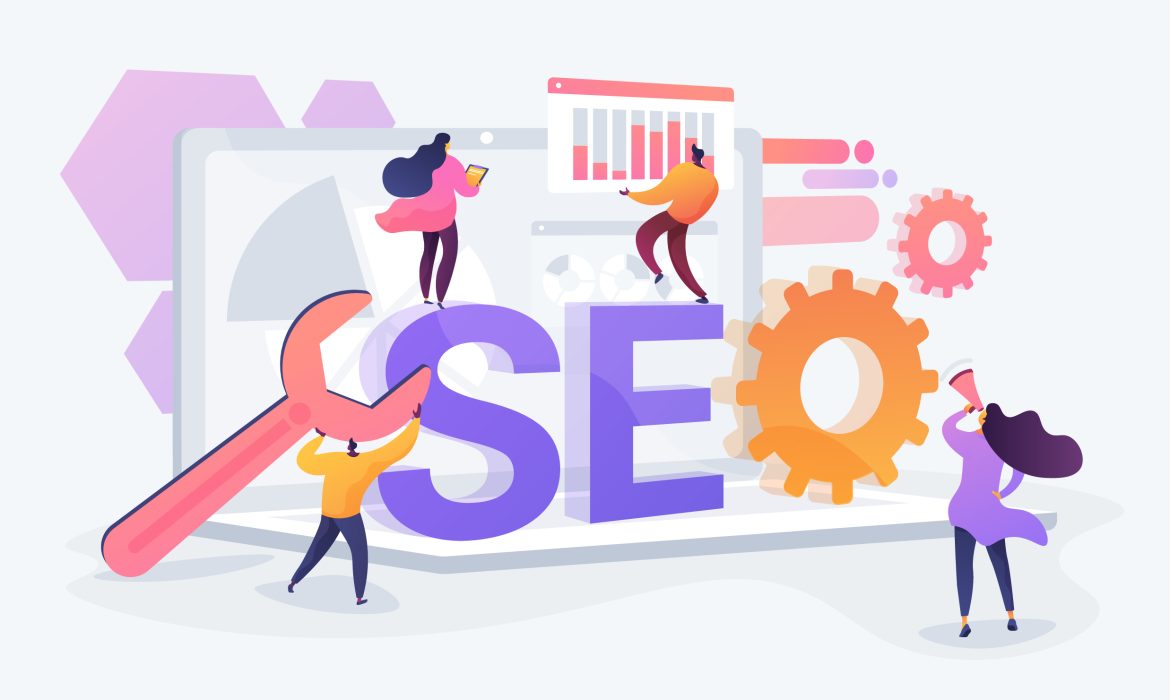
The Ultimate Cheat Sheet on SEO Marketing For 2024
SEO Marketing, or Search Engine Optimization Marketing, is a digital marketing strategy to improve a website’s visibility and ranking on various search engines discover top engine results pages (SERPs). By implementing various on-page and off-page search engine optimization techniques, SEO aims to drive organic traffic to a website by increasing its visibility on major search engines like Google.
This is achieved by focusing on relevant keywords, creating high-quality and relevant content, optimizing technical aspects of the website, and building authoritative backlinks. SEO marketing is essential for businesses as it helps them attract potential customers actively searching for products or services similar to what they offer.
By leveraging SEO strategies, businesses can increase their online visibility, improve their search engine rankings, and ultimately drive more targeted traffic to their website. SEO marketing involves optimizing a website’s content and structure to rank higher on search engines and attract relevant traffic, resulting in greater brand exposure and potentially higher conversions.
Benefits of SEO Marketing
SEO marketing, or search engine optimization marketing, is a powerful strategy businesses can use to increase website traffic and attract more customers. Businesses can improve their visibility on search engine results pages by optimizing their online content with targeted keywords. This means that when potential customers search for relevant terms or phrases, their website is more likely to appear in the organic search results.
One of the key benefits of SEO-marketing is its ability to improve a business’s reputation. When a website ranks high in search engine optimization rankings, it instills a sense of trust and credibility in potential customers. Search engines like Google are known for their complex algorithms prioritizing high-quality and relevant content. Businesses can build a solid online reputation by focusing on SEO strategies such as producing high-quality content and optimizing title tags.
Another significant benefit of SEO is its potential for a higher return on investment (ROI). Unlike traditional advertising methods, SEO allows businesses to reach potential customers at any stage of their customer journey. Whether someone is actively searching for a product or service or simply conducting research, SEO can ensure that businesses are visible and accessible. By targeting keywords specific to their industry and products, businesses can attract organic traffic that is more likely to convert into paying customers.
In conclusion, SEO offers numerous benefits for businesses. By increasing website traffic through targeted keywords, improving reputation, and providing a higher ROI, SEO can help businesses attract potential customers and grow their online presence.
What is SEO Marketing in 2024?
SEO marketing is optimizing a website or web page to rank higher in search engine results pages (SERPs). This can be done by improving the website’s content, structure, and technical SEO.
Here are some of the top SEO trends for 2024:
- Video content: Video content is becoming increasingly popular, and Google is starting to reward websites with high-quality video content.
- Voice search: Voice search is becoming more popular, so it’s important to optimize your website for voice search queries.
- Mobile-first indexing: Google is now indexing websites primarily for mobile devices, so it’s important to ensure your website is mobile-friendly.
- E-commerce SEO: E-commerce SEO is becoming increasingly important, as more people shop online.
- Local SEO: Local SEO is important for businesses that want to be found by people in their local area.
- AI-powered SEO: AI is being used increasingly in SEO, and this trend will only continue in 2024.
You should focus on these trends to improve your website’s SEO in 2024. It would be best if you also worked with an experienced SEO consultant to help you develop and implement a successful SEO strategy.

Optimizing Your Content for Search Engines
In today’s digital world, optimizing your content for search engines is crucial for ensuring that your website appears prominently in search engine results. This practice, known as search engine optimization (SEO), involves implementing various strategies to make your content more visible and attractive to search engines.
By understanding and using\, incorporating relevant keywords, creating high-quality and engaging content, and improving technical aspects such as page speed and mobile-friendliness, you can enhance your website’s chances of ranking higher in search engine results pages (SERPs). Optimizing your content for search engines is essential for driving organic traffic to your website, increasing visibility, and improving your online presence. Let’s explore some key strategies that can help you optimize your content for search engines.
Keyword Research & Targeting

Keyword research and targeting is a crucial aspect of SEO marketing. Conducting online searches involves identifying and selecting your target audience’s most relevant and popular keywords. By optimizing your website and content for these target keywords only, you can increase your organic search traffic and improve your search engine optimization SEO rankings.
Keyword research is not a one-time event but an ongoing task that should be done regularly. Search trends and user behavior change, and new keywords may emerge. Regularly conducting keyword research lets you stay updated with the latest search patterns and identify new opportunities.
To conduct keyword research, one of the initial steps is competitive analysis. Analyzing your competitors’ keywords can give you insights into what drives their organic traffic and how they rank. This information can help your keyword research tool identify relevant and popular keywords for your website.
Keyword research tools are essential for finding relevant and popular keywords. These tools provide valuable data such as search volumes, related keywords, and competition levels. Using these tools, you can discover keywords with a high search volume relevant to your target audience.
When conducting keyword research for search marketing, it is essential to consider the relevance of the keywords to your target audience, brand, and competition. Choosing keywords that align with your target audience’s search queries and interests ensures that Google ads for your content will attract exemplary visitors. Additionally, evaluating search marketing against your competition can help you identify less saturated keywords, giving you a better chance to rank higher in search engine results.
In conclusion, keyword research and targeting are crucial in SEO marketing. You can identify relevant and popular keywords to drive organic traffic to your website by conducting regular research, analyzing competitors, using search engine guidelines, and utilizing keyword research tools. Remember to choose keywords relevant to your target audience, brand, and competition for maximum effectiveness.
Creating Relevant Content

Creating relevant content is essential for any SEO marketing strategy. Regarding content creation, several factors contribute to its relevance and effectiveness.
Firstly, your content should provide comprehensive information. This means going beyond surface-level explanations and delving into the topic in depth. By offering in-depth content, you establish yourself as a reliable source of information and attract visitors looking for detailed answers to relevant queries.
Secondly, your content should approach the topic from a unique angle. This sets it apart from the competition and gives readers a reason to choose your content over others. You can engage and captivate your audience by presenting a fresh perspective or unique insights.
Another critical aspect of relevant content is adhering to E-A-T signals. E-A-T stands for Expertise, Authoritativeness, and Trustworthiness. Search engines prioritize content showcasing these signals, ensuring a high-quality user experience. Establishing yourself as an expert in your field and providing well-researched, trustworthy information is critical to gaining visibility in Google search results and engine rankings.
Lastly, readability is crucial. Ensure your content is easy to understand, with clear structure, headings, and concise language. Use bullet points, subheadings, and visuals to break up text and make it easier to skim.
Creating fresh, unique, relevant content attracts and retains visitors and signals to search engines that your website is valuable and authoritative. By prioritizing comprehensiveness, unique angles, E-A-T signals, and readability, you can create quality content that resonates with your target audience and boosts your SEO efforts.
Optimizing Title Tags & Meta Descriptions

Optimizing title tags and meta descriptions is crucial in SEO marketing. These elements of content marketing are vital in attracting potential customers and improving search engine rankings.
The title tag is displayed prominently on the search engine results page (SERP) of other search engines and serves as a concise and enticing headline for your web page. Including the primary keyword in the title tag is essential to signal relevance to search engines and potential users. A well-optimized title tag improves web pages’ search engine visibility and encourages clicks by providing a clear idea of what the page is about.
Similarly, the meta description summarizes the page’s content beneath the title tag in the SERP. Although meta-description tags are not a ranking factor, they significantly influence click-through rates. A compelling meta description naturally incorporates the principal and related keywords, enticing users to click and visit your website.
Incorporating relevant keywords in title tags and meta descriptions increases the website’s chances of appearing in relevant search engine land and searches and attracting organic traffic. Furthermore, optimizing these elements helps search engines understand what your page is about, enhancing your visibility in search engine rankings.
In conclusion, optimizing title tags and using meta tags and descriptions is a crucial aspect of SEO marketing. By strategically incorporating keywords and creating enticing summaries, you can improve your website’s visibility, attract organic traffic, and effectively reach your target audience.
Improving User Experience with Internal Links

Internal linking plays a crucial role in improving both SEO and user experience. These links connect different pages within your website, allowing users to navigate smoothly and access relevant content. From an SEO perspective, your internal link structure and links help search engines understand the hierarchy and structure of your website, making it easier for them to crawl and index your pages.
By strategically placing links, you can guide search engine bots to prioritize important pages and distribute link authority throughout other pages on your site. This improves your website’s visibility in search engine rankings and helps create a comprehensive cluster of articles covering a specific topic.
From a user experience standpoint, internal links make it simple for visitors to explore more content on your website. By including 2-4 links in every blog post, you can create a web of topics within the same niche. This further link building allows users to delve deeper into relevant information and provides a seamless navigation experience for Google users.
You can enhance your website’s SEO and user experience by leveraging internal linking. So, remember to incorporate internal links strategically to improve search engine visibility, create comprehensive content clusters, and offer a seamless navigation experience for your users.
Technical Optimizations

Technical optimizations are crucial in SEO marketing, improving a website’s performance and enhancing its visibility in search engine rankings. One key element is the URL structure, which should be concise and descriptive, incorporating relevant keywords to indicate the page’s content. This helps search engines understand the context and relevance of the page.
Navigation is another important aspect of technical optimizations. A well-structured navigation system allows both search engines to work their engine bots to easily crawl and index the website’s pages, ensuring that all relevant content is discovered and ranked appropriately. Internal linking further aids this process by connecting related web pages and distributing link authority throughout the whole site structure. This strengthens the site’s authority and helps search engines identify essential pages.
Page loading speed is crucial for user experience and SEO. Slow-loading pages can increase bounce rates, leading to a negative impact on search rankings. Optimal page loading speed is achieved through various technical optimizations, such as minimizing file sizes, leveraging browser caching, and optimizing server response times.
In today’s mobile-centric world, mobile-friendliness is essential. Mobile users now constitute a significant portion of online searches, and search engines prioritize mobile-friendly websites in their rankings. Therefore, websites must ensure their design and functionality are optimized for mobile devices.
Finally, structured data provides additional information to search engines to analyze and engine bots, helping them better understand and display relevant information from the website in search results. This can improve visibility and click-through rates.
Overall, implementing technical optimizations, including URL structure, navigation, internal linking, page loading speed, mobile-friendliness, and structured data, improved search engine indexing, enhanced user experience, and increased organic search results and rankings visibility.
Off-Page SEO Strategies

Off-page SEO strategies refer to the actions taken outside of a website to improve its search engine rankings. While on-page SEO focuses on optimizing the content and structure of a website, off-page SEO is about building external authority and credibility.
One of the critical off-page SEO strategies is link building, which involves acquiring high-quality backlinks from other websites. These backlinks act as ‘votes of confidence’ from other websites, signaling to search engines that the website is reputable and trustworthy.
Another off-page strategy is, which involves leveraging social media platforms to promote the website’s content and engage with users. By building a solid social media presence and sharing valuable content, businesses can attract more traffic and generate brand awareness.
Additionally, contributing guest posts or articles to authoritative websites in the industry can also improve off-page SEO. This helps to increase brand visibility, establishes the website as a thought leader for relevant results, and builds backlinks to the blog post and other pages on the site. Overall, off-page SEO strategies are crucial for increasing the visibility and credibility of a website in the eyes of search engines and potential customers.
Building Quality Backlinks

Building quality backlinks is crucial for improving search engine rankings. Backlinks are links to your website from other websites, and search engines view them as votes of confidence. When reputable websites link to your site, it signals to other search engines, that your content is valuable and trustworthy.
Several factors determine the quality of a backlink. Firstly, the popularity and relevance of the linking site play a significant role. Getting backlinks from authoritative sites with high domain authority carries more weight. Additionally, if the linking site is related to your industry or niche, it adds relevance to your backlink profile.
Another critical factor is trust in website owners of the domain. Backlinks from trusted sites like government or educational institutions can significantly impact your search engine rankings.
On the other hand, low-quality or spammy backlinks can hurt your rankings. Search engines consider the credibility of the linking site, and if it’s associated with spam or low-quality content, your website’s ranking may suffer.
Building quality backlinks is an ongoing process that requires a strategic approach. By focusing on securing backlinks from popular, relevant, and trusted websites, you can improve your search engine rankings and drive more organic traffic.
Utilizing Social Media Platforms

Utilizing Social Media Platforms to Enhance SEO Efforts
Social media platforms enhance SEO efforts in today’s digital landscape. By leveraging the power of social media, businesses can drive engagement and generate better search engine rankings. Here’s how you can effectively utilize social media marketing to boost your technical SEO:
-
- Facebook: With billions of active users, Facebook offers immense potential for reaching a broad audience. By sharing high-quality and engaging content, you can drive traffic to your website and increase your organic search visibility.
- Twitter: Twitter’s real-time nature makes it an excellent platform for promoting your content and engaging with your audience. You can improve your search engine rankings by using relevant hashtags and incorporating keywords in your tweets.
- Instagram: Known for its visual appeal, Instagram is perfect for showcasing your products or services. By optimizing your profile and using relevant hashtags, you can attract a relevant audience, enhance brand visibility, and indirectly impact your technical SEO.
- LinkedIn: LinkedIn is a professional networking platform that allows you to share industry insights, company news, and thought leadership content. By growing your connections and engaging with relevant professionals, you can increase your online visibility and establish your authority, thus positively impacting your technical SEO.
- Pinterest: If your business relies heavily on visual content, Pinterest is a platform you shouldn’t ignore. Creating eye-catching pins with optimized descriptions and linking them to your website can drive relevant traffic and boost your SEO efforts.
By strategically utilizing these social media platforms, businesses can take advantage of their massive user bases, driving engagement and indirectly influencing search engine rankings. Incorporating social media into your strategy is essential for staying relevant and gaining a competitive edge in today’s digital landscape.
Leveraging Local SEO Strategies

Leveraging local SEO strategies is crucial for businesses looking to reach a local audience and improve visibility in local search engine optimization marketing results. With most consumers using search engines to find local businesses, optimizing your online presence to attract potential customers in your area is essential.
One essential practice in local technical SEO is claiming directory listings on platforms such as Google My Business, Yelp, and Bing Places. You enhance your site security chances of appearing in local search results by providing accurate and up-to-date information about your business, including your address, phone number, business hours, and website.
Creating location-specific pages on your website is another effective local SEO strategy. By tailoring your content to target keywords in specific cities or regions, you signal to search engines that your business is relevant to local search queries. This can significantly improve your visibility and attract more local customers.
Utilizing platforms like Google, My Business offers additional benefits for your local business listings and SEO. You can boost your online presence and credibility in local and search engine optimization marketing results by managing your local business profile, posting updates, and collecting reviews.
Overall, leveraging local SEO strategies helps growing businesses increase their visibility in Google search, and attract targeted website traffic. By optimizing your online presence for local searches, you can effectively reach your desired local audience and drive more customers to your doorstep.
Measuring Your Results and Making Adjustments

Once you have implemented your SEO strategies, it is essential to measure the impact of your efforts and make any necessary adjustments. One of the most effective ways to measure your SEO results is through tracking metrics such as website traffic, keyword rankings, and conversion rates.
By monitoring these metrics regularly, you can gain insights into your SEO campaigns’ effectiveness and identify improvement areas. Additionally, tools such as Google Analytics provide valuable data on user behavior, bounce rates, and other metrics that can help you gauge the success of your SEO efforts.
Based on these insights, you can make data-driven decisions and refine your strategies to optimize your website’s performance in search engine rankings.
Remember that SEO is an ongoing process, and it is crucial to regularly evaluate and adjust your tactics to stay ahead of the competition and continue attracting relevant organic traffic to your website.
Setting Goals and Tracking Progress with Google Analytics

Setting goals and tracking progress are critical components of successful SEO marketing. Google Analytics is a powerful tool that measures and analyzes your SEO efforts’ effectiveness.
When setting goals for SEO, it is essential to ensure they align with overall business objectives. This helps to encourage buy-in from key stakeholders and ensures that the SEO strategy aligns with the company’s overall goals.
Google Analytics provides valuable insights into the performance of your website and helps you track progress toward your SEO objectives. By monitoring metrics such as organic traffic, keyword rankings, and conversion rates, you can determine the effectiveness of your SEO strategy and make adjustments as needed.
In addition to these metrics, measuring market share, brand awareness, lead generation, and reputation is essential. These factors contribute to the overall success of your SEO efforts and can help identify areas for improvement.
By regularly reviewing and analyzing data from Google Analytics, you can track progress and make data-driven decisions to optimize your SEO strategy. This allows you to continuously improve your website’s visibility and drive more targeted organic traffic.
Analyzing Search Engine Rankings and Visibility

Analyzing search engine rankings and visibility is integral to any SEO strategy; businesses can improve their online presence and attract potential customers by understanding how SEO factors such as on-page optimization and increased visibility influence search engines.
Search engine rankings determine a website’s position on search engine result pages (SERPs). Ranking high on SERPs is crucial because it increases visibility and drives organic traffic to a website. When a website appears on the first page of search results, it is more likely to be clicked on by users, leading to increased website visits and potential customers.
On-page optimization plays a crucial role in improving search engine rankings and visibility. This involves optimizing elements such as title tags, meta descriptions, and relevant keywords within the content. By aligning website content with user search queries and search engine algorithms, businesses can increase their chances of appearing higher on SERPs.
In addition to on-page optimization, other SEO factors like off-page SEO, user experience, and technical optimizations contribute to search engine rankings and visibility. This includes backlinks, internal and external links, mobile usability, and fast page loading speed.
Analyzing search engine rankings and visibility allows businesses to identify areas for improvement in their SEO strategy. By monitoring their position on SERPs and tracking organic search traffic, businesses can make data-driven decisions to optimize their website and attract more potential customers.
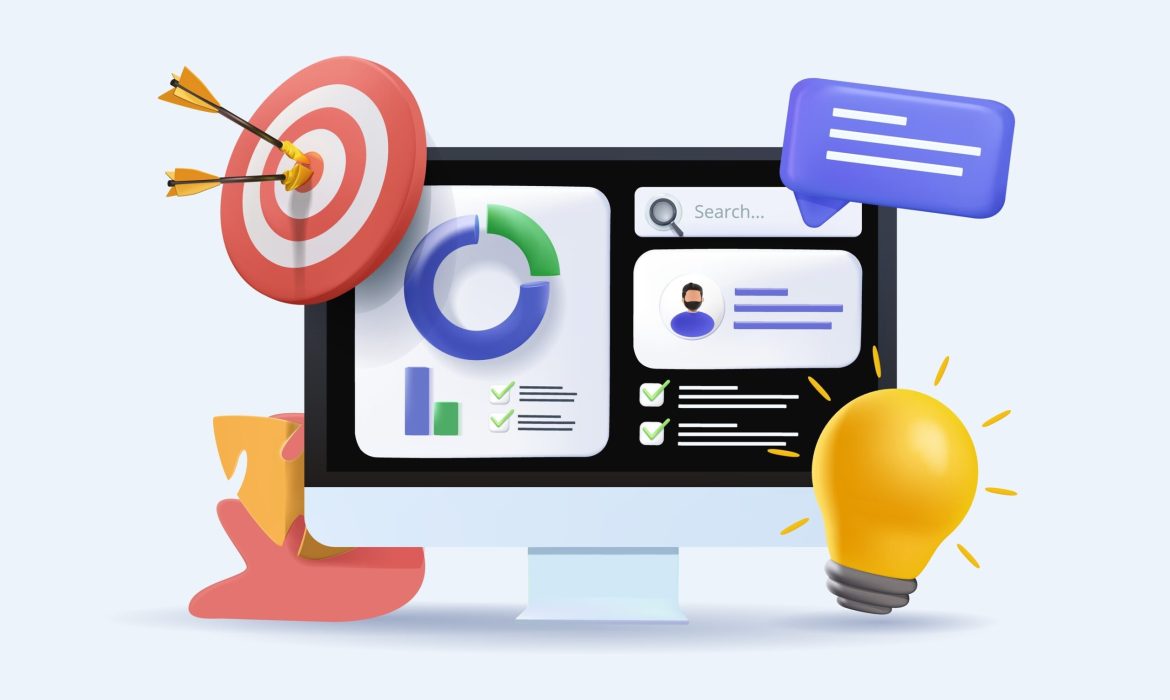
What the Heck Is What Is Digital Marketing in 2023?
Digital marketing uses digital technologies and online platforms to promote products or services and engage with potential customers.
When a digital marketer involves various strategies and tactics to reach and attract a target audience through digital channels such as search engines, social media platforms, email marketing campaigns, using mobile devices, apps, and other digital devices.
Digital marketing leverages the broad reach and usage of the internet to connect with prospective customers, deliver valuable content, and drive desired actions. This form of strategic digital marketing encompasses various techniques, including search engine optimization (SEO), social media marketing, content marketing, email marketing, influencer marketing, video marketing, and more.
By utilizing digital technologies and traditional marketing methods, businesses can effectively reach their ideal customers and achieve their marketing goals in today’s increasingly online and interconnected world.
Benefits of Digital Marketing
Digital marketing offers numerous benefits to businesses, helping them gain a competitive edge in today’s digital landscape. One of the key advantages is the ability to understand and connect with customers on a deeper level, delivering tailored experiences across every various digital channel used.
Digital marketing allows businesses to expand their audience and reach their target customers where they spend most of their time – online. Businesses can effectively reach their ideal customers by leveraging various other digital advertising channels, such as social media platforms, search engines, and mobile apps. Moreover, digital marketing is often more affordable than more traditional advertising and marketing methods, making it accessible to businesses of all sizes.
With digital marketing, businesses can measure the success of their campaigns and strategies through metrics and analytics. This provides marketing teams credibility and helps businesses gain valuable insights into their audience’s pain points and preferences. This data-driven approach enables businesses to refine digital marketing efforts and deliver more personalized experiences.
In summary, the benefits of digital and marketing automation are vast. From tailoring experiences to expanding the audience, digital and marketing automation coordinator empowers businesses to connect with their customers on a deeper level. It allows businesses to meet their target customers where they spend their time online and achieve this at a more affordable price than traditional marketing automation methods. The ability to measure and analyze data provides valuable insights that help businesses refine their strategies and deliver more personalized experiences.

Types of Digital Marketing Strategies
Types of Digital Marketing Strategies:
Regarding digital marketing strategies, businesses have a wide range of options. One popular digital marketing strategy is social media marketing, where businesses use social platforms to connect with their audience and promote their products or services.
Another strategy is search engine optimization (SEO), which helps businesses improve their website’s visibility on search engines and drive organic traffic. Search engine marketing (SEM) involves running paid ads on search engines to increase visibility and drive targeted traffic.
Email marketing campaigns allow businesses to reach their audience directly through personalized emails.
Content marketing focuses on creating valuable content that engages and educates the audience, while video marketing involves using video content to promote products or services.
Influencer marketing leverages famous figures in the industry to promote products or services to their followers.
Mobile marketing targets users on their mobile devices through mobile apps and advertisements. Native advertising integrates promotional content seamlessly within the user’s online experience.
These are just a few examples of the many digital marketing strategies businesses can choose from and tailor to their specific goals and target audience.
Search Engine Optimization (SEO)

Search Engine Optimization (SEO) is a crucial component of digital marketing that aims to improve a website’s visibility and ranking in search engine results pages (SERPs). In today’s highly competitive online landscape, SEO drives organic traffic and attracts potential customers.
SEO helps businesses rank higher in search engine results by optimizing various aspects of their website. One of the critical elements of SEO is optimizing website content to ensure it is relevant, informative, and valuable to users. This involves incorporating targeted keywords into the content that aligns with users’ searches.
Another important aspect of SEO is optimizing the website’s link structure. This involves creating a logical and user-friendly navigation system that allows search engine crawlers to quickly discover and index all the relevant pages on the site. Internal and external linking strategies are also implemented to improve the website’s authority and credibility.
Proper keyword deployment is also crucial in SEO. This involves conducting extensive keyword research to identify the terms and phrases that are most relevant to a business’s target audience. By strategically incorporating these keywords into the website’s content, meta tags, headers, and URLs, businesses can increase their chances of ranking higher in search engine results.
In summary, SEO plays a vital role in the success of digital marketing efforts. By using search engine marketing and optimizing website content, link structure, and keyword targeting, businesses can improve their visibility in search engine results and attract organic traffic from their target audience.
Social Media Marketing (SMM)

Social Media Marketing (SMM) is a crucial component of digital marketing strategies that promotes brands and businesses through various social media platforms. It involves creating and sharing engaging content, targeting specific audiences, and fostering meaningful relationships with potential customers.
Numerous social media platforms are commonly used for SMM, each with unique features and target audiences. For example, Facebook is a versatile platform that caters to a wide range of demographics, making it suitable for businesses with diverse target audiences.
On the other hand, Instagram is popular among a younger audience and is known for its visual content, making it ideal for fashion, travel, and lifestyle businesses.
With its professional networking focus, LinkedIn is more suitable for B2B marketing and targeting professionals.
Creating engaging content tailored for social media is crucial for the success of SMM. Visual content, such as images and videos, captures users’ attention and generates higher engagement rates. Additionally, storytelling techniques and incorporating interactive elements like quizzes or polls can enhance user interaction.
By creating valuable and shareable content, businesses can increase brand awareness, drive website traffic, and convert potential customers into loyal brand advocates.
In conclusion, social media marketing is vital in digital marketing strategies. It allows businesses to connect with their target audience, build brand awareness, and foster engagement through tailored content on various other social media channels and platforms.
By leveraging the power of these social media channels, businesses can effectively reach their target audience and achieve their marketing objectives.
Pay-Per-Click Advertising (PPC)

Pay-per-click advertising (PPC) is a popular digital marketing method where businesses pay for ad placement and are charged each time a customer clicks on their ad. This paid advertising strategy allows businesses to reach their target audience directly and only pay for actual customer engagement.
Two of the most popular platforms for PPC advertising are Google Ads and Facebook Ads. With Google Ads, businesses can create search engine ads when users search for relevant keywords.
This allows companies to target customers actively searching for their products or services. Facebook Ads, on the other hand, provides businesses with the ability to create targeted ads based on demographics, interests, and locations. Allowing digital marketers to reach a specific audience and increase the effectiveness of their advertising campaigns.
PPC advertising can take various forms, including banner ads, social media ads, and search engine ads. Banner ads are displayed on websites and often include enticing visuals and compelling messaging.
Social media ads appear on platforms like Facebook, Instagram, and Twitter, allowing businesses to reach their target audience while engaging with social media content.
Search engine ads appear at the top or bottom of search engine results pages, making them highly visible to users actively searching for specific products or services.
Pay-per-click advertising is an effective digital marketing method that allows businesses to target their audience directly and only pay for actual customer engagement.
Platforms like Google Ads and Facebook Ads provide businesses with the tools to create and optimize digital ads, to reach their goals and drive conversions.
Content Marketing

Content marketing strategy is a powerful strategy focusing on creating and distributing valuable content to attract and engage a target audience. Promoting a brand’s content and establishing its credibility and authority in the industry is crucial.
Various types of content can be utilized in content and marketing efforts. This includes informative and engaging email copy, well-crafted landing and web pages, that drive conversions, visually appealing infographics that present data and information in a digestible format, comprehensive ebooks that showcase expertise, and compelling videos that captivate and entertain viewers.
One key factor in successful content marketing is maintaining a consistent voice and message across all content. This helps to reinforce the brand’s identity and build trust with the audience.
Whether through posts, social media updates, or any other form of content, maintaining a consistent tone and delivering a unified message helps establish familiarity and strengthen the brand’s positioning.
By leveraging content marketing, businesses can effectively engage with their target audience, demonstrate their expertise, and ultimately drive conversions.
It allows brands to provide valuable information and resources to their audience, positioning themselves as trusted sources and building lasting customer relationships.
Affiliate Marketing

Affiliate Marketing is a prominent type of digital marketing where companies collaborate with third-party websites or individuals, known as affiliates, to promote their products and services. This internet marketing and strategy is called online marketing, often implemented through referral links provided by the company to its affiliates.
Affiliates are incentivized based on specific metrics such as registrations, email sign-ups, sales, or subscriptions generated through the referral links. This compensation model motivates affiliates to actively promote the company’s offerings to their audience to earn commissions or rewards.
What makes affiliate marketing attractive to companies is its ability to tap into the existing customer bases of affiliates. By partnering with established websites, influencers, or content creators, companies can reach a wider audience and potentially increase their sales and brand awareness.
From the affiliate’s perspective, participating in affiliate marketing provides an opportunity to monetize their online presence or website traffic. Aff affiliates can earn passive income through commissions or other rewards by promoting products or services relevant to their audience.
Affiliate marketing is a symbiotic relationship between companies and affiliates that benefits both parties. It allows companies to expand their reach and increase sales, while affiliates can earn income by promoting products they genuinely believe in. Using referral links ensures transparency and accountability in tracking the success of marketing efforts.
Email Marketing

Email marketing is a crucial component of any digital inbound marketing strategy. It involves sending targeted and personalized emails to a company’s customer base or potential customers. There are several key benefits of email marketing as a top inbound marketing strategy.
Firstly, email is digital marketing channel that allows businesses to collect valuable customer data. By obtaining permission from customers, businesses can add them to their email lists and gather information such as names, contact details, and preferences. This data enables companies to segment their email lists and create customized campaigns that resonate with specific target audiences.
Additionally, email marketing provides an opportunity to deliver personalized content and offers. Businesses can tailor their emails to suit individual preferences, interests, and purchasing behaviors by analyzing customer data. This level of personalization enhances the customer experience and boosts engagement and conversions.
However, finding the right balance in terms of email frequency is crucial. Sending too many emails can result in “email fatigue” and potential unsubscribes, while sending too few may lead to decreased brand awareness. It is essential to strike a balance by sending relevant and valuable content at a frequency that maintains customer interest and engagement.
Email marketing is an effective strategy for businesses to connect with their target audience. By collecting customer data, delivering personalized content, and finding the optimal email frequency, companies can maximize the benefits of email marketing and drive successful digital marketing campaigns.
Native Advertising

Native advertising is sponsored content paid advertising that seamlessly blends with the surrounding content on various digital platforms. It is designed to match the look and feel of organic content, making it less intrusive and more engaging for users.
One of the key features of native ads is that they include cues such as “sponsored” or “promoted” to indicate their paid nature. This ensures transparency for the audience and prevents any confusion between organic and sponsored content.
Examples of native advertising can be found in various formats. In social media platforms, native ads appear as in-feed ads seamlessly integrating with the user’s social feed. These ads mimic the style and format of regular social media posts, making them appear more natural and less like traditional advertisements.
Search engine results pages also feature native ads in the form of promoted search results. These paid ads appear alongside organic search results and are often marked as “sponsored” to distinguish them from regular search listings.
Content recommendations on websites and blogs are another common form of native advertising. These recommended articles or posts are carefully selected to match the user’s interests and seamlessly blend with the surrounding content.
Overall, native advertising allows marketers to reach their target audience non-disruptively. By creating content that fits seamlessly within the platform, native ads have the potential to capture the attention of users without sacrificing the user experience.
Influencer Marketing

Influencer marketing is a powerful, digital marketing tactic and strategy brands use to promote their products or services through popular content creators, often called influencers. These influencers have gained a significant following and strongly impact their audience’s purchasing decisions.
One of the main reasons influencer marketing is so effective is because it leverages these influencers’ trust and captive audience. Their followers view them as authentic and genuine, which creates a sense of credibility and trust for the brand. This trust translates into increased brand awareness, customer engagement, and conversions.
Influencer marketing is not limited to just B2C companies. B2B companies can also benefit from this strategy by partnering with influencers who specialize in their industry. By collaborating with industry-relevant influencers, B2B brands can expand their reach and tap into a targeted audience more likely to be interested in their products or services.
There are a few key factors to remember when considering influencer marketing partnerships. Firstly, it is crucial to identify influencers who align with the brand’s values and target audience. Working with influencers genuinely interested in the brand will ensure authenticity in the partnership. Secondly, establishing clear compensation agreements and deliverables is essential for a successful collaboration. This ensures that both parties are on the same page and expectations are met.
In conclusion, influencer marketing is a powerful marketing strategy that allows brands to tap into popular content creators’ trust and captive audience. Whether for B2C or B2B companies, influencer power digital marketing campaigns can be an effective way digital marketers to increase brand visibility, engagement, and conversions. By partnering with industry-relevant influencers and establishing clear compensation agreements, brands can maximize the potential of influencer marketing campaigns.
Video & Mobile Marketing

Video marketing and mobile marketing are two essential components of digital marketing strategies. With the increasing consumption of video content and the rise of mobile devices, the benefits of digital marketing are important and businesses can leverage these strategies to enhance brand awareness, increase digital traffic, and improve conversion rates.
Video marketing has become a powerful tool for building brand awareness. Videos engage and capture the attention of viewers more effectively than text-based content. By creating compelling and informative videos, businesses can effectively communicate their brand message and values, making a lasting impression on their target audience.
Moreover, video marketing can drive digital traffic to websites and social media platforms. Platforms like YouTube, Facebook Videos, Instagram, and TikTok offer opportunities multiple channels for businesses to showcase their products or services through engaging video content. By optimizing videos with relevant keywords and descriptions, businesses can increase their visibility and attract more users to their online platforms.
In addition to brand awareness and increased traffic, video marketing can also improve conversion rates. Studies show that incorporating videos on landing pages, product pages, or email campaigns can significantly increase conversion rates. Videos allow businesses to showcase their products, demonstrate their unique selling propositions, and provide valuable information that helps potential customers make informed decisions.
On the other hand, mobile marketing enables businesses to reach their target audience directly through their mobile devices. With the increasing use of smartphones, text messages, social media platforms, websites, and mobile applications have become valuable channels for delivering targeted marketing messages to Internet users. Mobile marketing takes advantage of internet users” ‘ time on their phones, providing opportunities for businesses to engage with their customers more personally and immediately.
In conclusion, incorporating video and mobile marketing into digital marketing strategies is essential for businesses to stay relevant and effectively engage their target audience. Businesses can build brand awareness, drive digital traffic, and improve conversion rates inbound marketing by utilizing platforms like YouTube, Facebook Videos, Instagram, and TikTok.
Additionally, mobile marketing leverages the widespread usage of smartphones, enabling businesses to connect with their target audience through various traditional and digital marketing channels once again. By adopting these strategies, businesses can enhance their online presence and achieve their marketing objectives.
Steps to Develop a Successful Digital Strategy

Developing a successful digital strategy requires careful planning and implementation. Businesses must follow a series of steps to achieve their digital marketing planning, goals and objectives.
Each step plays a crucial role in the overall digital strategy in itself, from identifying the target audience and setting clear objectives to selecting the proper digital channels and analyzing results.
By creating a well-defined digital marketing plan, businesses can effectively reach their target audience, increase brand awareness, and drive conversions. Through the strategic use of various digital marketing tactics such as search engine optimization (SEO), social media marketing, email marketing, and content marketing, businesses can optimize their online presence and connect with their customers meaningfully.
Developing a successful digital strategy is a continuous process that requires constant evaluation and adjustment based on the ever-changing digital landscape.
Identify Your Target Audience and Potential Customers
In any digital marketing campaign, from business to business, one of the critical aspects of success is identifying your target audience and potential customers. Understanding your audience and what they want is crucial for creating effective digital marketing strategies.
When identifying your target audience, it’s essential to consider their demographics, such as age, gender, location, and income level. Additionally, it would be best to dive deeper into their online behaviors and digital channel preferences. Which social and traditional media platforms do they use? How do they search for information? What type of content do they engage with?
This detailed understanding of your target audience allows you to create buyer personas. Buyer personas are fictional representations of your ideal customers based on the research you have done. They help you put a face and personality to the people you want to attract.
Buyer personas involve narrowing down your research to create a profile representing your potential customers’ most common characteristics and preferences. By doing so, you can tailor your digital marketing efforts to solve their unique problems and meet their specific needs.
In conclusion, identifying your target audience and potential customers in digital marketing is crucial for the success of your online marketing campaigns. By understanding their demographics and online behaviors and creating buyer personas, you can effectively reach and engage with your ideal customers.
Research Your Competitors’ Digital Strategies and Tactics

Researching competitors’ various digital advertising strategies and tactics is crucial when developing an effective digital marketing strategy. By analyzing their approaches, businesses can gain valuable insights into industry trends, potential opportunities, and areas for improvement.
Studying competitors’ digital marketing channels and strategies clearly explains what works and what doesn’t in the digital marketing landscape. This knowledge helps businesses stay ahead of the curve and adapt their digital marketing tactics accordingly. Businesses can emulate successful strategies to improve their online marketing efforts by identifying successful strategies.
Analyzing competitors’ digital approaches allows businesses to identify industry trends. By understanding what strategies are currently popular and effective, businesses can tailor their tactics to align with these trends. This enhances their chances of attracting and engaging their target audience.
Researching competitors also helps identify potential opportunities. By examining what competitors are doing well, businesses can pinpoint areas that have been overlooked or neglected. This can lead to development of unique value propositions that differentiate the business from competitors.
Additionally, studying competitors’ other businesses define digital marketing strategies helps identify areas for improvement. By identifying competitors’ weaknesses, businesses can learn from their mistakes and avoid making similar ones. This allows for more successful digital marketing campaigns and better customer experiences.
Key factors to consider when researching competitors include their digital channels, target audience, content marketing techniques, and social media presence. Understanding which digital channels competitors utilize and how they engage with their target audience provides valuable insights into effective communication strategies.
Analyzing competitors’ content marketing techniques helps identify successful content formats and delivery methods. Finally, studying their social media presence sheds light on engagement strategies, influencer collaborations, and overall brand image.
In conclusion, researching competitors’ own digital marketing strategies and tactics is critical in developing an effective digital marketing strategy. It lets businesses stay informed about industry trends, identify opportunities, and improve their free digital strategies, marketing channels, and efforts.
Businesses can gain a competitive edge in the digital landscape by considering digital channels, target audiences, content marketing techniques, and social media presence.